
Last updated November 14, 2026
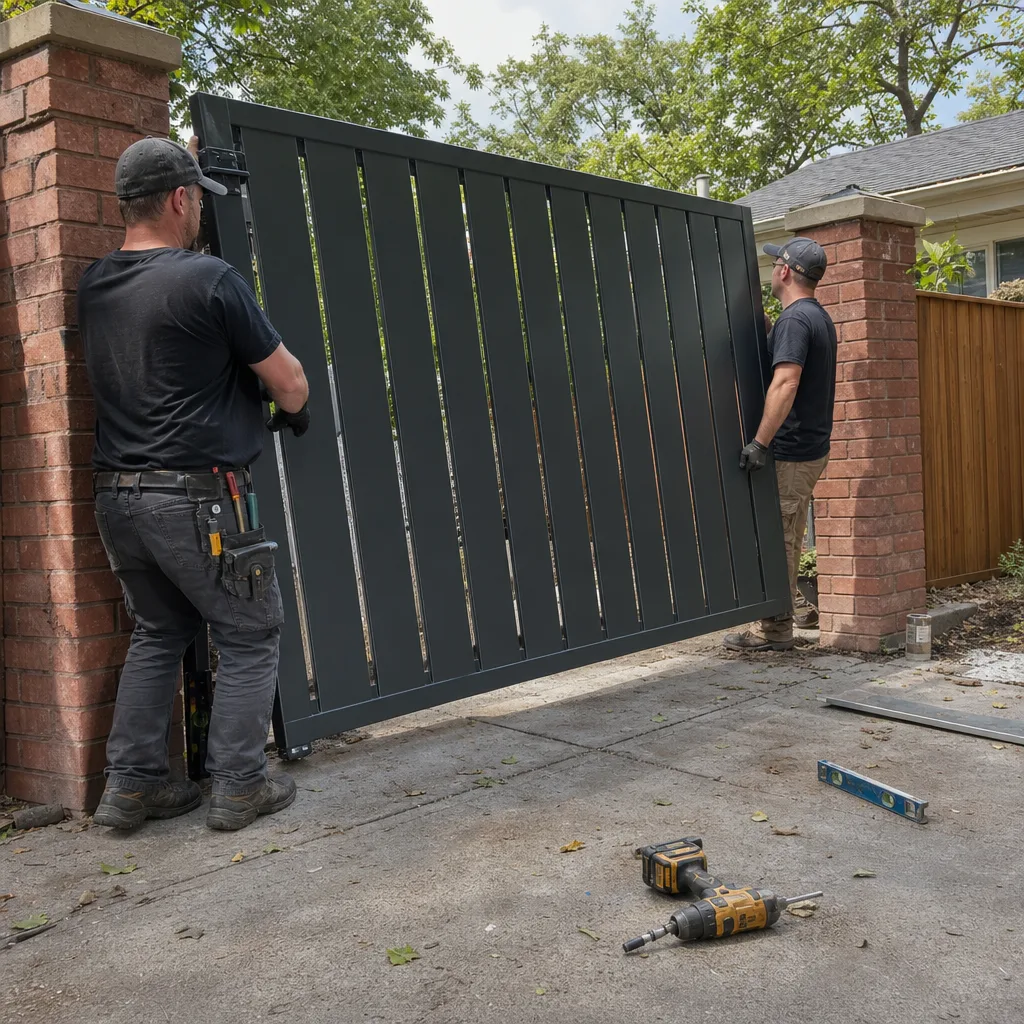
 Wrought iron
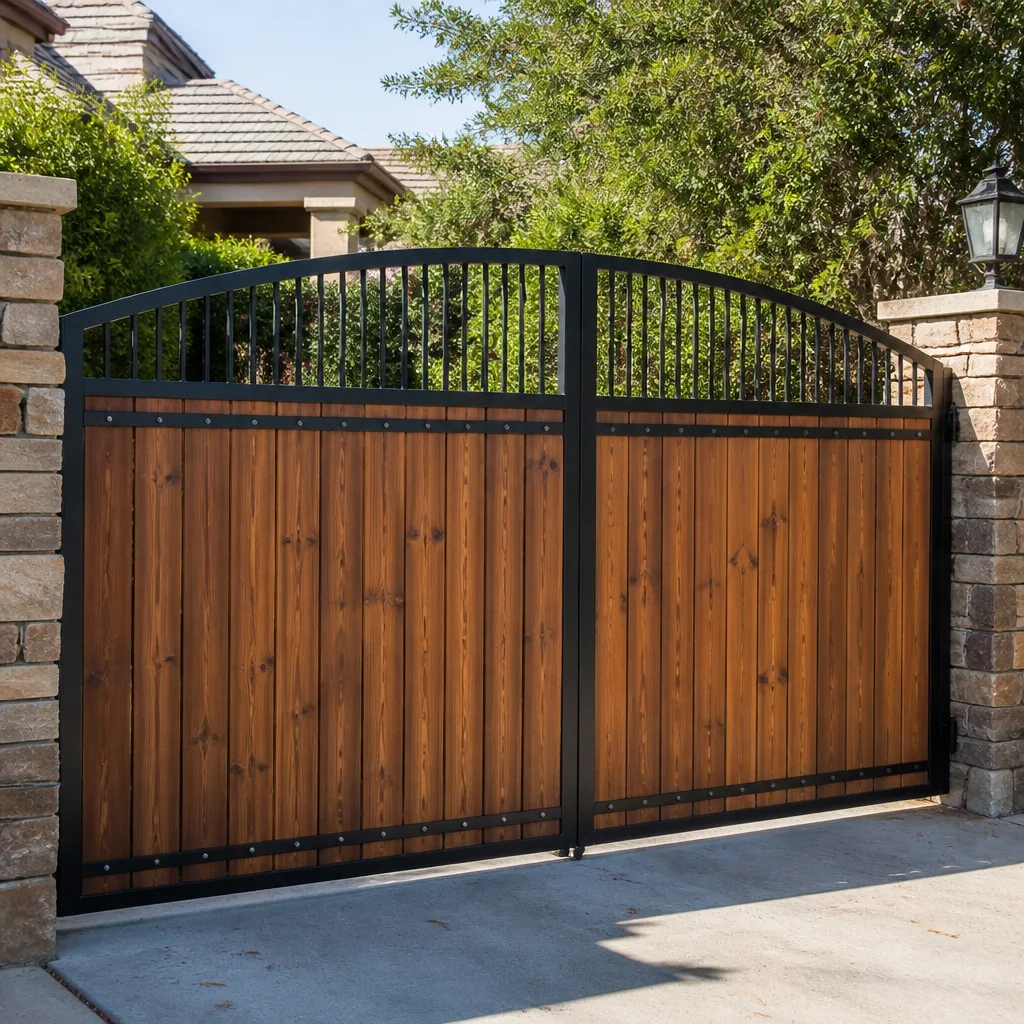 Wood & steel frame
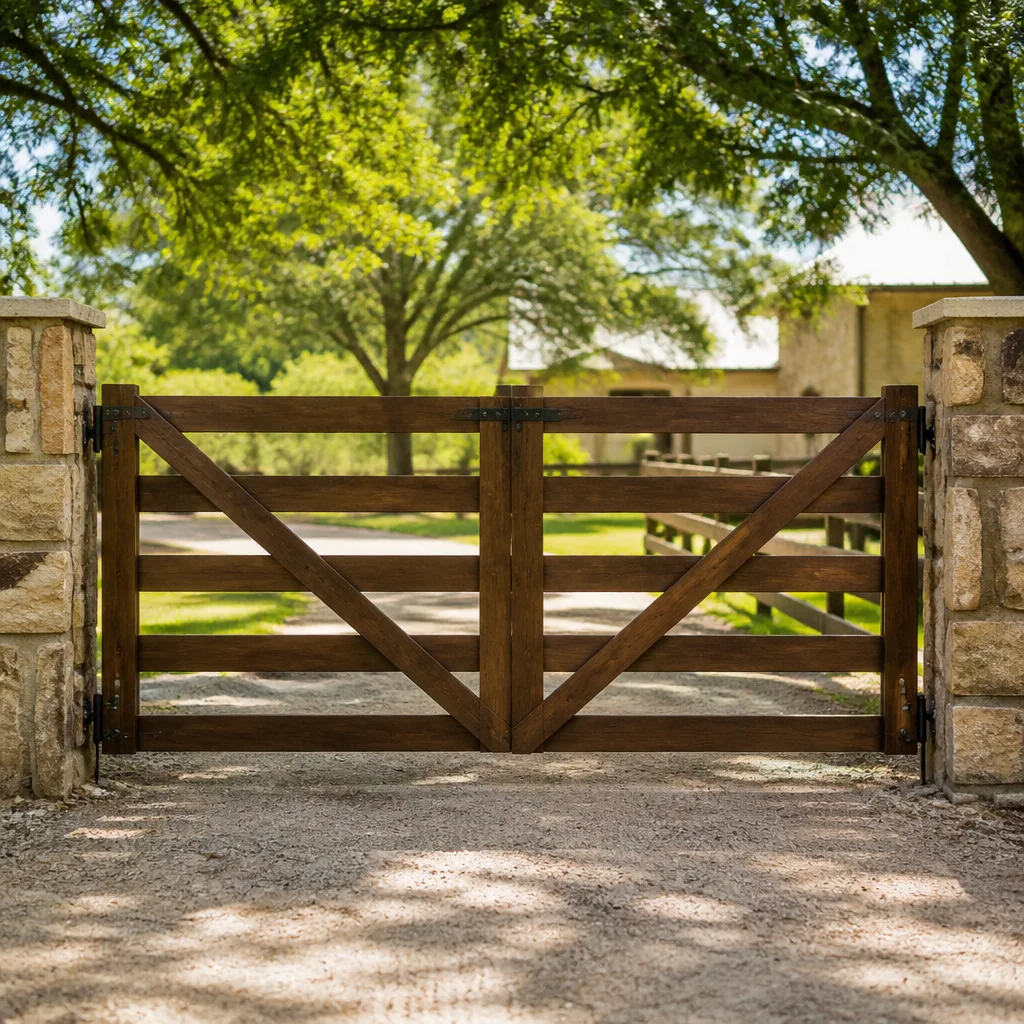 Farm & ranch
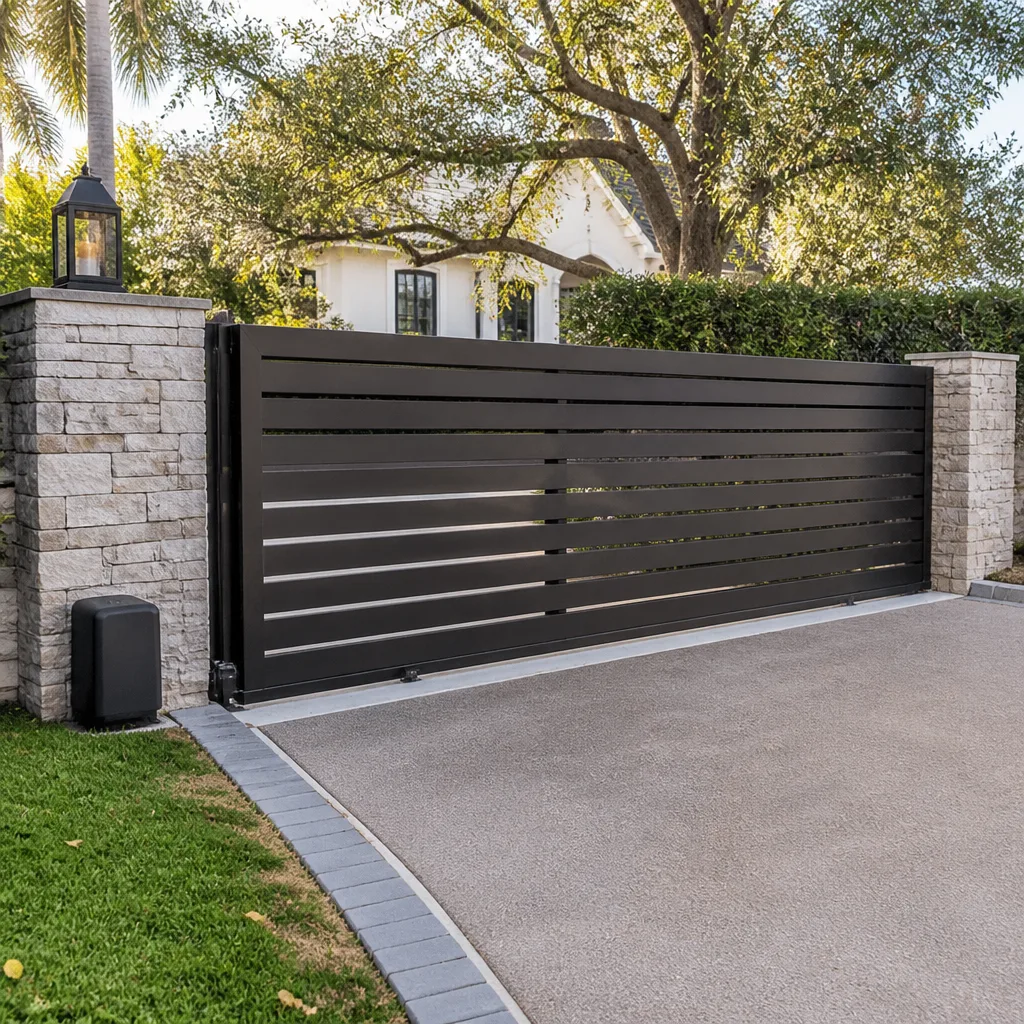 Sliding driveway gates
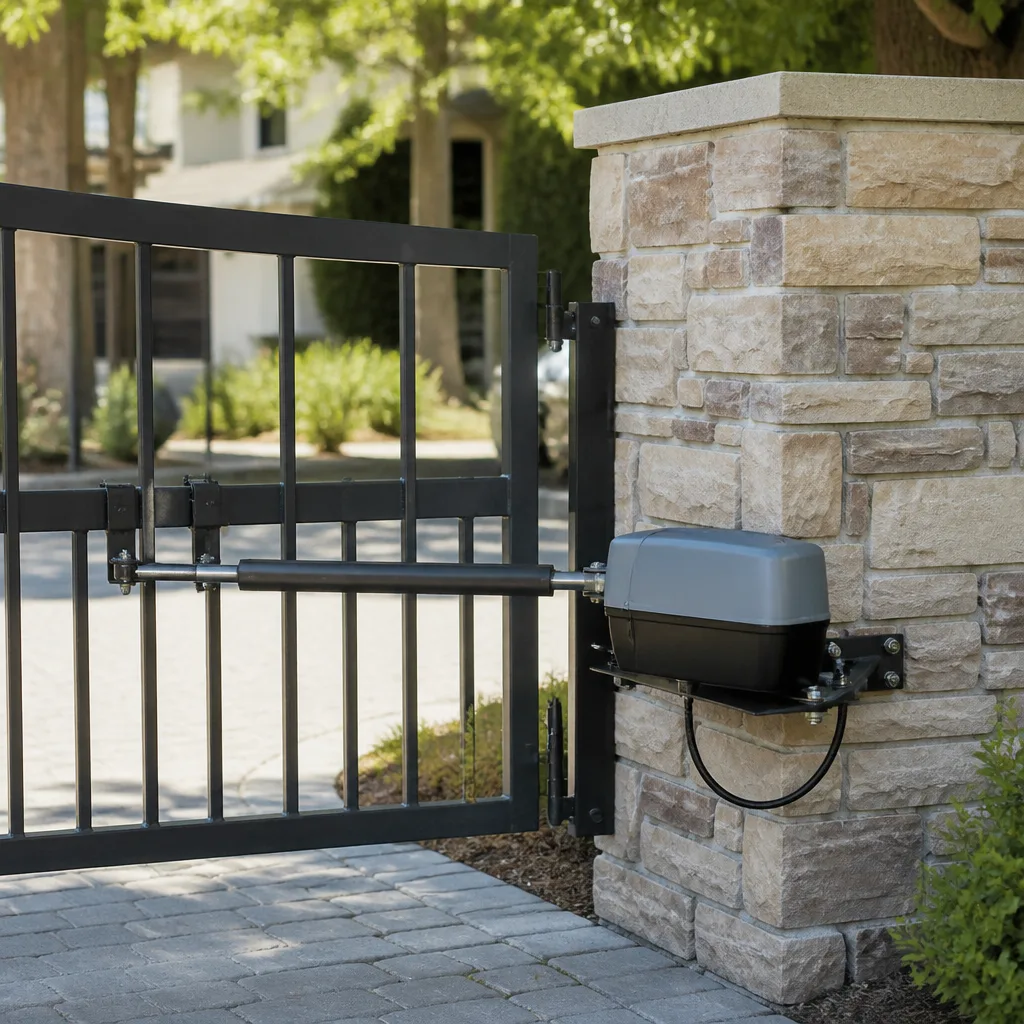 LiftMaster operators
Free on-site gate assessment - hinges, posts, and your LiftMaster or Nice gate operator checked before anything is quoted
The assessment is free and the quote is the invoice.
Get your free estimateGate Repair Warning Signs: A Denver Homeowner’s Reference Guide
Most gate failures announce themselves well before the gate stops working. The problem is that the early warnings look harmless – a half-second pause, a faint grind, a remote that needs a second press. A gate that hesitates for two seconds before moving isn’t just annoying. It’s often a control board or limit switch warning, and ignored for another month it can turn a small part swap into a full operator replacement. This guide maps each symptom to the component most likely causing it, so you can decide what’s urgent and what can wait for a scheduled repair. Written from our bench in Denver, where freeze-thaw cycles rewrite the rules.
Quick Answer
The most serious gate warning signs are a gate that reverses mid-cycle, one that stops short of full open or close, grinding or clicking from the operator, humming with no movement, and any gate that moves on its own. Cosmetic issues like a squeaky hinge or a slightly misaligned latch can wait. Safety-critical signs – a gate that reverses on contact, a gate that drifts, or visible damage to the operator housing and its wiring – call for shutting the gate off and getting a technician out. In Denver, heaved posts from freeze-thaw and winter stiffness are the two symptoms homeowners most often mistake for motor failure.
Styles & brands we work with
- Wrought iron
- Wood & steel frame
- Farm & ranch
- Sliding driveway gates
- LiftMaster operators
Table of Contents
- What Your Gate’s Sounds Are Telling You
- Behavioral Warning Signs: Slow, Reversing, and Stopping Short
- Visual Inspection: Gate, Operator, and Control Board
- Urgent vs. Cosmetic: When to Shut the Gate Off
- Denver-Specific Symptoms: Heaved Posts and Winter Slowing
- How a Technician Diagnoses a Gate
- Brand-Specific Quirks Worth Knowing
- Common Mistakes to Avoid
What Your Gate’s Sounds Are Telling You
Your ears are the fastest diagnostic tool you own. A gate is a mechanical system with a known set of moving parts, and each part fails with a distinct sound. Here’s how to read them.
Grinding
Grinding almost always comes from metal-on-metal contact. On a slide gate, the usual suspects are worn rollers, a track with debris packed into it, or a chain that’s dried out and skipping. On a swing gate, grinding points to hinge bearings or the operator’s gearbox. A gearbox grinding is the more serious of the two – running it further wears the gears and can strip them entirely.
Clicking
A rhythmic click that repeats with the gate’s motion is usually a limit switch or a slipping sprocket. Clicking that happens once at the start or end of travel points to the control board trying to register a limit position. Clicking that happens continuously often means a chain is loose enough to skip teeth on the sprocket. LiftMaster and Linear operators both use limit systems where a worn switch shows up as a click before it shows up as a fault.
Humming With No Movement
This is the sound of a motor receiving power but not turning the load. Common causes: a failed capacitor, a seized bearing, a chain or belt that’s come off its sprocket, or a control board sending power to a stalled motor. Humming is one of the few sounds that justifies shutting the gate off – a motor that hums without moving draws high current and can overheat the windings.
Intermittent Beeping
Beeping from the operator is almost always a safety or fault signal. It can mean the photo-eye beam is blocked, the battery backup is failing, or the operator has logged a fault code. On FAAC and BFT systems, the operator often beeps before displaying a code. Take the beep seriously: it’s the system telling you something before it decides to stop working.
Behavioral Warning Signs: Slow, Reversing, and Stopping Short
How the gate moves is often more informative than how it sounds. Behavioral changes fall into four groups, and each one points to a different category of fault.
Slow Operation
A gate that’s running visibly slower than it used to is fighting resistance. On a slide gate, the resistance usually comes from the track or the rollers. On a swing gate, it’s often the hinges or the soil under the post. In Denver specifically, cold weather thickening the lubricant and stiffening the seals slows a gate down every winter – the difference is that winter slowing recovers as temperatures rise, while motor wear slowing doesn’t.
Reversing Mid-Cycle
A gate that starts closing and then reverses is telling you it detected an obstruction or an unsafe condition. On an automatic system, the safety edges and photo-eyes are the first places to look. If they’re clear and clean, the fault may be a bad safety edge, a control board reading a false signal, or a force setting a technician needs to recalibrate. Reversing mid-cycle is a safety symptom, not a convenience symptom – the gate is doing what it’s designed to do, and you need to find out why.
Stopping Short of Full Open or Close
Stopping short usually means a limit switch has drifted out of adjustment or failed. The operator thinks it’s reached full travel when it hasn’t. It can also come from a chain or belt that’s stretched, so the operator’s internal count has drifted from the gate’s actual position. Either way, the gate is being commanded to move to a position it never reaches.
Moving on Its Own
A gate that opens or closes without a command is a control board, receiver, or wiring problem. On a system with a keypad or intercom, a stuck button is the simplest explanation. On a system with a LiftMaster receiver, a failed remote can transmit a ghost signal. Never ignore this symptom – an unattended gate moving on its own is a real hazard.
Visual Inspection: Gate, Operator, and Control Board
Visual checks break into three areas, and each area answers a different question. Look at the gate first, the operator second, and the control board last. If you see exposed wiring or a damaged operator housing, stop and call a technician – a gate operator’s electrical components should never be opened by anyone without the training for it.
On the Gate Itself
- Posts: cracked or heaved concrete at the base, out-of-plumb posts, visible gaps between the post and the footer
- Hinges: rust, looseness, visible gaps when you push the gate by hand (with the operator disengaged)
- Gate frame: sagging, bent rails, dragging at the bottom edge
- Track (slide gates): debris, flat spots, dents, worn rollers
- Latch and stop: worn, misaligned, or missing
On the Operator
- Housing: cracks, dents, water intrusion, rust around seams
- Battery backup: a swollen or leaking battery pack
- Fault display: a code, a flashing LED, or a blank display on a unit that should be powered
- Photo-eyes and safety edges: dirt, misalignment, or damage to the housings
On the Control Board
The control board should be checked by a technician, but you can note whether the board’s LED indicators are lit, blinking, or dark. Something as simple as a scorched smell, a swollen capacitor, or a code on the display tells a technician a great deal before they even open the panel.
Urgent vs. Cosmetic: When to Shut the Gate Off
Not every symptom warrants the same response. Here’s how we’d sort them.
Shut the gate off and call
- Any symptom that made the gate reverse on contact with a person, pet, or vehicle
- The gate moving on its own
- Visible damage to the operator housing, wiring, or safety-edge cable
- A motor humming with no movement
- A gate that has come off its track or is leaning
- Any burning smell or scorch marks near the operator
Schedule a repair, but keep using the gate
- Slower operation than usual
- Grinding or clicking that doesn’t escalate
- Stopping short of full travel
- A squeaky hinge or a misaligned latch
- An operator that needs two remote presses to respond
The sorting is not arbitrary. Anything involving the operator’s wiring, the safety edges, or unexpected movement is a hazard because the gate is heavy and the operator is strong. A gate that decides to close unexpectedly can crush a hand or a pet. A gate stuck at half-open is inconvenient. Know which one you have.
Denver-Specific Symptoms: Heaved Posts and Winter Slowing
Denver’s freeze-thaw cycles introduce two failure modes you won’t see in warmer climates, and both of them get misdiagnosed as operator failure.
Heaved Posts
A post that has heaved shows up as a gate that no longer closes true, catches at the latch, or swings on an angle. Watch the gate move: a heaved post makes the whole gate travel off its normal path. The gate itself isn’t broken; the post is. On swing gates, the hinges are now further apart or tilted, and the operator is fighting a load it wasn’t designed for. On slide gates, the track is now out of level. If a post has heaved, no amount of operator adjustment fixes the problem – the post needs resetting. That’s a job for a gate specialist, not a general fix-it visit.
Winter Slowing vs. Motor Wear Slowing
Every Denver gate slows in winter. Cold thickens the lubricant, the metal contracts slightly, and the seals are stiffer. Winter slowing is uniform across the whole travel and goes away when the weather warms. Motor wear slowing starts gradually, affects the operator under load (the start of the cycle is often worse than the middle), and doesn’t reverse with the season. If your gate slows down in December and is itself again in March, it’s the weather. If it’s been getting slower for a year, it’s the operator.
Denver’s altitude and sun exposure also dry out seals and lubricants faster than most climates. A Denver gate operator often needs lubricant attention more frequently than the manufacturer’s schedule suggests, and the gate hardware needs visual inspection each spring after the freeze has settled.
How a Technician Diagnoses a Gate
Diagnosis follows a fixed sequence. Knowing it helps you understand what the technician is doing and it also helps you see why a generalist who services garage doors, fences, and gates on the side has a slow, guessy path to the problem.
- Observe the gate in motion first, before touching anything. Every behavioral symptom is easier to see on a running gate than a stopped one.
- Disengage the operator and move the gate by hand. A gate that moves freely by hand has an operator or control problem. A gate that binds by hand has a mechanical problem – rollers, hinges, posts, or track.
- Test the safety devices in isolation. Photo-eyes, safety edges, and edge transmitters each get tested separately so a false signal from one doesn’t mask a real fault in another.
- Read the control board. Fault codes, LED states, and any logged history pin the diagnosis to a specific component in most cases.
- Test the operator under its actual load. Limit adjustments, force settings, and capacitor condition are all verified against a real cycle.
A dedicated gate specialist runs this sequence faster because they run it every day on gates only. A generalist who spends most of their time on garage doors or fences has to switch gears, and the switch is where diagnosis gets longer. That’s why gate repair is the only thing we do.
Brand-Specific Quirks Worth Knowing
The warning signs are universal, but how each system reports them varies. Here’s a quick reference on three systems we see a lot of in Denver.
- LiftMaster: Control boards report faults through a diagnostic LED code rather than a text display. A slow, repeated blink often points to a limit or accessory fault, and the safety-edge system is frequently involved. A LiftMaster that reverses mid-cycle usually means the safety edge or photo-eye is failing, not the drive.
- FAAC: Hydraulic and electromechanical swing operators. FAAC systems tend to announce wear from the gearbox before the control board complains. A high-pitched whine is often the first clue.
- BFT: Integrated control boards with diagnostic indicators. BFT operators can beep before showing a fault, and the beep is your cue to look at the board rather than the gate.
- Linear: Slide and swing operators with straightforward limit systems. A Linear that stops short of full travel is usually a limit-switch adjustment issue. Reversing mid-cycle is more often a safety device or a control board firmware issue.
We work on the brand you already own – the goal isn’t to sell you a new operator but to diagnose the one you have. That’s the difference between a gate specialist and a shop that only carries one brand.
Common Mistakes to Avoid
- Ignoring the first warning sign. That two-second hesitation is a diagnostic. Waiting a month typically converts a cheap part into a much larger repair. Catch it while the gate still moves.
- Assuming a slow gate means a dying motor. In Denver, a slow gate in January is almost always the cold. Test it again in milder weather before drawing a conclusion.
- Cranking up the operator’s force settings to make a binding gate move. That masks the symptom and forces a straining operator through a failing gate. Fix the binding instead.
- Opening the operator housing yourself. The electrical wiring inside a gate operator is not a homeowner-safe component. Even with the power off, a charged capacitor can hold a charge. Call a technician.
- Assuming a heaved post means a new gate. A heaved post is a post problem, not a gate problem. Resetting the post is often enough, and it’s cheaper than replacing an operator you didn’t need to replace.
- Letting a generalist fix an electric gate. Gate operators and their accessories have their own code requirements and safety settings. A garage-door shop’s technician sees gates as a side item; the diagnosis takes longer and the return visits add up.
- Skipping the visual check at the start of the season. Walking the gate once each spring catches most failures before they become a midwinter problem.
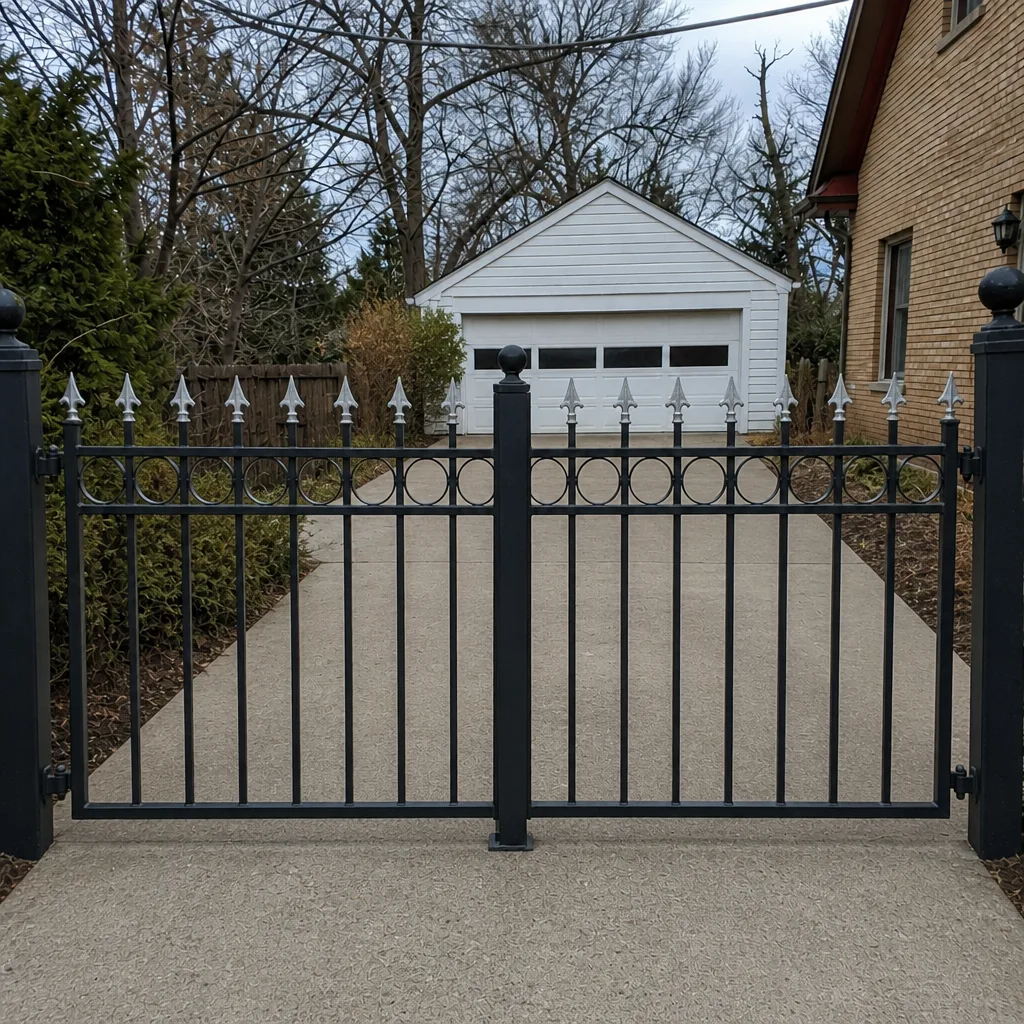
See the difference
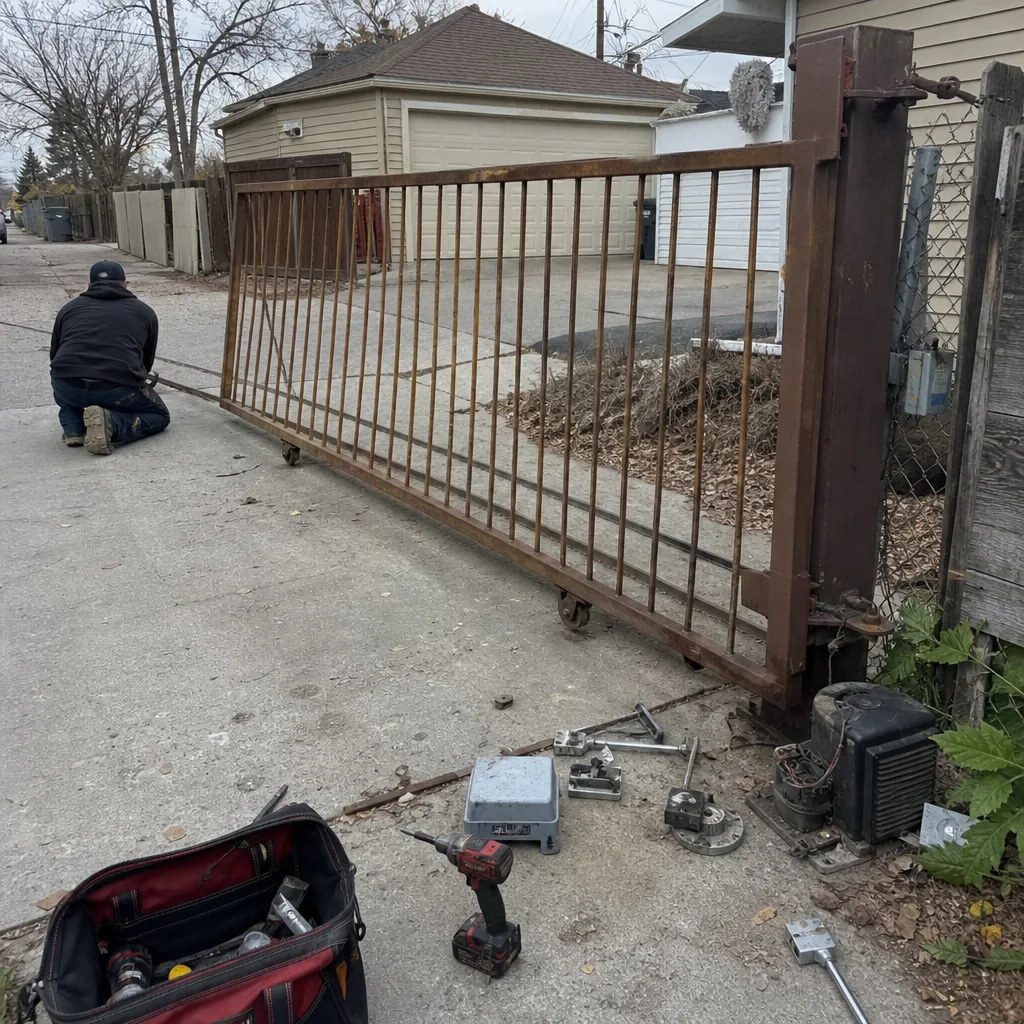 Before
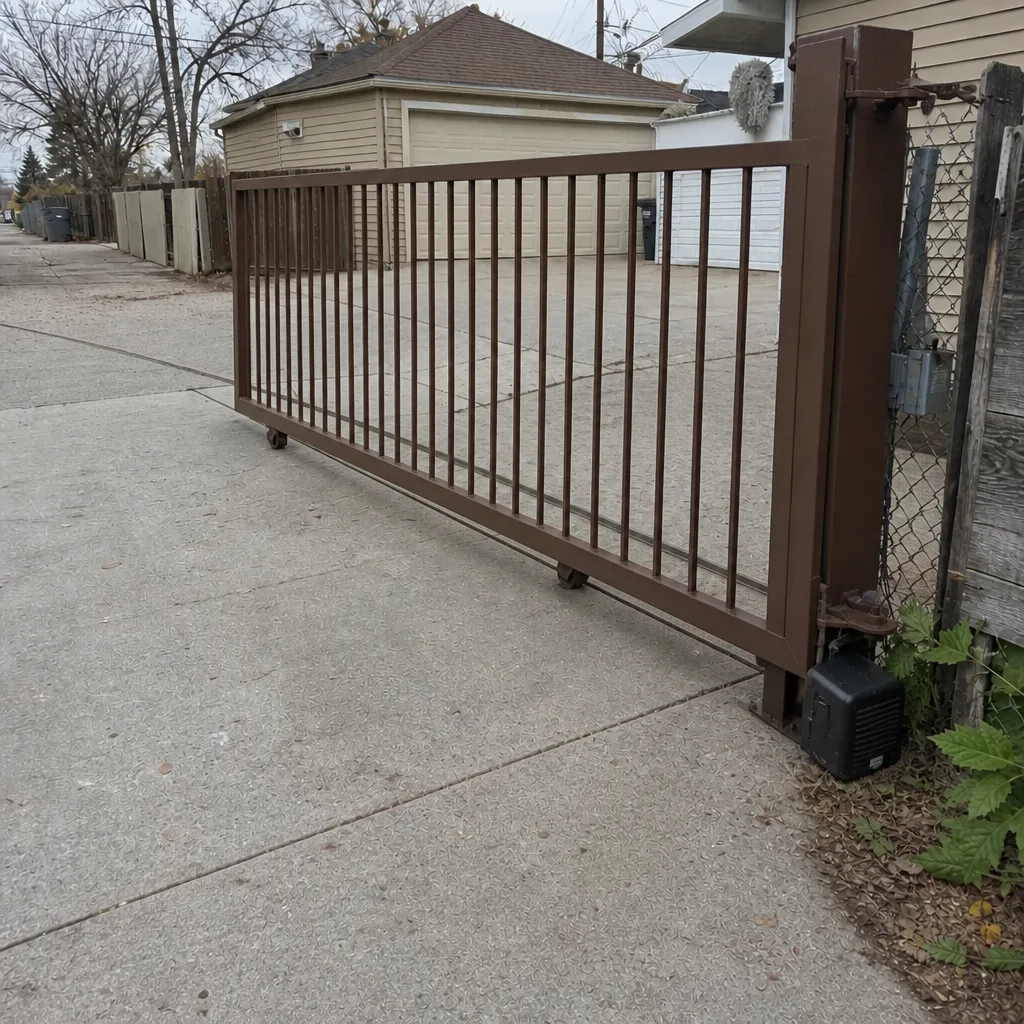 After
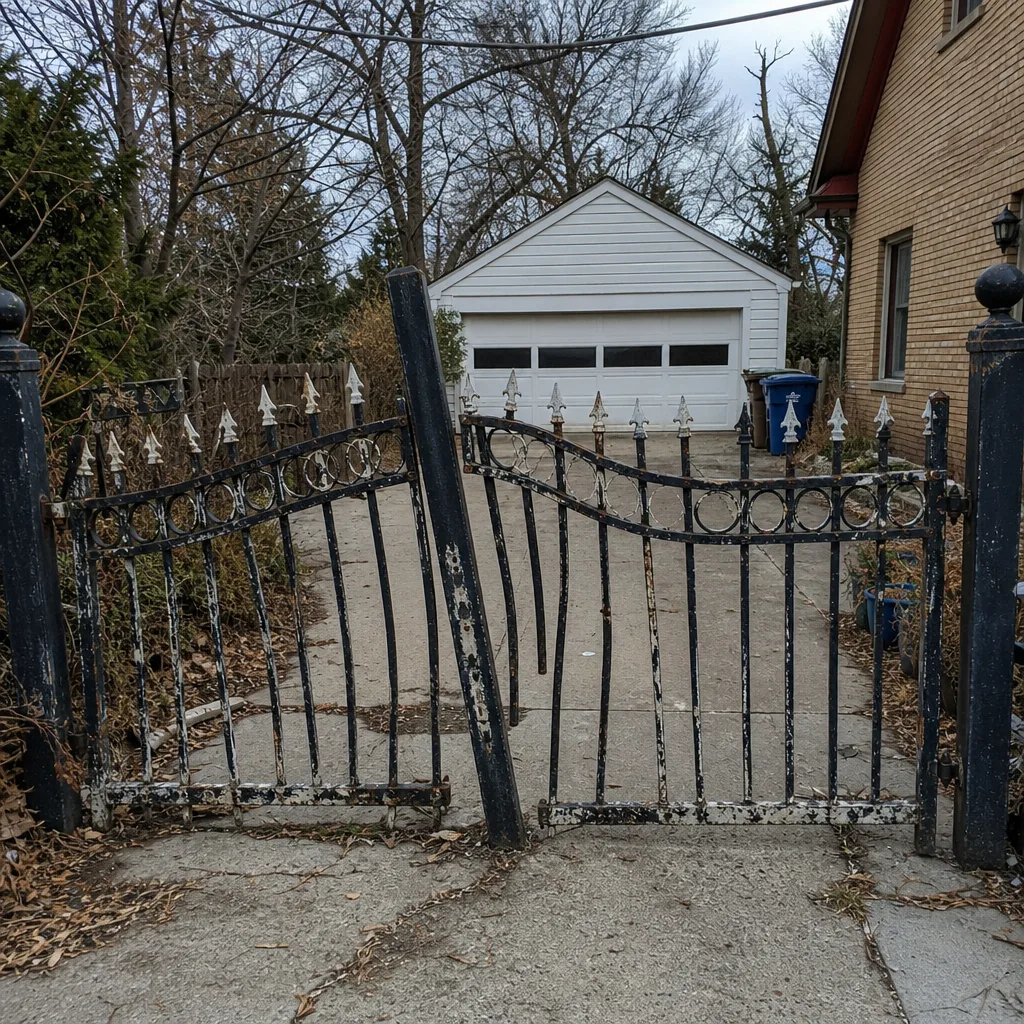 Before
 After
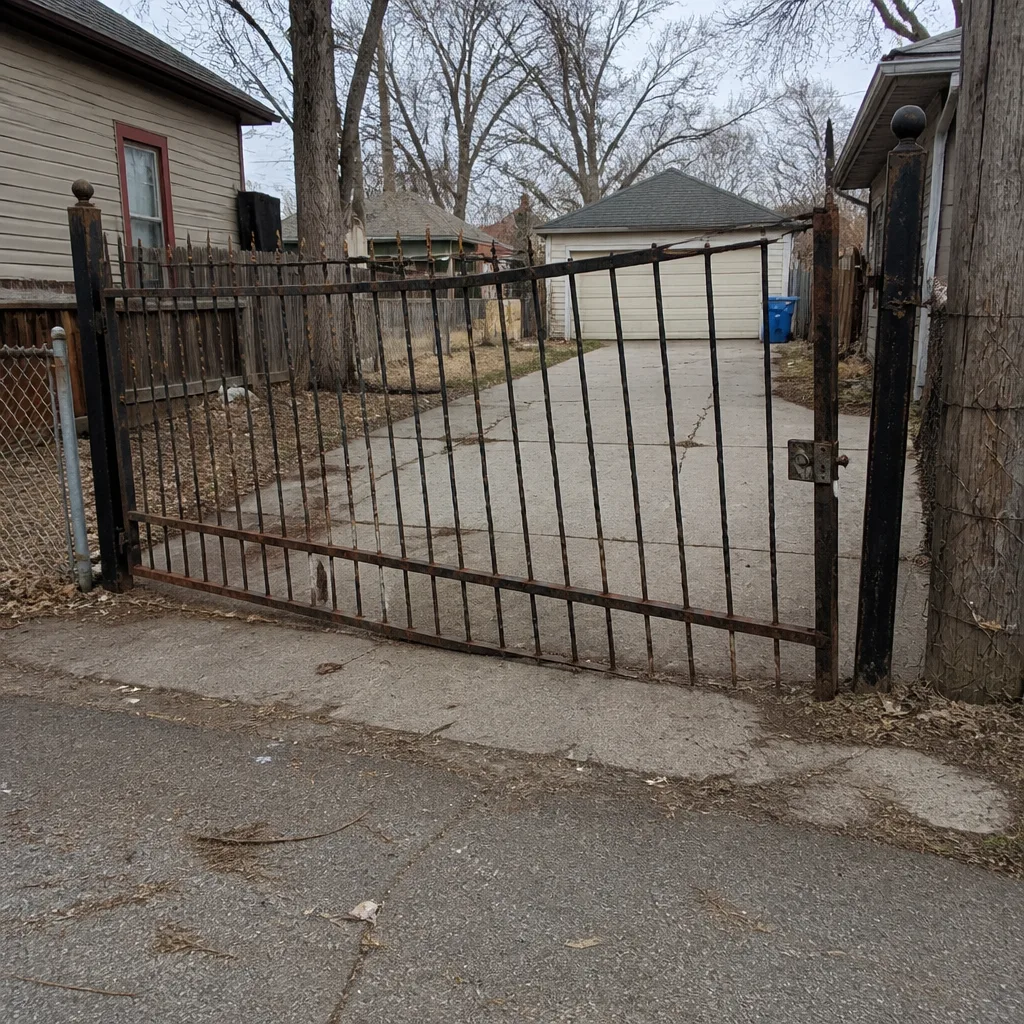 Before
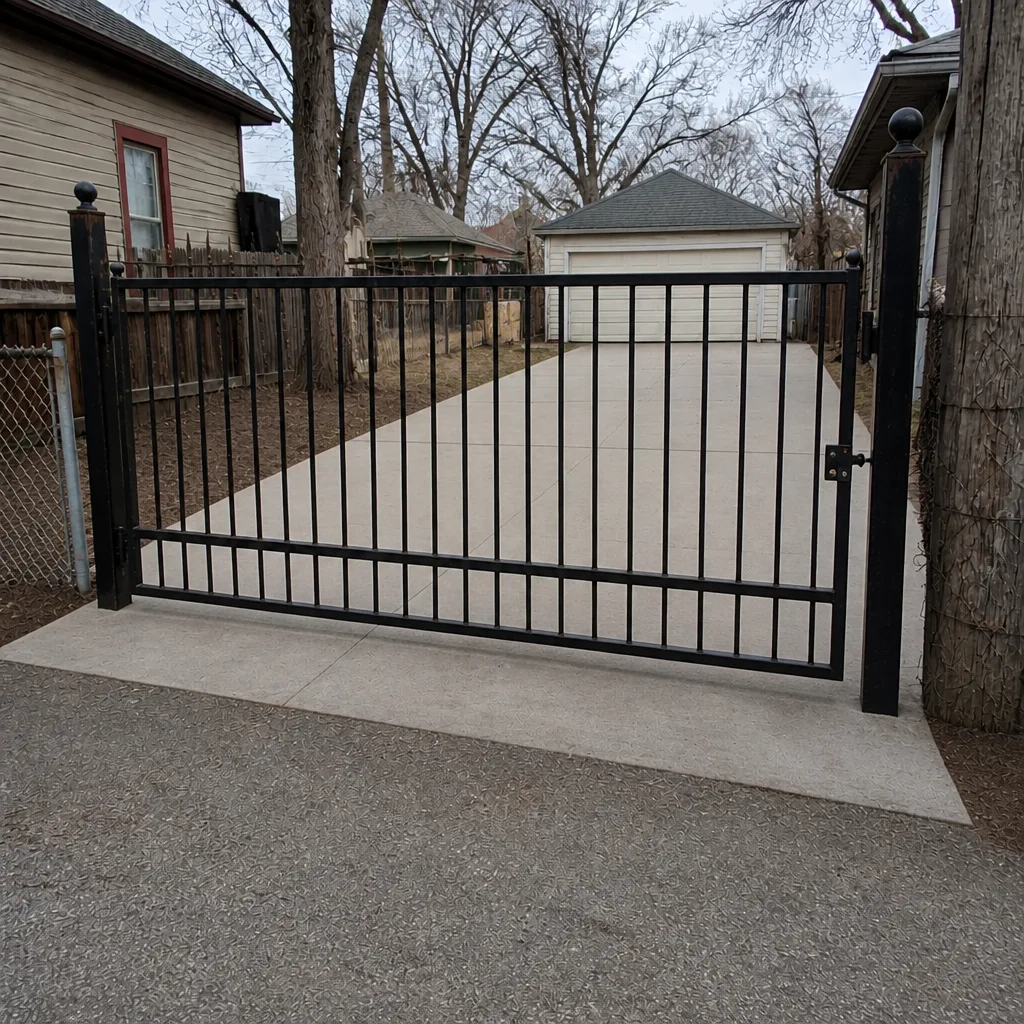 After
When to Call a Professional
Call a professional if any of the urgent symptoms are present, if the gate is moving on its own, if a post has heaved, or if the gate reverses mid-cycle and the safety devices don’t explain it. Call if the operator has stopped responding altogether, or if the same symptom has returned after a repair. And call if you aren’t sure whether what you’re seeing is cosmetic or not – the cost of a diagnostic visit is far lower than the cost of the repair that follows a missed warning. Gate Repair Denver offers free estimates in Denver – call (855) 677-8291 to book yours. For electric and automated systems specifically, we also handle electric gate repair end to end across all the name-brand operators.
Frequently Asked Questions
The most common one we see is a gate that hesitates before it moves. That two-second pause is usually a limit switch, a control board, or a safety edge starting to fail. It’s worth catching early – the same symptom left alone for a month can mean a much larger repair than the one you’d be doing now. Call (855) 677-8291 for a free estimate.
That’s normal Denver behavior. Cold thickens the lubricant in the operator and stiffens hinges and seals, and the slowing goes away as temperatures rise. If the gate slows consistently year-round and gets progressively slower, that’s motor wear rather than weather. When in doubt, call (855) 677-8291 for a free estimate.
Sometimes, but only if the noise is steady and not getting worse. Grinding from a hinge or a roller is routine wear and can wait for a scheduled repair. Grinding from the operator’s gearbox, or grinding that escalates within a week, warrants shutting the gate off. Call (855) 677-8291 to have it looked at either way.
Not as-is. Reversing mid-cycle means the safety devices are detecting something, real or not. The gate is behaving as designed, but you need a technician to find out why. Don’t override the safety devices – that’s the one thing we’d never recommend. Call (855) 677-8291 for a free estimate.
Watch the gate move. A heaved post makes the gate travel off its normal line, catch at the latch, or swing on an angle. Look at the base of the post for cracked concrete or a visible gap. Heaved posts are a Denver-specific pattern from freeze-thaw, and they need the post reset rather than an operator adjustment.
A gate specialist is the safer call for anything involving the operator, the control board, or the safety devices. The wiring and safety settings are their own specialty, and a generalist is often diagnosing on the fly. We service nine name-brand gate operators – LiftMaster, FAAC, BFT, Linear, Viking, Ghost Controls, DoorKing, Elite, and Mighty Mule – and we’ve been working Denver homes and properties since 2015. Call (855) 677-8291 for a free estimate.
The Bottom Line
Every gate failure sends a warning first. Your job is to notice it, and this guide is designed to help you sort the urgent from the cosmetic. Grinding and clicking from the operator, reversing mid-cycle, stopping short of full travel, and a motor humming without moving are all worth a call. Slow operation in winter may be the weather – in Denver, check whether the symptom reverses with the season before assuming it’s the motor. Shut the gate off for anything involving safety devices, unexpected movement, or damage to the wiring. And call a dedicated Gate Repair Denver specialist rather than a generalist – the diagnosis is faster and the repair is right the first time.
We answer 24/7. Call (855) 677-8291 for a free estimate. Fast dispatch from 7am to 7pm, Sunday through Friday.
Written by the team at Gate Repair Denver, serving Denver since 2015.