
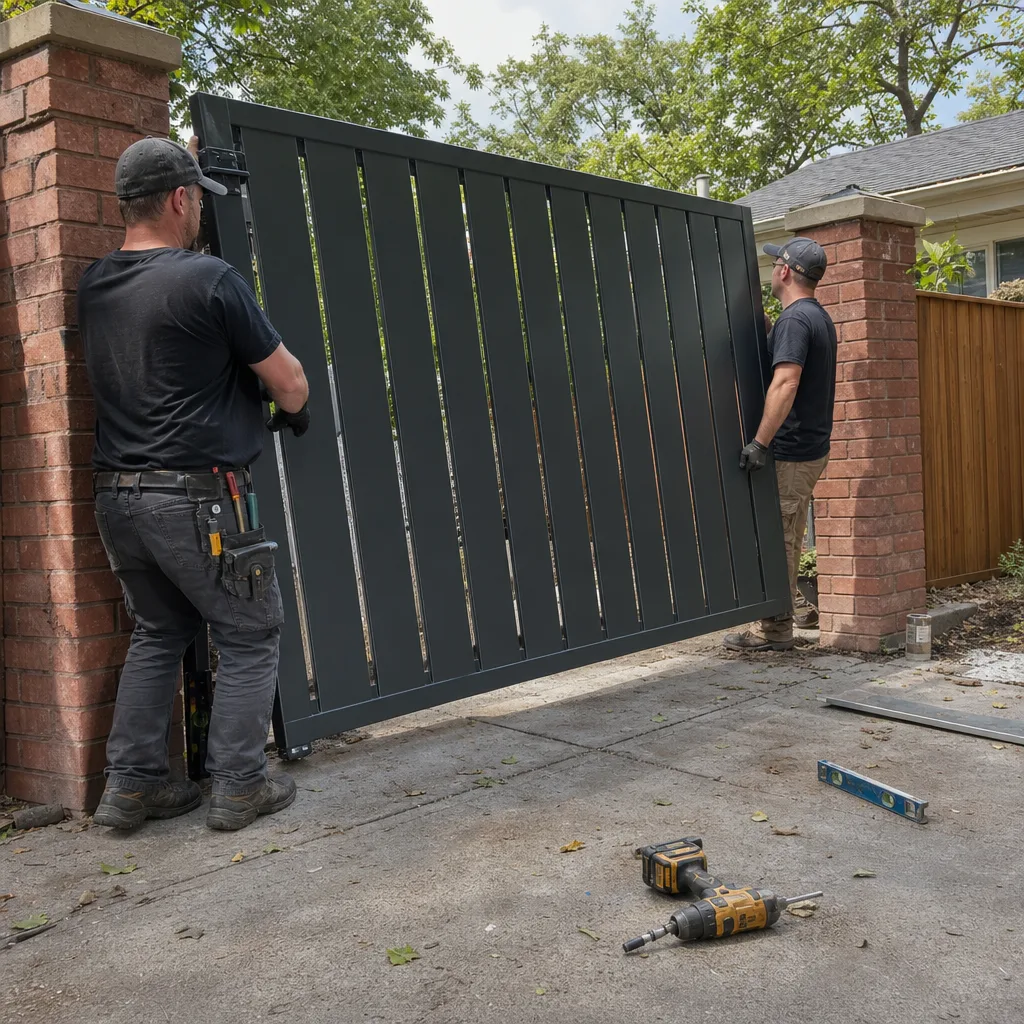
Last updated November 14, 2026
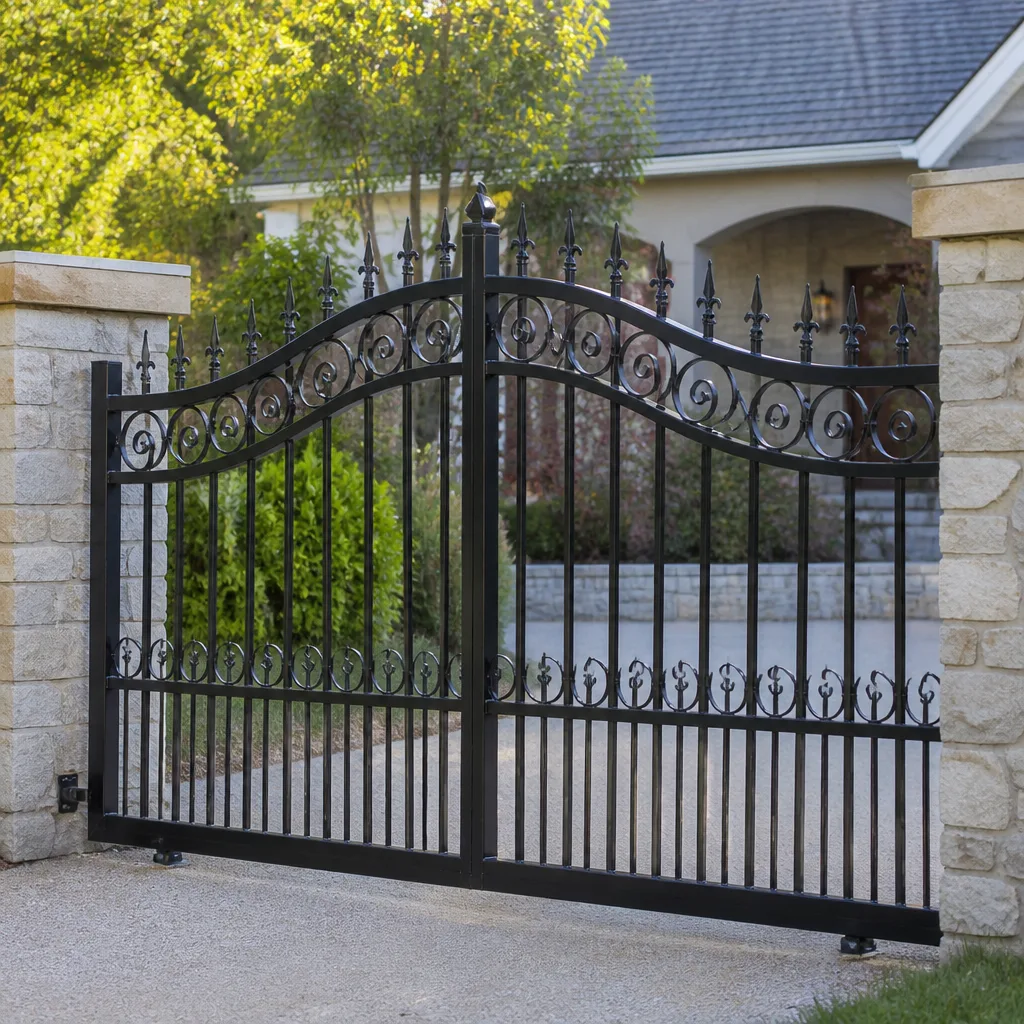 Wrought iron
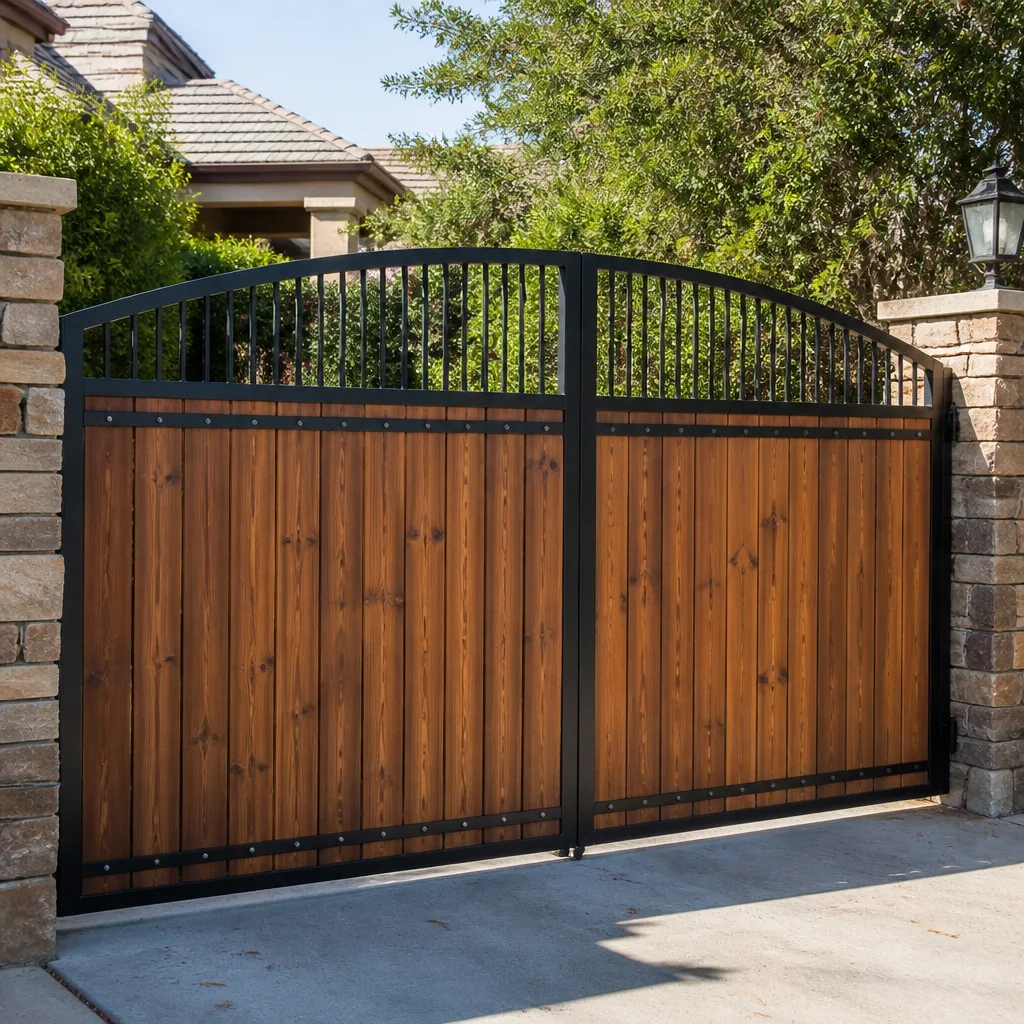 Wood & steel frame
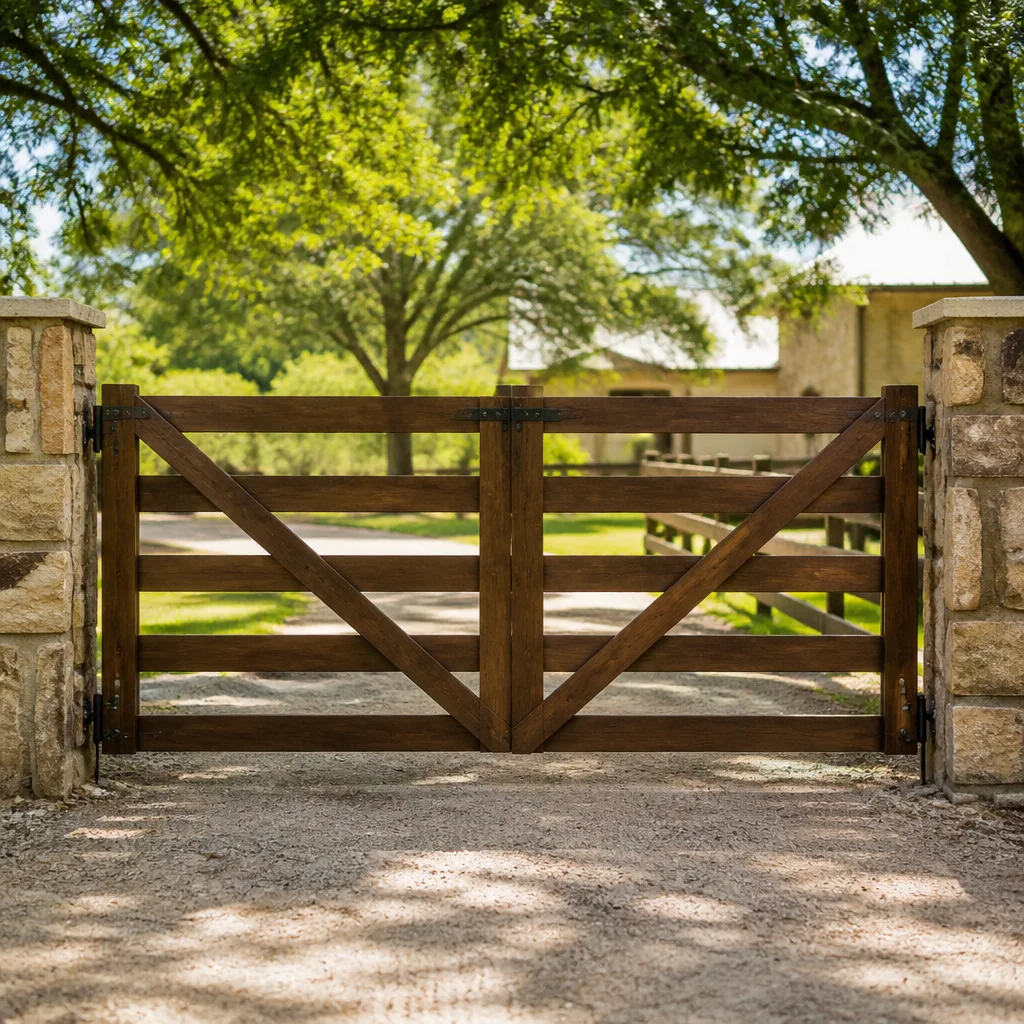 Farm & ranch
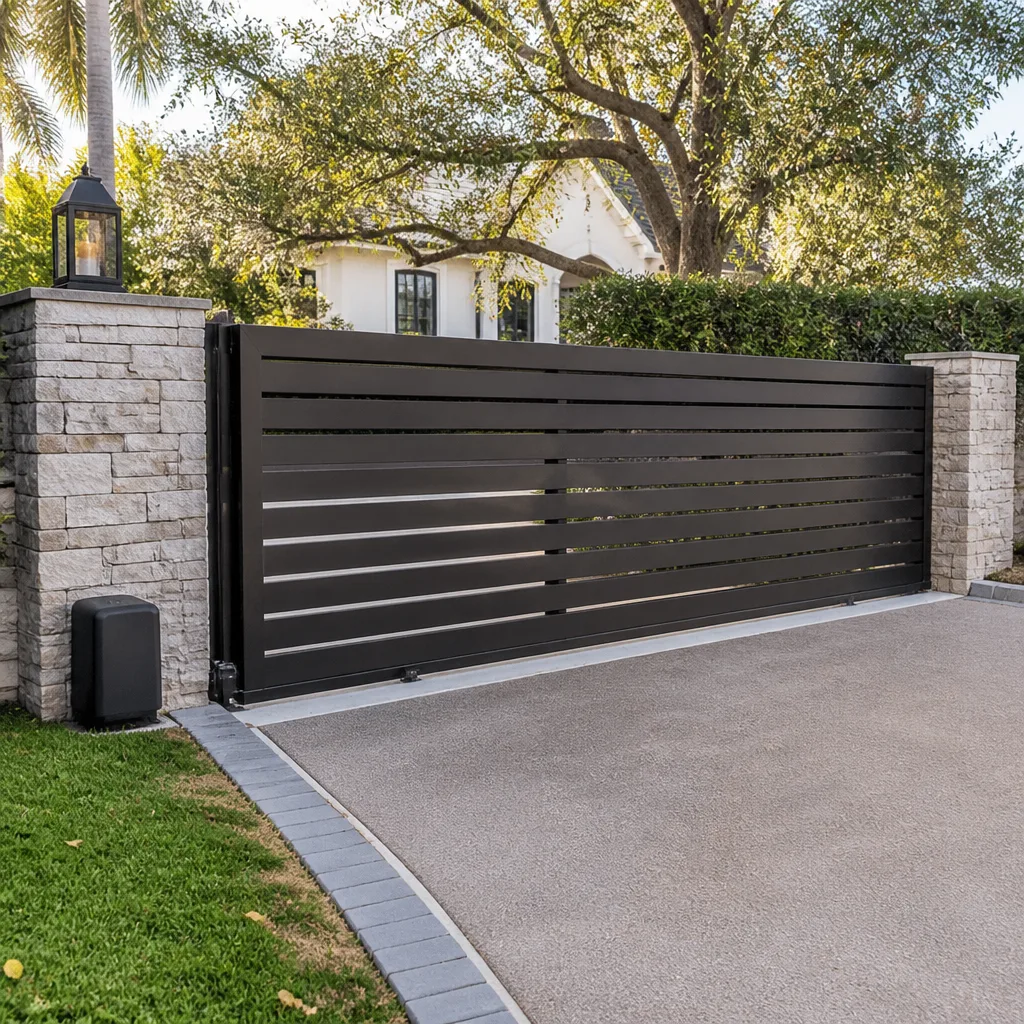 Sliding driveway gates
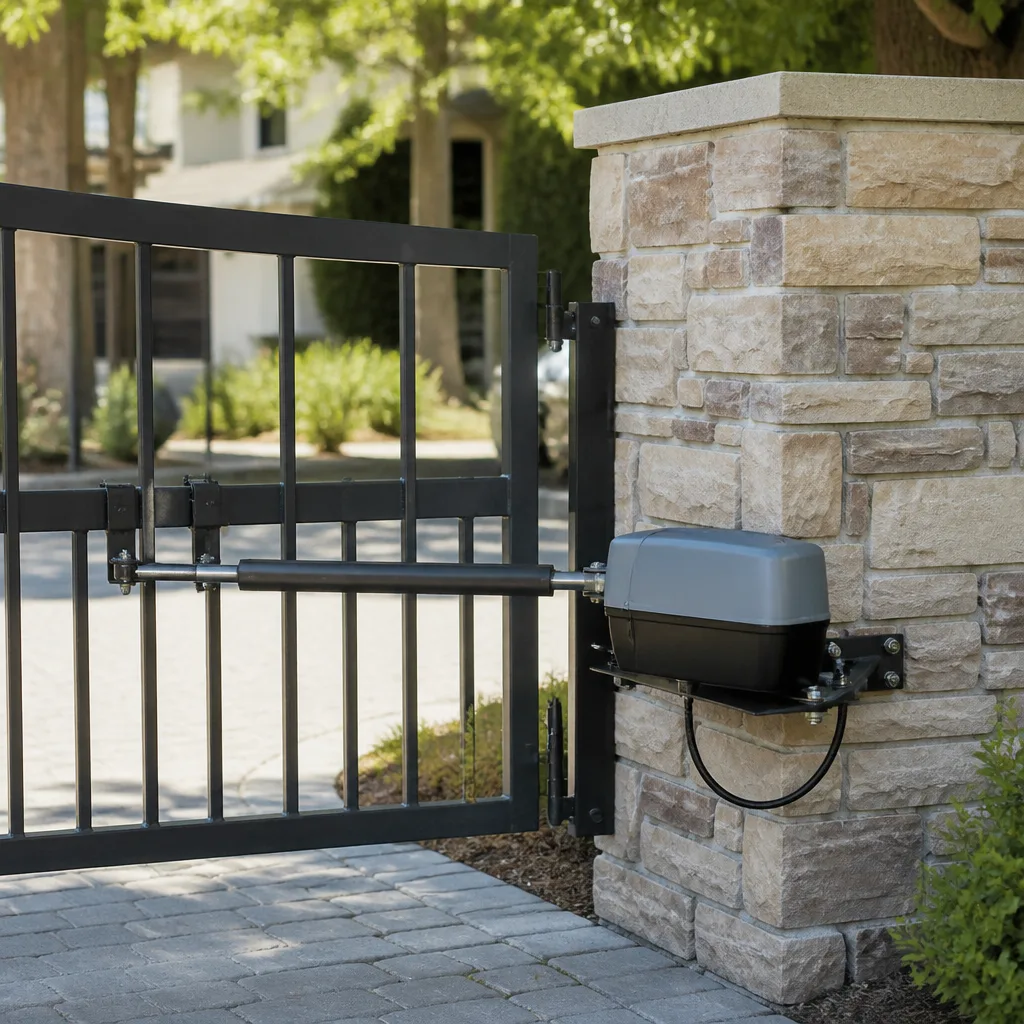 LiftMaster operators
Free on-site gate assessment - hinges, posts, and your LiftMaster or Nice gate operator checked before anything is quoted
The assessment is free and the quote is the invoice.
Get your free estimateHow to Hire a Gate Repair Contractor in Denver: A Step-by-Step Guide
Ask a potential gate contractor which operators they’re certified on. If they can’t name at least three major brands without hesitating – LiftMaster, DoorKing, FAAC, Elite, Viking – you’re likely talking to a generalist who learned on the job. That single question tells you more than any website or truck decal. In Denver’s home-services market, gate repair often gets picked up as a side job by fence companies and garage-door shops that lack brand-specific operator training, and homeowners have no obvious way to tell the difference until they’re staring at a repair that didn’t hold. This guide gives you the exact questions and verification steps to spot a true gate specialist before anyone touches your system. We’ll cover what certifications actually mean, how to read a quote, how to scope the job in writing, and what a proper walkthrough looks like.
Quick Answer
To hire a gate repair contractor in Denver, verify three things before you book: that the company specializes in gates (not fences or garage doors as a sideline), that its technicians know the specific operator brand on your property, and that you get a written, itemized estimate before any work starts. A true gate specialist can diagnose both the mechanical problem and the electric or automated system, and will demonstrate the fix working before leaving. Price is the last thing to compare, not the first.
Styles & brands we work with
- Wrought iron
- Wood & steel frame
- Farm & ranch
- Sliding driveway gates
- LiftMaster operators
Table of Contents
- Why Gate Repair Is Often a Side Service in Denver
- What Certifications and Training Can a Gate Technician Hold?
- How Do You Verify a Gate Specialist? A Step-by-Step Check
- Red Flags in a Gate Repair Quote
- Why Three Quotes for Gate Repair Can Backfire
- How to Write the Job Scope So the Invoice Matches the Quote
- What a Proper Post-Repair Walkthrough Should Include
- Denver Conditions That Affect Gate Systems
Why Gate Repair Is Often a Side Service in Denver
Denver’s home-services market is built around volume. Fence companies install cedar and composite fencing; garage-door shops install openers and sectional doors. Gates sit awkwardly between those trades, so a lot of companies bolt gate repair onto their menu without building real depth in it. The result: a crew that’s excellent at setting fence posts shows up to fix an automated swing gate and has to figure out an operator they’ve never opened before.
That gap matters because a gate is two systems in one housing. There’s the mechanical side – hinges, latches, tracks, wheels, and the heavy panel itself – and there’s the electric side: the operator, control board, safety edges, and access control. A specialist has to be fluent in both. A generalist usually is fluent in one and improvising on the other.
In our experience as gate-only specialists, this is where most repeat visits come from. A technician who services multiple product categories spends the first visit learning your system. Someone who works on gates all day recognizes the failure faster because the brand and the mechanism are familiar.
When you’re evaluating companies in Denver, ask directly: do you do fences? do you do garage doors? If the answer is yes to either, you’re probably talking to a generalist. That’s not automatically disqualifying, but it tells you where gate work sits in their skill stack.
The specialist test
- A gate-only company can talk through both mechanical and electric failures in the same conversation.
- They recognize the brand on your property immediately and know its common failure points.
- They carry or can source parts for that specific operator, not just generic hardware.
- They ask what the gate does before they ask what it looks like – because behavior points to the fault.
What Certifications and Training Can a Gate Technician Hold?
Gate technicians can hold manufacturer training and certification for specific operator brands, and that training is what separates a technician who knows your system from one who’s reading the manual for the first time. The major programs cover installation, programming, and diagnostics for the operators a manufacturer produces. A technician trained on electric gate repair for one brand line usually understands the control logic and safety-edge wiring for that line, which is where most modern gate failures actually live.
Here’s the practical problem: certification isn’t a single universal badge. There’s no one license that says “gate specialist” the way some trades have. What exists is brand-level training and experience, plus a general contractor or specialty license depending on your city’s requirements. So the question isn’t “are you certified?” – anyone will say yes to that. The question is “certified on what, by whom, and can you show me?”
What to actually ask
- Which operator brands have your technicians been trained on, and which are you certified to program?
- Can you name the control board family for my operator and its common failure mode?
- Do you carry the safety-edge and access-control components for that brand, or do you source them per job?
- Who on your team handles diagnostics versus installation?
- What’s your process when you hit a system you haven’t seen before?
That last question matters most. An honest specialist will tell you they check with the manufacturer or consult documentation. A generalist will wing it. We work on the brand you already own, which means our answer to “can you handle my operator?” is usually a specific yes for LiftMaster, FAAC, BFT, Linear, Viking, Ghost Controls, DoorKing, Elite, and Mighty Mule systems – and a clear explanation for anything outside that list. Always confirm any certification claim with the business directly, since programs and credentials change.
How Do You Verify a Gate Specialist? A Step-by-Step Check
Verification is a conversation, not a document. Here’s the sequence we recommend, in order, before you book anyone.
- Ask the brand question first. Before discussing your problem, ask which operators they’re trained on. Hesitation is your answer.
- Ask them to describe your failure back to you. A specialist restates the symptom in gate terms – binding, misalignment, control fault, safety-edge trip – rather than just agreeing to come look.
- Ask what a diagnostic visit covers. They should be able to tell you what they’ll test: the operator, the control board, the safety devices, the mechanical travel.
- Ask for the estimate in writing before work starts. Not a ballpark. Line items.
- Confirm licensing and insurance. Ask for the license number and a certificate of insurance for the job. Verify with your city’s building or licensing office if you want certainty.
- Ask about permits. Some gate and electrical work requires a permit depending on scope and your jurisdiction. Ask your city’s building department what applies to your job, and ask the contractor how they handle it.
- Ask who shows up. The person on the phone and the technician on site aren’t always the same. Confirm the technician is the one trained on your operator.
This takes about ten minutes on the phone. It saves you a botched repair and a second contractor. If you’d rather skip the cold calls, a company that leads with gate repair as its whole business will usually pass steps one through four without prompting.
Red Flags in a Gate Repair Quote
A quote is a promise in writing, and the way it’s written tells you how the job will go. Watch for these.
- Vague line items. “Repair gate operator – $X” tells you nothing. A real quote names the part, the labor, and the diagnostic.
- No part numbers. If a control board, motor, or safety edge is being replaced, the quote should identify it specifically enough to look up. Missing part numbers are how inferior components get swapped in at premium prices.
- Flat-rate pricing that hides grade. A single number for “gate repair” can mask whether you’re getting an OEM part or a cheap substitute. Flat-rate isn’t automatically bad, but ask what’s included and what grade of component.
- No diagnostic step. A quote given before anyone looks at the gate is a guess. For anything beyond obvious mechanical damage, diagnostics should come first.
- Written authorization for extras. If the quote doesn’t say that any additional work gets your written approval first, assume it won’t.
- Pressure to decide today. Gates aren’t going anywhere. A specialist will give you the estimate and let you think.
- No brand mentioned anywhere. A quote that never names your operator is a quote written by someone who may not know it.
The estimate should be free and the price should be set per job by the written estimate. We quote and agree on the price before any work starts, so there’s no surprise on the invoice. If a company won’t put that in writing, keep looking.
Why Three Quotes for Gate Repair Can Backfire
The instinct to get three quotes comes from big-ticket home projects where the scope is clear and the only variable is price. Gate repair works differently. The scope is usually the unknown – nobody knows what’s actually broken until someone qualified looks. So collecting three quotes mostly collects three guesses.
What happens in practice: each company sends someone out, each gives you a number based on a different theory of the failure, and you compare prices that aren’t describing the same job. The cheapest quote often reflects the shallowest diagnosis, not the best value.
Here’s what to compare instead:
- Diagnostic quality. Did they identify the fault or just describe the symptom back to you?
- Brand familiarity. Did they name your operator and its known failure points?
- Scope clarity. Does the quote list exactly what’s being replaced and what’s being tested?
- Part specificity. Are there part numbers, grades, or OEM designations?
- What’s excluded. Good quotes say what they’re not covering, not just what they are.
One well-diagnosed, well-scoped quote beats three guesses every time. If you do want a second opinion, get it on the diagnosis, not the price. Ask the second company to tell you what’s wrong before they tell you what it costs. That comparison is useful. A price comparison on a guessed scope isn’t.
How to Write the Job Scope So the Invoice Matches the Quote
The most common way a gate repair invoice grows past the quote is the “while I’m here” conversation. You’re standing in the driveway, the technician is already on site, and something else needs fixing. Sometimes that’s legitimate – they found a second problem during the repair. Often it’s an upsell made easy by proximity. Writing the scope in advance protects you from both.
Before work begins, make sure the written estimate includes:
- The specific fault being repaired. “Operator control board failure” not “gate not working.”
- The parts being replaced, by name or number. And the grade or OEM designation if it matters.
- What’s being tested but not replaced. So you know what’s covered by the diagnostic.
- What’s explicitly excluded. Cosmetic work, painting, landscaping, anything adjacent.
- A written-authorization clause. No additional work or parts without your approval in writing.
- The labor basis. Whether it’s a per-job price or a time-and-materials rate, and what the estimate assumes.
- How post-repair testing is included. So the walkthrough isn’t a separate billable visit.
That last item matters more than it looks. The repair isn’t done when the technician packs up – it’s done when you’ve seen the gate work and the safety systems function. Build that into the scope.
The companies that push back on written scope are telling you something. A gate-only specialist expects to document the work; it’s how we avoid callbacks. If you’re working with a broader Gate Repair Denver operation or a smaller local shop, the same rule applies: the scope goes in writing, and the invoice matches it.
What a Proper Post-Repair Walkthrough Should Include
The walkthrough is the real test of the job, and it’s the step homeowners most often skip because the gate is finally moving and everyone wants to be done. Don’t. A proper walkthrough catches problems before they become return visits.
Here’s what you should see demonstrated before the technician leaves:
- The gate operating manually and on the operator. Both modes, full travel, from open to close and back.
- The safety reversal or obstruction function. The technician should trigger it intentionally so you see the gate respond. This is the safety edge or safety device test, and it’s not optional.
- The access control or remote working. Keypad, fob, remote – whatever you use to open it. All of it, not just one.
- Programming confirmed. If the operator lost its limits or travel settings, those should be set and verified during the walkthrough.
- The parts they removed. Ask to see them. It confirms the work was done.
- A plain-language explanation of what went wrong. So you know the symptom if it happens again.
- Any follow-up documentation. The invoice, any warranty terms, and a note of what was replaced.
Electric gate systems carry real safety risk. The operator, its wiring, and the safety devices are the parts that need professional attention – a misprogrammed or bypassed safety edge is a genuine hazard, especially on a heavy automated gate. If your technician can’t or won’t demonstrate the safety function, that’s a serious red flag. Heavy panels, out-of-track slide gates, and operator wiring aren’t something to test or troubleshoot casually yourself. Leave those to a trained professional and verify the work in the walkthrough.
Denver Conditions That Affect Gate Systems
Denver’s climate puts particular stress on gate hardware and operators, which is one more reason to hire someone who works on gates year-round here rather than a company that mostly installs fences. The freeze-thaw cycle is the biggest factor. Ground movement from freeze-thaw swings can throw a gate out of alignment or shift a hinge post over the winter, and spring finds a gate that suddenly binds, drags, or won’t latch.
Sun and dry air do their own work on electric components. Control boards, safety-edge sensors, and the plastic or rubber components inside an operator take a beating from UV and temperature swings. We see wiring and connections loosen or corrode at terminals over a couple of seasons. Access control keypads behind a gate face sun and moisture and fail quietly.
Then there’s the wind. Denver gets strong sustained wind and downslope gusts that put load on gates, especially wide swing gates and heavier slide gates. A gate that wasn’t aligned to handle that load can push an operator into repeated safety reversals or wear the motor faster. This is why alignment and operator capacity matter here, and why a technician who knows the local conditions will look at how your gate handles wind before blaming the board.
These factors add up to a shorter component life here than in milder climates, so the diagnosis needs to account for them. A gate repair specialist in Denver expects freeze-thaw misalignment in spring and loose wiring after the hot stretch; a generalist often replaces parts before checking alignment and connections.
Common Mistakes to Avoid
These come up again and again, and most are avoidable with one conversation before booking.
- Hiring a fence company for gate repair. Fence installers are excellent at setting posts and rails; operators and control boards are a different skill set. Ask which part of the gate they specialize in.
- Hiring a garage-door technician for a powered gate. Garage doors and gates share some operator brands, but a gate has no torsion spring and a different mechanical load. A garage-door specialist may be excellent at opener repair and still be unfamiliar with your gate operator’s setup.
- Accepting a quote given before anyone looks at the gate. For anything beyond obvious mechanical damage, the fault is unknown until someone qualified tests the system. A quote without a diagnosis is a guess dressed as a price.
- Collecting three quotes as if they describe the same job. If each company has a different theory of the failure, you’re not comparing prices – you’re comparing guesses. Compare diagnosis, brand knowledge, and scope instead.
- Not putting the scope in writing. The most expensive gate repair is the one that grows on the invoice. Written scope and written authorization for extras prevent it.
- Skipping the walkthrough. A moving gate isn’t a finished gate. If the safety function hasn’t been demonstrated, the job isn’t done.
- Not asking about permits or licensing. Some gate and electrical work needs a permit depending on scope and jurisdiction, and licensing requirements vary. Ask your city’s building department and confirm the contractor’s license before booking.
See the difference
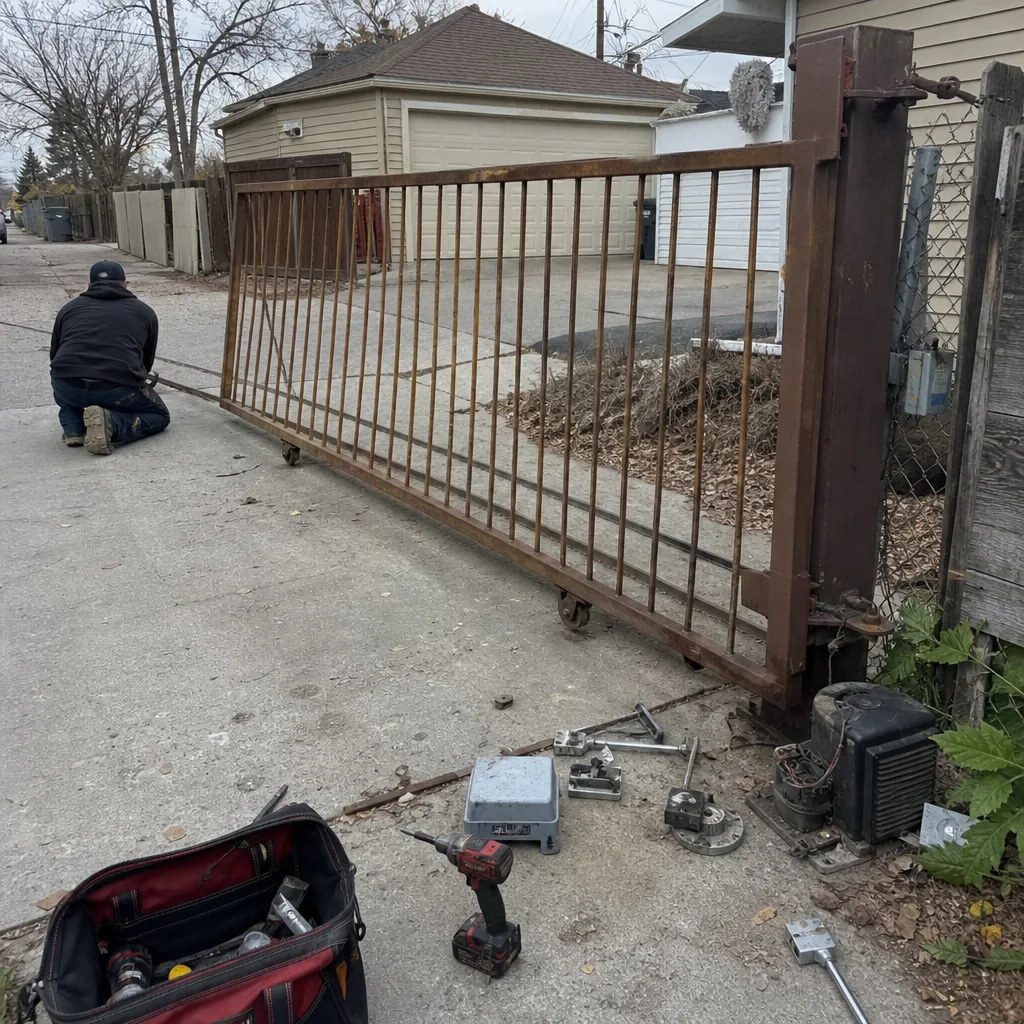 Before
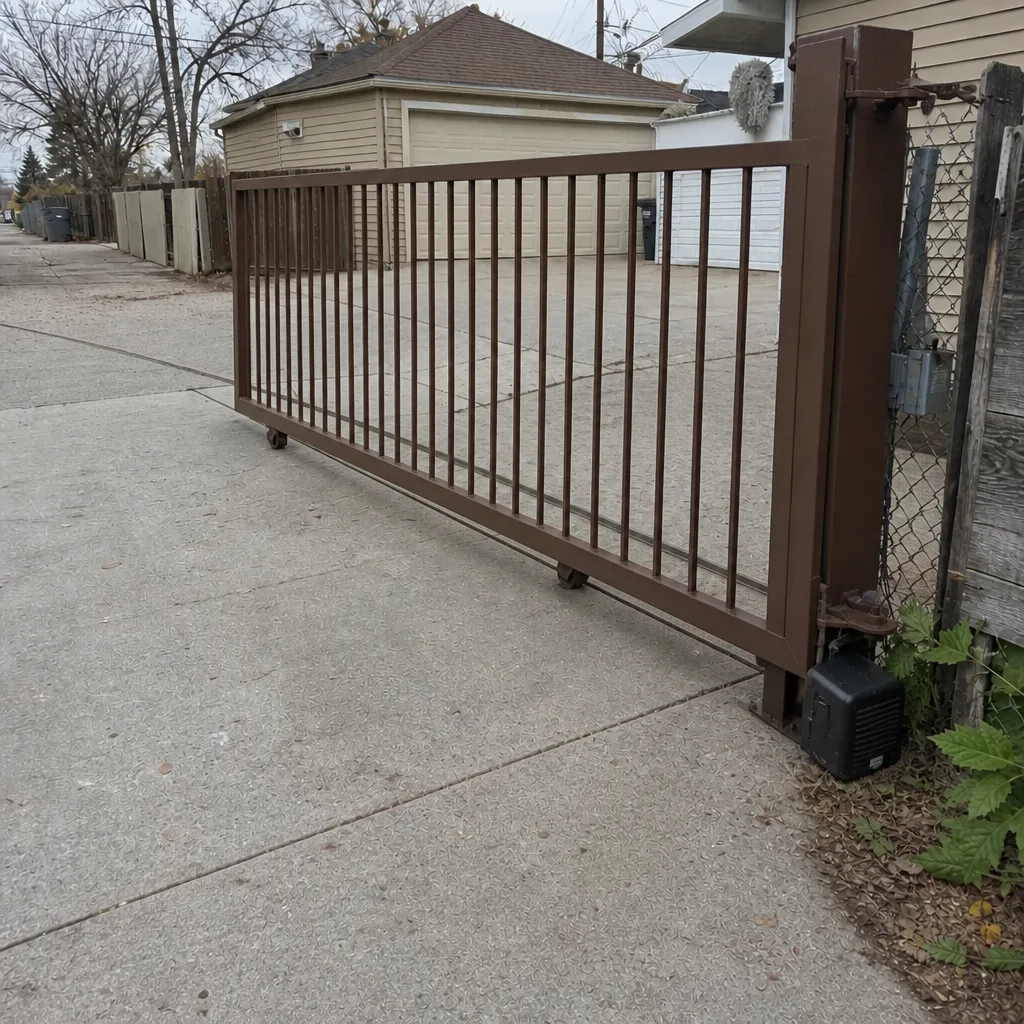 After
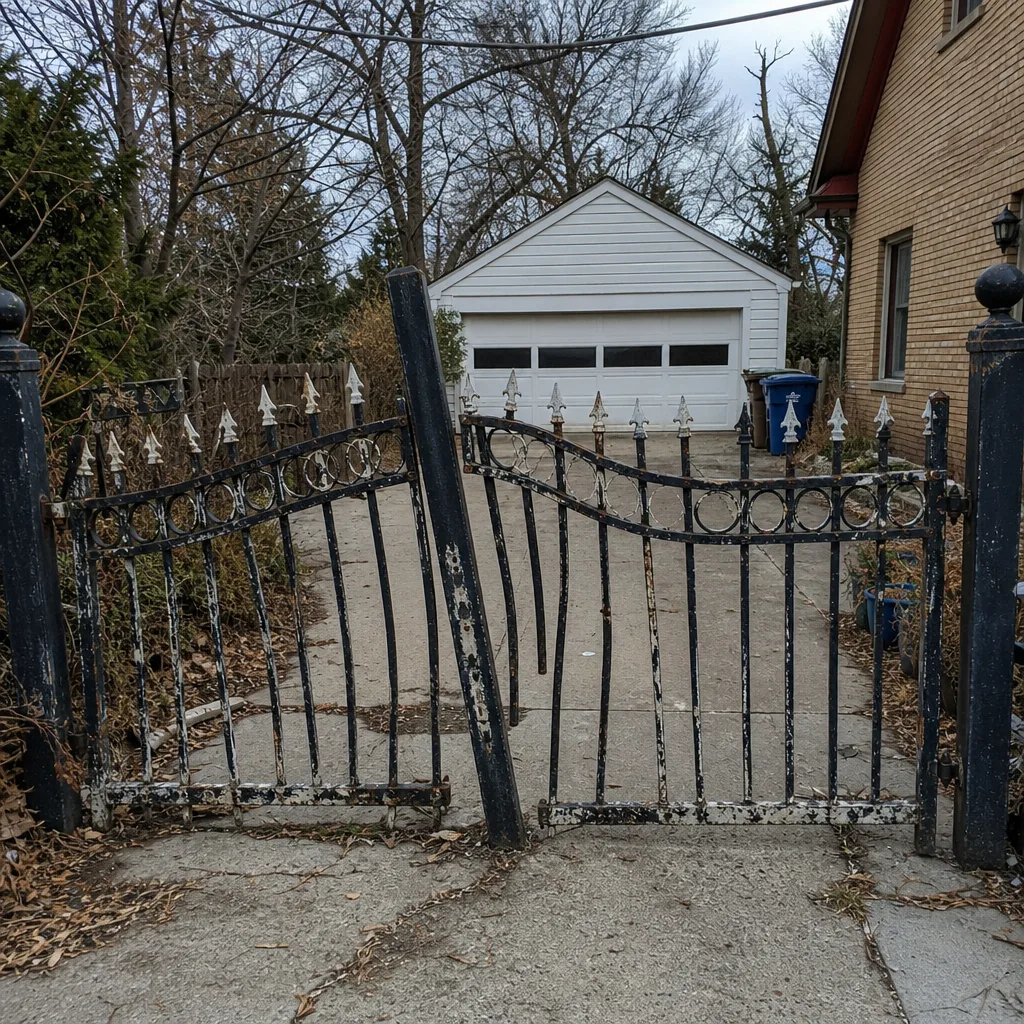 Before
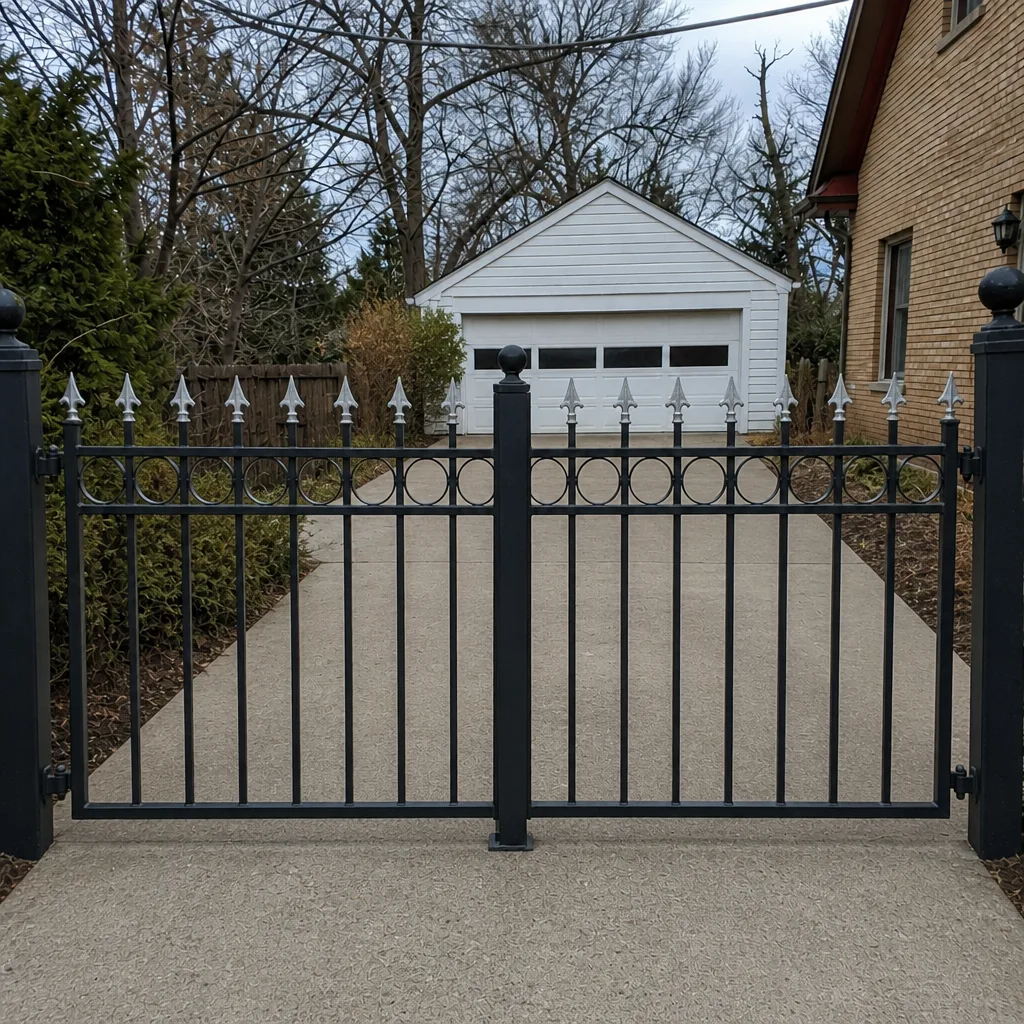 After
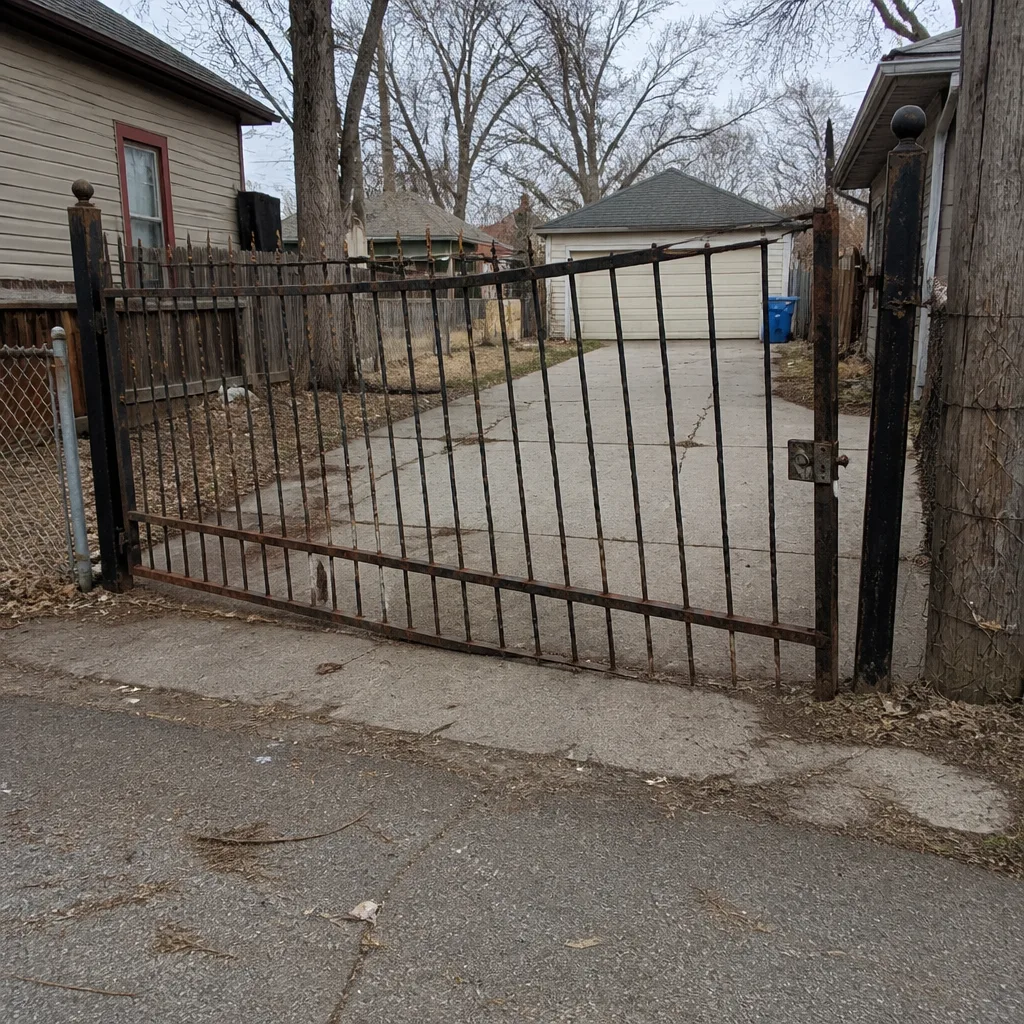 Before
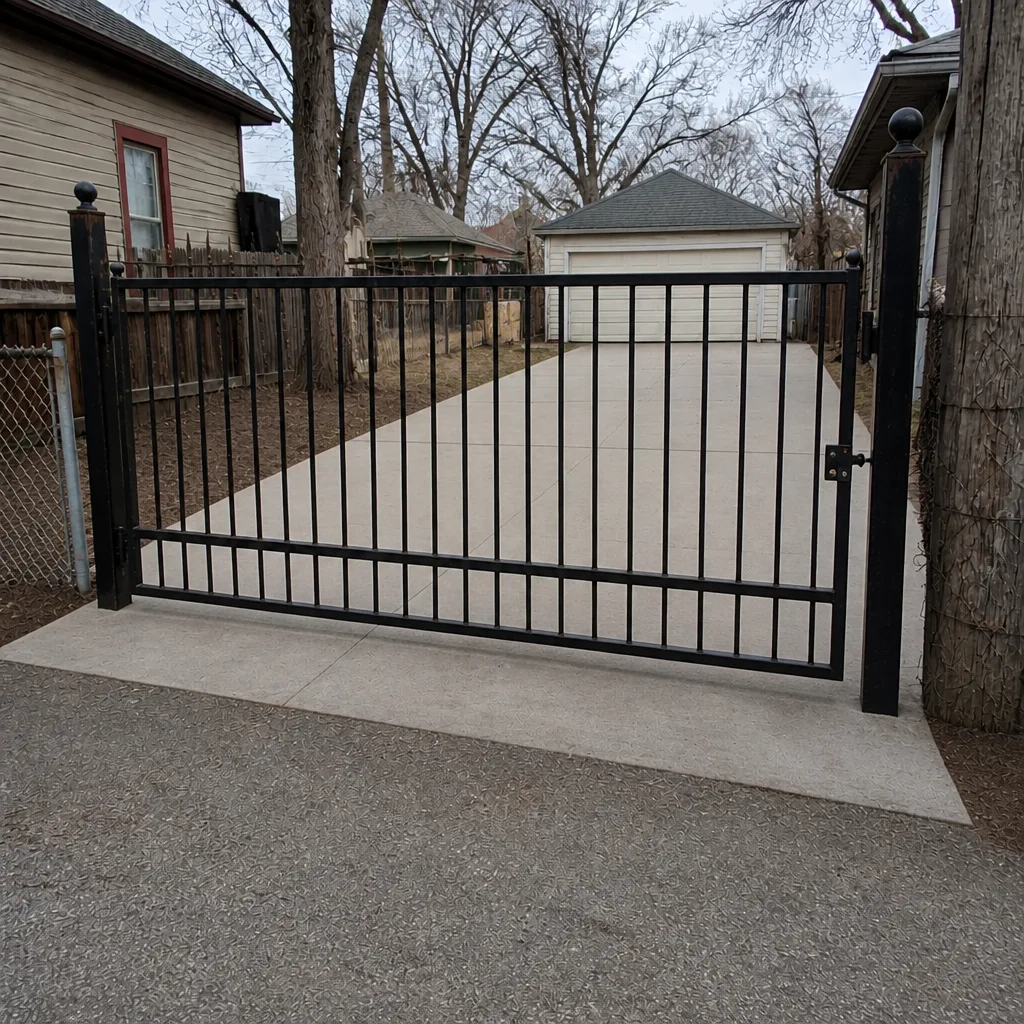 After
When to Call a Professional
Some gate problems are straightforward to identify and some aren’t, but the ones below are all worth a call to a specialist. If your automated gate has stopped responding or lost its programming, if the operator runs but the gate doesn’t move, if the gate reverses on its own, or if a safety edge or access control has stopped working, get a trained technician out. The same goes for a heavy swing gate that’s dropped or binds after a season, a slide gate that’s come off track or jumps its rail, and an operator that keeps tripping or stalling under load. These are the failure patterns that point to control, alignment, or wiring problems a generalist will guess at. Gate Repair Denver offers free estimates in Denver. Call (855) 677-8291. We answer 24/7. Fast dispatch from 7am to 7pm, Sunday through Friday.
Frequently Asked Questions
Ask which operator brands they’re trained on before you describe your problem. If they can’t name at least three major brands quickly – LiftMaster, DoorKing, FAAC, Elite, Viking – they’re likely a generalist. Then ask whether they do fences or garage doors as their main business; a company that leads with gate repair is more likely to be fluent in both the mechanical and electric sides. If you want to skip the screening, call (855) 677-8291 for a free estimate.
Manufacturer training and certification exist for specific operator brands, and that’s the training that matters – it’s brand-level, not a single universal license. Ask which brands a technician is certified to install and program, then confirm the credential with the business directly, since programs and credentials change. There’s no one blanket “gate specialist” license, so the honest question is “certified on what, by whom?”
The estimate should be free and the final price is set per job by the written estimate. We quote and agree on the price before any work starts, so the invoice matches what you approved. Call (855) 677-8291. We answer 24/7. Fast dispatch from 7am to 7pm, Sunday through Friday.
Same-day service is often possible for repair calls, since the failure usually needs diagnosing on site. Call (855) 677-8291 and we’ll set it up. We answer 24/7. Fast dispatch from 7am to 7pm, Sunday through Friday; a call outside dispatch hours is booked into the next opening.
Usually not. Unlike a project with a known scope, gate repair is a diagnosis problem, so three quotes collect three different guesses about what’s wrong. Compare diagnosis quality, brand familiarity, and how specific the scope is instead of price. One well-diagnosed written estimate is worth more than three vague ones.
Watch the safety reversal or obstruction function tested, feel the gate operate manually and on the operator through full travel, and confirm every access method (keypad, fob, remote) works. Ask to see the removed parts and ask for a plain explanation of the fault. If the safety function isn’t demonstrated, the job isn’t finished.
The Bottom Line
Hiring the right gate repair contractor in Denver comes down to screening for a true specialist before anyone touches your system. Ask the brand question first, verify the training that matters, insist on a written itemized estimate, and scope the job so the invoice can’t grow on the driveway. Then hold the walkthrough – including the safety function test – as the real finish line. Price is the last thing to compare, not the first. If you’re ready to have your gate diagnosed by a gate-only specialist, we work on the brand you already own, mechanical and electric systems alike, across LiftMaster, Mighty Mule, Elite, FAAC and other major operators. Call (855) 677-8291 for a free estimate. We answer 24/7. Fast dispatch from 7am to 7pm, Sunday through Friday.
Written by the team at Gate Repair Denver, serving Denver since 2015.