
Last updated November 14, 2026
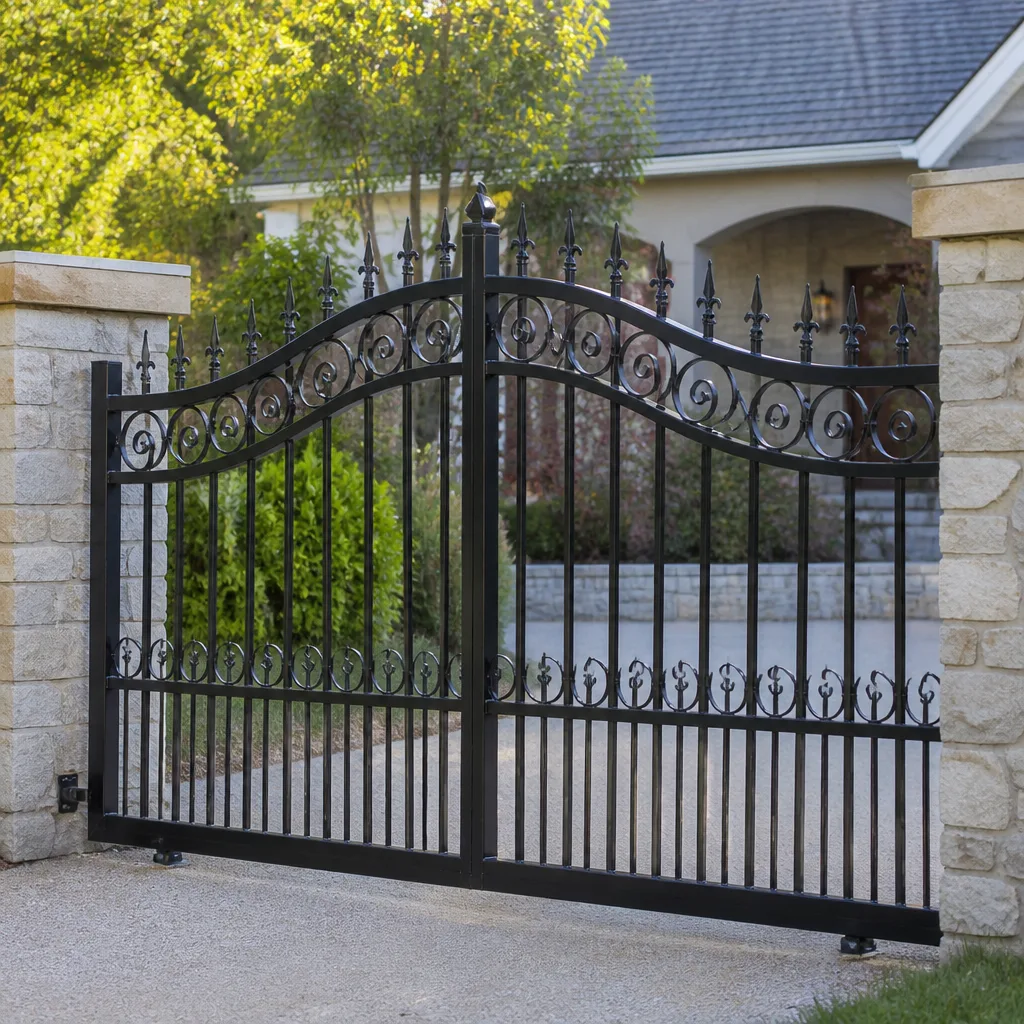 Wrought iron
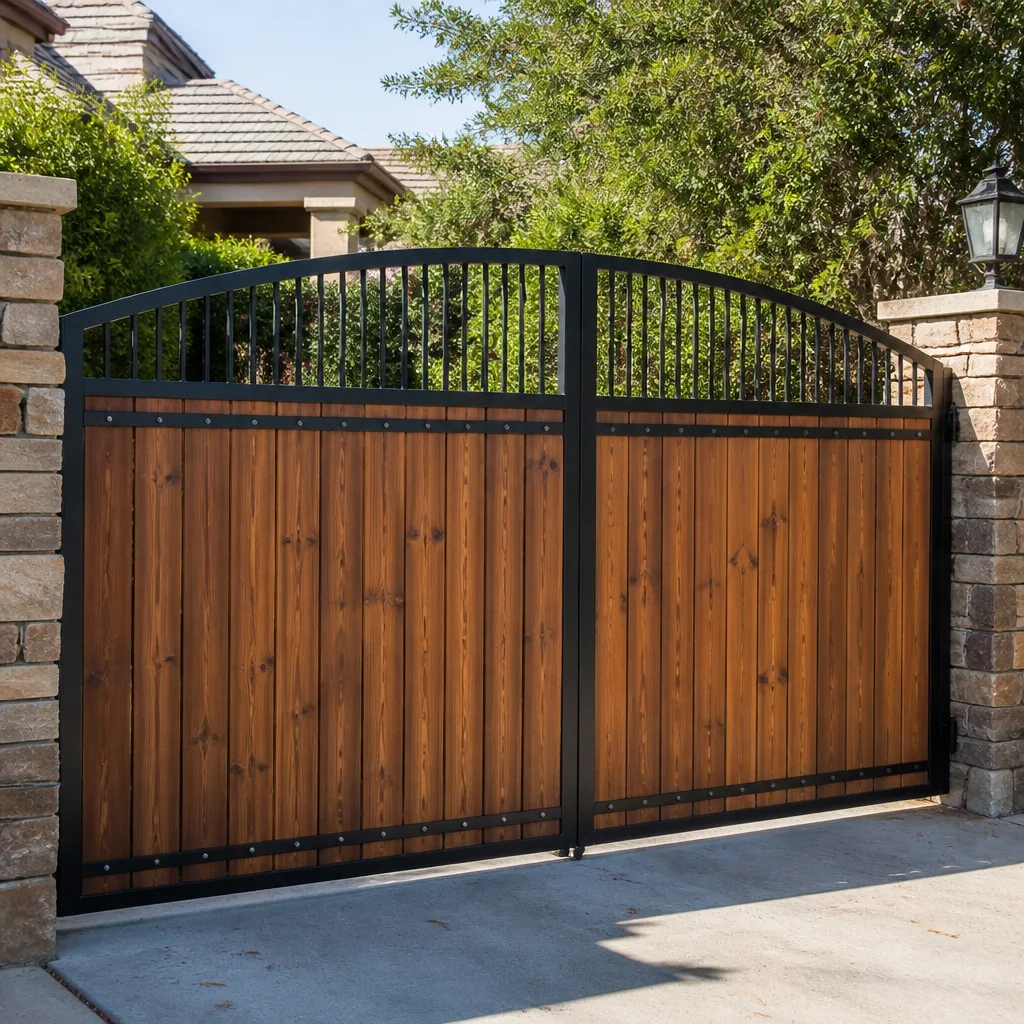 Wood & steel frame
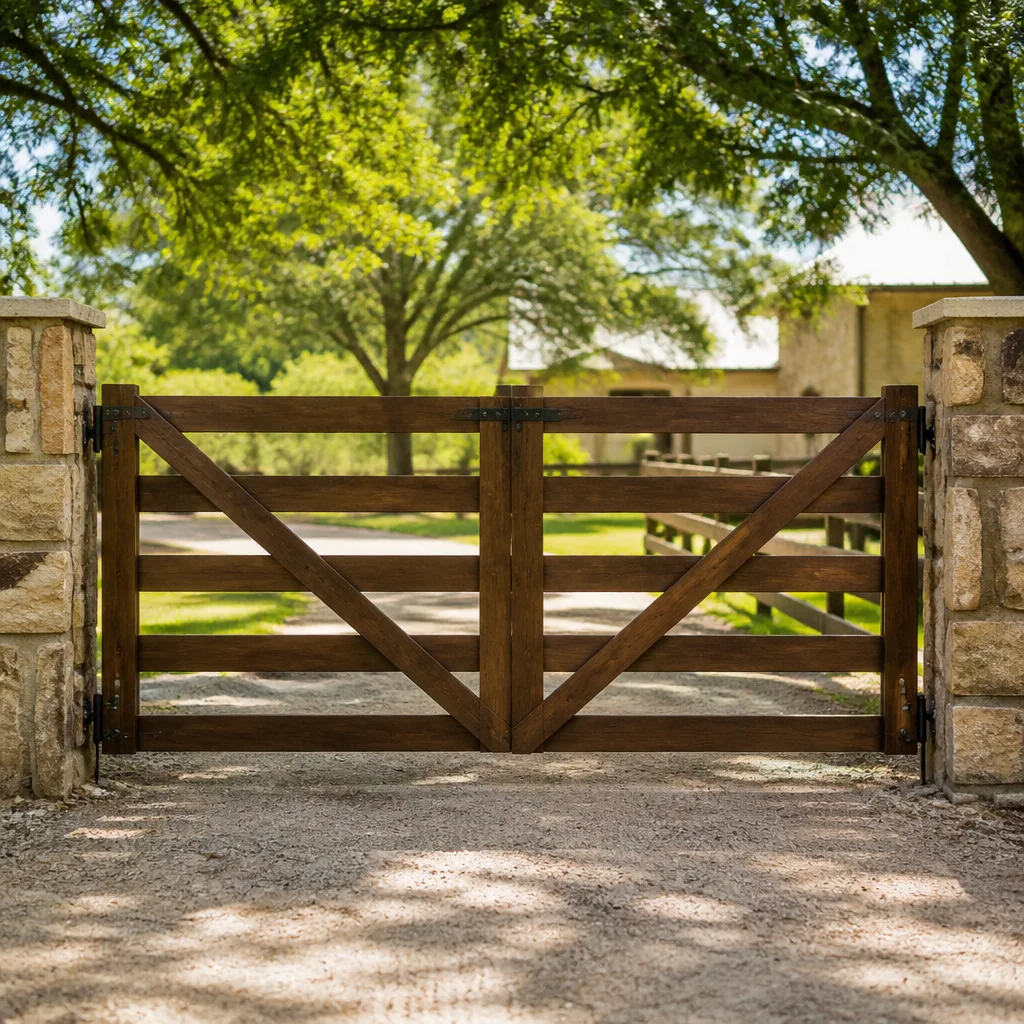 Farm & ranch
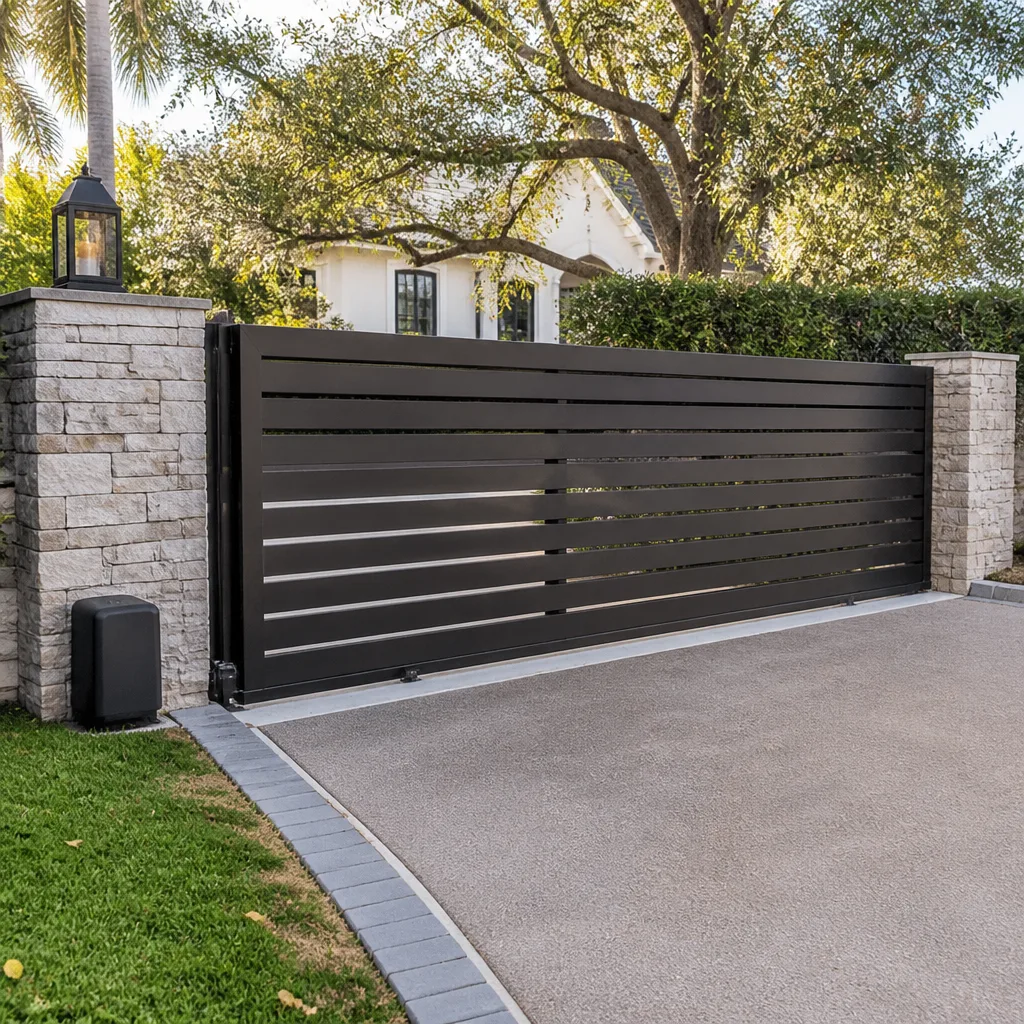 Sliding driveway gates
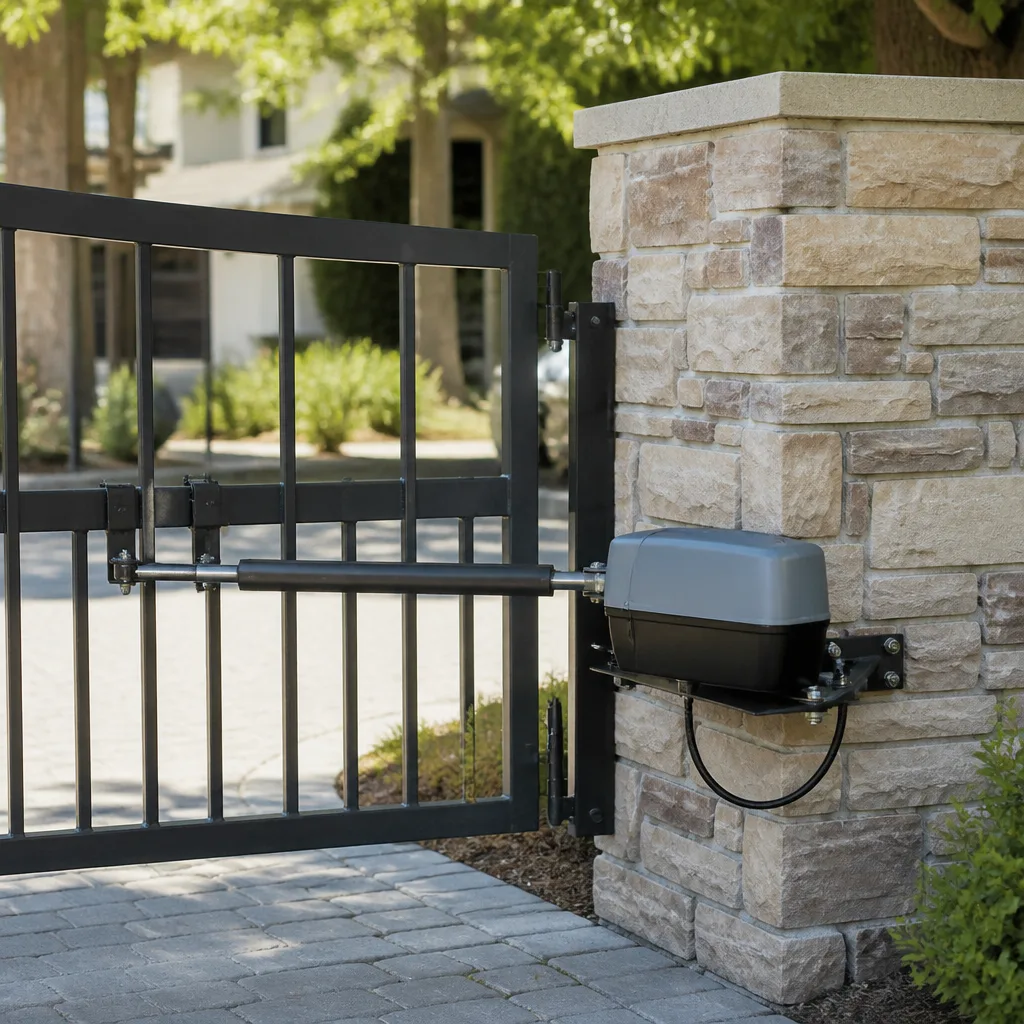 LiftMaster operators
Free on-site gate assessment - hinges, posts, and your LiftMaster or Nice gate operator checked before anything is quoted
The assessment is free and the quote is the invoice.
Get your free estimateSeasonal Gate Repair Care for Denver: Year-Round Homeowner’s Guide
Winter gets all the attention. Homeowners brace for the cold, watch for frozen hinges, and then relax once the snow melts. But in our experience across Denver, the season that quietly does the most damage to gate control boards and wiring harnesses is late summer, when intense afternoon thunderstorms roll through and UV exposure peaks at the same time. A gate that survives a hard freeze without a complaint can lose its programming after one lightning-heavy afternoon. This guide breaks gate care into four distinct seasons, each with its own failure mode, so you’re preventing damage instead of reacting to it. You’ll learn the exact inspection sequence after snowmelt, how to protect exposed wiring during Denver’s high-sun months, which lubricants actually belong on gate hardware, and what normal winter sluggishness looks like compared with an operator about to fail.
Quick Answer
Seasonal gate maintenance in Denver means matching your care to what each season actually does to the hardware: post-snowmelt inspection for freeze-thaw movement in spring, wiring and surge protection in summer, component-specific lubrication in fall, and low-temperature monitoring in winter. One annual checklist misses three of those four windows. A written seasonal log of what you observe shortens every service call because technicians can trace a problem back to the event that caused it.
Styles & brands we work with
- Wrought iron
- Wood & steel frame
- Farm & ranch
- Sliding driveway gates
- LiftMaster operators
Table of Contents
- Why Denver Gates Need Four Different Care Seasons
- Spring After Snowmelt: The Post-Movement Inspection Sequence
- Summer: UV, Voltage, and Lightning Surge Protection
- Fall: Lubrication Specs by Component Type Before the First Freeze
- Winter: Normal Sluggishness vs. Imminent Failure
- Building a Seasonal Log That Speeds Up Every Repair
- Common Mistakes to Avoid
- When to Call a Professional
- Frequently Asked Questions
Why Denver Gates Need Four Different Care Seasons
Most of what you read about gate maintenance assumes a mild climate where the hardware faces one main stressor at a time. Denver doesn’t work that way. A single year here pushes gate systems through freeze-thaw cycles that move posts and stress hinges, intense summer sun that degrades wire insulation, afternoon thunderstorms that send power surges into control boards, and dry cold snaps that change how operators behave. Each season leaves its own signature on the hardware.
That’s the core problem with the once-a-year approach. If you inspect in spring and lubricate everything you can reach, you’ve handled the freeze-thaw damage but left the wiring exposed to a whole summer. If you wait until fall, you’re often lubricating seals that already dried out in July.
Denver’s seasons also hit different parts of the system. Spring and fall are about the gate structure: posts, hinges, frames, and the alignment that keeps a swing gate tracking straight. Summer and winter are about the electrical side: controllers, solar-charged batteries, wiring, and the operator’s behavior in cold. Those are two different skill sets and two different inspection routines. When you separate them, you catch more.
The payoff is real. Gates that get season-matched care need fewer repairs overall, and when something does fail, the problem is usually caught earlier and costs less to correct. For homeowners in Denver, that means treating gate care as four short, focused jobs instead of one big job that never quite covers everything. Our Gate Repair Denver service sees the difference constantly, because the gates that come in for genuine failures tend to be the ones that only ever got a single annual glance.
Spring After Snowmelt: The Post-Movement Inspection Sequence
Freeze-thaw is the single biggest structural force on a Denver gate. Water gets into soil and small gaps, freezes, expands, thaws, and repeats. Over a winter, that cycle can lift a post slightly out of alignment, loosen a hinge bolt by a fraction of a turn, or shift a swing gate’s geometry enough that the operator starts fighting it. None of these are dramatic on their own. Together they’re the leading cause of spring operator failures, because an opener that suddenly has to overcome a misaligned gate will run hot, strain, and eventually quit.
After the last hard freeze, work through this sequence in order. The order matters because each step depends on the one before it.
- Walk the gate by hand through its full swing or slide. Disconnect the operator first if your system allows it. Feel for binding spots, grinding, or a section that’s suddenly heavier.
- Check the posts for movement. Push firmly against each post at ground level. Any wobble or rocking means the footing has been affected and needs attention before you run the gate under power.
- Inspect hinges and pivot points. Look for rust bloom, loosened hardware, bent pins, and sagging at the hinge side of a swing gate.
- Check gate alignment against the catch or receiving post. A gate that used to sit flush and now catches on the edge is telling you the geometry has shifted.
- Test the operator last. Only after the gate moves freely by hand should you re-engage the operator and run a full open and close cycle.
If you find post movement or hinge stress early, correcting it is usually a straightforward adjustment. Left alone, it becomes a burned-out operator motor or a gate that fails entirely. Denver’s spring thaw is the one window where catching these problems is cheapest. Our gate repair team handles this kind of alignment and hardware correction regularly once the ground settles.
Summer: UV, Voltage, and Lightning Surge Protection
Summer is the season most homeowners ignore, and it’s the one that quietly ages your electrical system. Denver’s high-altitude sun is intense, and exposed wiring, junction boxes, and external components bake in UV for months. Meanwhile, afternoon thunderstorms deliver exactly the kind of voltage spikes that control boards are least equipped to absorb. When an operator fails in August, the cause is often something that started in June.
Here’s what deserves attention during the summer months.
- Inspect wire insulation for cracking, fading, or brittleness. UV degrades the outer jacket over time. Any exposed run of wire that feels stiff or looks chalky is a candidate for replacement or protective conduit.
- Check solar-charged systems for voltage drift. High-insolation months can push solar systems to charge harder than the battery expects, and voltage regulation matters. If your gate is powered by a solar setup, note any change in how long the battery holds charge or how often the operator hesitates.
- Add or verify surge protection on the operator’s power feed. A single nearby lightning strike can find its way to a control board through the power line. Surge protection at the feed is cheap compared with a new board.
- After any major storm, run the gate through a full cycle and test every safety feature. A board can lose its programming without failing outright. If the gate opens but the safety edges or the photo-eye no longer respond, you have a programming issue.
- Check battery backups on Ghost Controls and similar systems. Heat shortens battery life, and a backup that’s quietly aged out will leave your gate dead when you need it most.
When an automated system stops responding after a storm, that’s usually a controller or wiring issue rather than a mechanical one. Electric gate repair in Denver covers the diagnosis, and our electric gate repair page explains what the technician checks. The main thing is not to reset a controller repeatedly and hope, because each failed attempt can push a marginal board further toward failure.
Fall: Lubrication Specs by Component Type Before the First Freeze
Fall is when you prepare the gate for cold, and lubrication is the most misunderstood part of that preparation. The default choice for many homeowners is whatever lubricant is sitting in the garage, often a garage door lubricant sprayed onto every moving part. That’s a mistake. Gate hardware isn’t uniform, and the right product depends on the component.
Gate hardware falls into a few categories, each with different lubricant needs:
- Metal hinges and pivot pins: A lithium-based grease or a heavy gear lubricant holds up to metal-on-metal contact and doesn’t run off in cold weather. These points need a coating that stays put.
- Rollers and wheels on slide gates: A medium-weight bearing grease meant for rolling contact. Too light and it migrates; too heavy and it collects grit that wears out the wheel over the season.
- The operator’s drive mechanism: Follow the manufacturer’s specification. LiftMaster, FAAC, BFT, and Linear systems each have their own recommendations, and using the wrong product can void a warranty or damage a sealed component.
- Locks, latches, and other small mechanicals: A dry-film or graphite lubricant that won’t attract dust and won’t turn gummy in cold.
Garage door lubricant is often formulated for the high-speed moving parts of a door system, and it doesn’t necessarily have the staying power a gate needs. A standard spray can leave a light film that washes off in the first wet snow or evaporates as temperatures drop. Instead, work with products rated for exterior use and low temperatures.
Once the mechanical parts are handled, test the whole system under load before winter. Run the gate several times, watch for any hesitation, and note it in your log. If something feels off in the fall, it will feel worse in January, and getting in front of it now beats a mid-winter repair. If you’d rather have a technician confirm the hardware is ready, an on-site estimate is free. Call (855) 677-8291 for Denver scheduling.
Winter: Normal Sluggishness vs. Imminent Failure
Cold changes how operators behave. Greases thicken, batteries lose capacity, and moving parts require more force to start. Some of that is normal winter behavior, and some of it signals a part that’s about to fail. Learning to tell the difference is the most useful winter skill a gate owner in Denver can develop, because it tells you when to call before a gate freezes mid-cycle.
Normal winter sluggishness has a predictable pattern:
- The gate moves slightly slower on cold mornings but reaches full open and full close every time.
- Performance improves as the day warms and worsens again the next cold morning.
- The gate doesn’t stall, reverse unexpectedly, or stop partway through a cycle.
- The operator sounds a little different but doesn’t grind or hesitate in one spot.
Signs of imminent failure look different:
- The gate stalls partway through a cycle, even briefly, then finishes or reverses.
- One part of the travel is consistently harder than the rest, regardless of temperature.
- The operator clicks, hums without moving, or trips its internal limit.
- The gate reverses without an obstruction present.
- The battery or main power struggles to complete a full cycle on cold days.
If you see any of the failure signs, call before you keep cycling the gate. Each failed cycle puts strain on the motor and gearbox, and a gate that stops mid-cycle can freeze in an awkward position that’s harder to correct. This applies to Elite and DoorKing systems just as it does to a manual swing gate. In winter, running a marginal operator harder never helps.
Building a Seasonal Log That Speeds Up Every Repair
A written seasonal log is the single lowest-cost thing you can do to make every future gate repair faster and cheaper. When a technician arrives knowing that the gate started hesitating in late November, that the slowdown worsened after a specific cold snap, and that the operator was already cycling slower under load in October, they can narrow the diagnosis down immediately. Without that history, the technician has to start from scratch, and the customer often can’t remember when the problem actually began.
Your log doesn’t need to be elaborate. A notebook or a document with a few fields per entry does the job.
- Date and weather. Note the date and the conditions. “Hesitated on opening” means something different at 15 degrees than it does at 80.
- What the gate did. Be specific: “stalled at the halfway point,” “safety photo-eye didn’t reverse,” “operator hummed and didn’t move.”
- What you changed or adjusted. Lubrication, battery replacement, a reset, an adjustment to your travel limits.
- What you observed after. Did the change fix the issue, improve it, or make it worse?
- Treating gate care as one annual task. A single spring inspection handles the freeze-thaw damage but leaves the electrical system exposed to a full summer. Denver’s climate creates four different stress windows, and each needs its own pass.
- Spraying garage door lubricant on every gate component. Gate hardware has metal-on-metal points, rolling contact, and sealed operator parts, and each needs a different product. A single spray that’s wrong for two of those categories can leave you with parts that dry out or gunk up.
- Ignoring post movement as a cosmetic issue. A wobbling post is a geometry problem that eventually strains the operator. Fixing it while it’s small is a fraction of the cost of a burned-out motor.
- Forcing the gate through a cycle after it stalls. Repeated forced cycles push a marginal motor toward failure. If the gate stalls, stop and log it.
- Skipping post-storm checks. Denver’s summer storms send voltage spikes through the power line, and a control board can lose programming without visibly failing. Run a full cycle after any significant storm.
- Not keeping any record of behavior changes. Without a log, you can’t tell a technician when the problem started, and diagnosis takes longer.
- Waiting until the gate stops mid-cycle in cold weather. If you’ve noticed the failure signs, calling before the gate freezes in an awkward position is cheaper and faster to resolve.
Keep the log with the gate’s other documents. When you call for service, mention that you have it, because a good technician will use it. This one habit shortens service calls, avoids repeat visits for the same problem, and gives you a factual record of how your system ages. Denver’s climate creates enough seasonal variation that a log quickly becomes the most useful diagnostic tool in the file.
When you do call, remember that we answer 24/7. A call outside dispatch hours is booked into the next opening, Sunday through Friday, 7am to 7pm. Fast dispatch from 7am to 7pm means most gate issues in Denver can get on the schedule quickly once you’ve decided it’s time.
Common Mistakes to Avoid
Across the seasonal care we see, a handful of mistakes show up again and again. Each of them is preventable with a little awareness.
When to Call a Professional
Some gate issues are safe to manage on your own: lubrication, visual inspection, logging what you observe. Others aren’t. Call a professional when the gate stalls mid-cycle or reverses without an obstruction, because those symptoms point to operator or control-board problems that get worse with every forced cycle. Call when you find post movement or hinge stress that a simple adjustment doesn’t correct, since a gate that’s fighting its operator will eventually damage it. Call after a lightning-heavy storm if the safety features stop responding or the operator loses its programming, because those are electrical faults, not mechanical ones. And call before winter sets in if you’re unsure whether the gate will handle the cold, so you’re not diagnosing a failure in the middle of a freeze.
The electrical side of a gate is not a place to experiment. Operator wiring, control boards, and power feeds carry serious voltage, and working on them without the right training and tools is dangerous. Even on the mechanical side, heavy swing and slide gate panels can crush fingers or limbs if they move unexpectedly. A trained technician knows how to isolate the system safely before touching anything. That’s one reason a single-trade gate specialist diagnoses problems faster than a generalist who services a dozen product categories. We focus exclusively on gates, and the electrical systems that run them, which means we know where to check first.
Gate Repair Denver offers free estimates in Denver. Call (855) 677-8291. We answer 24/7. Fast dispatch from 7am to 7pm, Sunday through Friday. Whether your opener stopped responding or your gate won’t move at all, a written estimate sets the price per job before any work starts, so you’ll know the cost before the repair begins.
Frequently Asked Questions
Seasonal maintenance is priced per job after we look at the gate, and there is no single flat fee because the work depends on the system, its age, and what the inspection finds. The estimate is free, and the written estimate sets the final price. Call (855) 677-8291 for an exact quote.
Yes for most of the mechanical inspection and lubrication, provided you disconnect power before touching any moving part and never work on the operator’s electrical components. Anything involving wiring, control boards, or power feeds should go to a technician. Call (855) 677-8291 if you’re unsure what’s safe to check.
Lightning and nearby strikes send voltage spikes through the power line, and control boards are often the first component affected. Typical symptoms are lost programming, safety features that stop responding, or an operator that runs but doesn’t complete a cycle. Call (855) 677-8291 for diagnosis, and don’t reset the board repeatedly.
A cold-weather slow gate reaches full open and full close every time and performance improves as the day warms. A failing gate stalls partway, reverses without an obstruction, or hesitates in one spot regardless of temperature. If it stalls, stop cycling it and call (855) 677-8291.
Usually not. Garage door lubricant is formulated for a door system’s specific moving parts, and it’s often too light for gate hinges and pivot pins, which need a heavier product that holds up in cold. Match the lubricant to the component, and follow the operator manufacturer’s spec for sealed parts. For a Gate Repair Denver estimate on a full seasonal service, call (855) 677-8291.
We service a wide range of name-brand operators, including Viking, Ghost Controls, DoorKing, Elite, LiftMaster, FAAC, BFT, Linear, and Mighty Mule. We work on the brand you already own rather than pushing a specific system. Call (855) 677-8291 to book a free estimate.
The Bottom Line
Gate care in Denver is four jobs, not one. Spring is for post-movement and hinge inspection after freeze-thaw, so alignment problems don’t become operator failures. Summer is for UV protection on wiring, voltage management on solar-charged systems, and surge protection after storms. Fall is for component-specific lubrication, using the right product for hinges, rollers, and the operator’s drive mechanism. Winter is for monitoring, learning the difference between normal cold sluggishness and the signs of imminent failure before a gate freezes mid-cycle. Keep a written log through it all, and every future service call gets faster. Gate Repair Denver has served Denver since 2015. Call (855) 677-8291 for a free estimate. We answer 24/7. Fast dispatch from 7am to 7pm, Sunday through Friday.
Written by the team at Gate Repair Denver, serving Denver since 2015.
See the difference
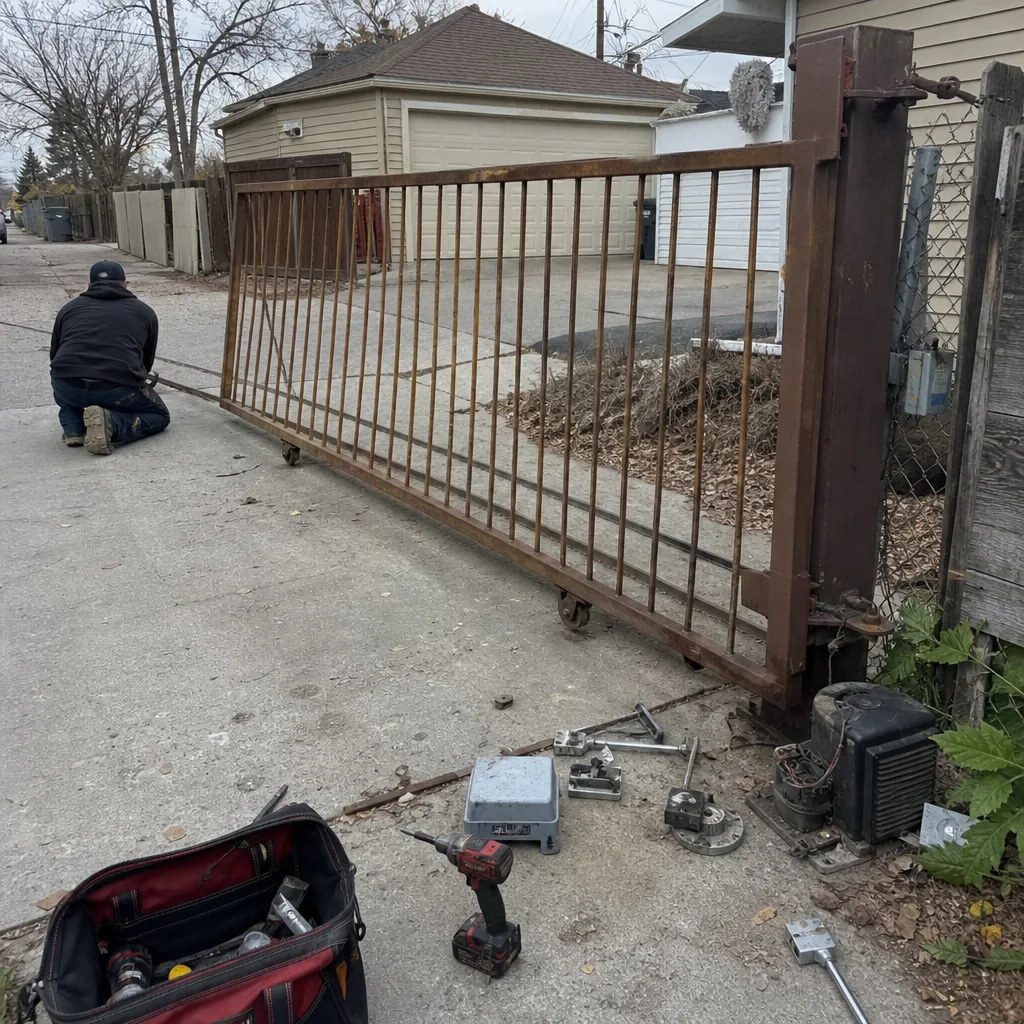 Before
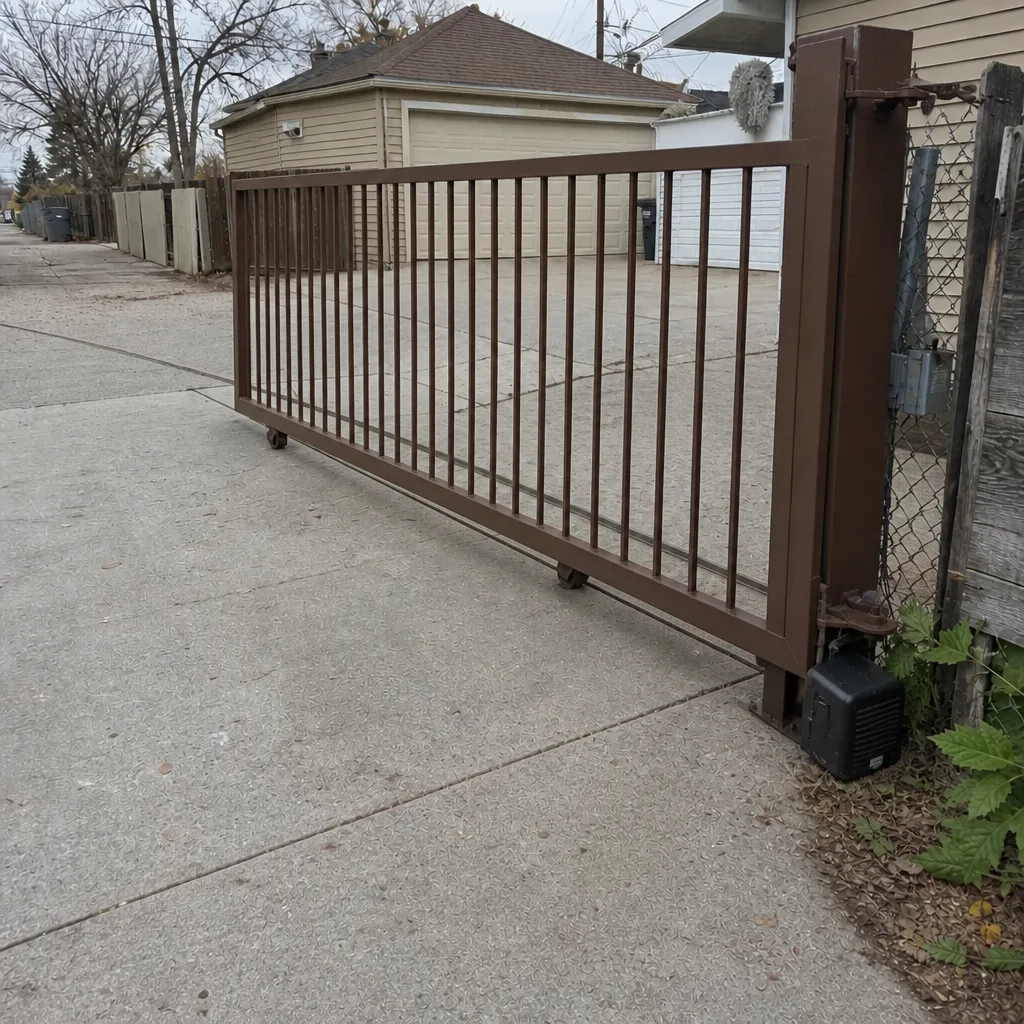 After
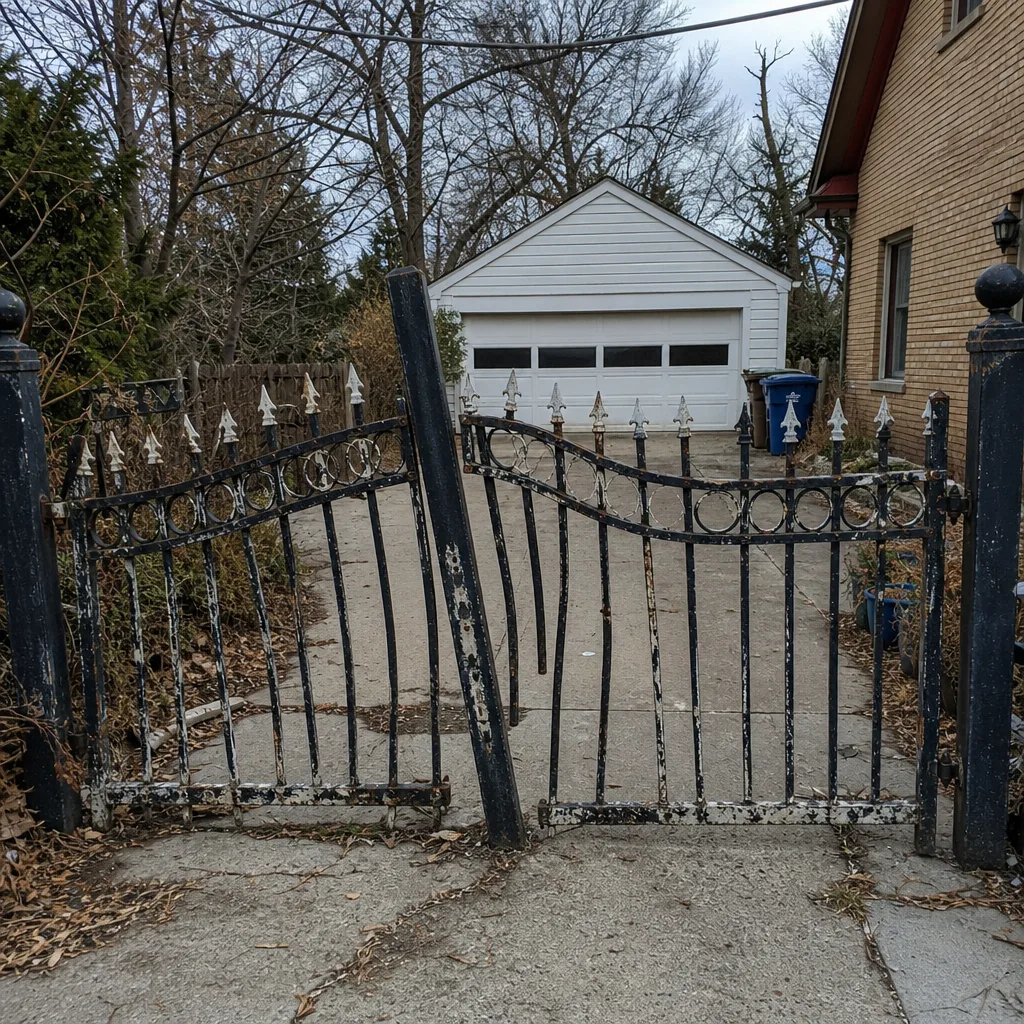 Before
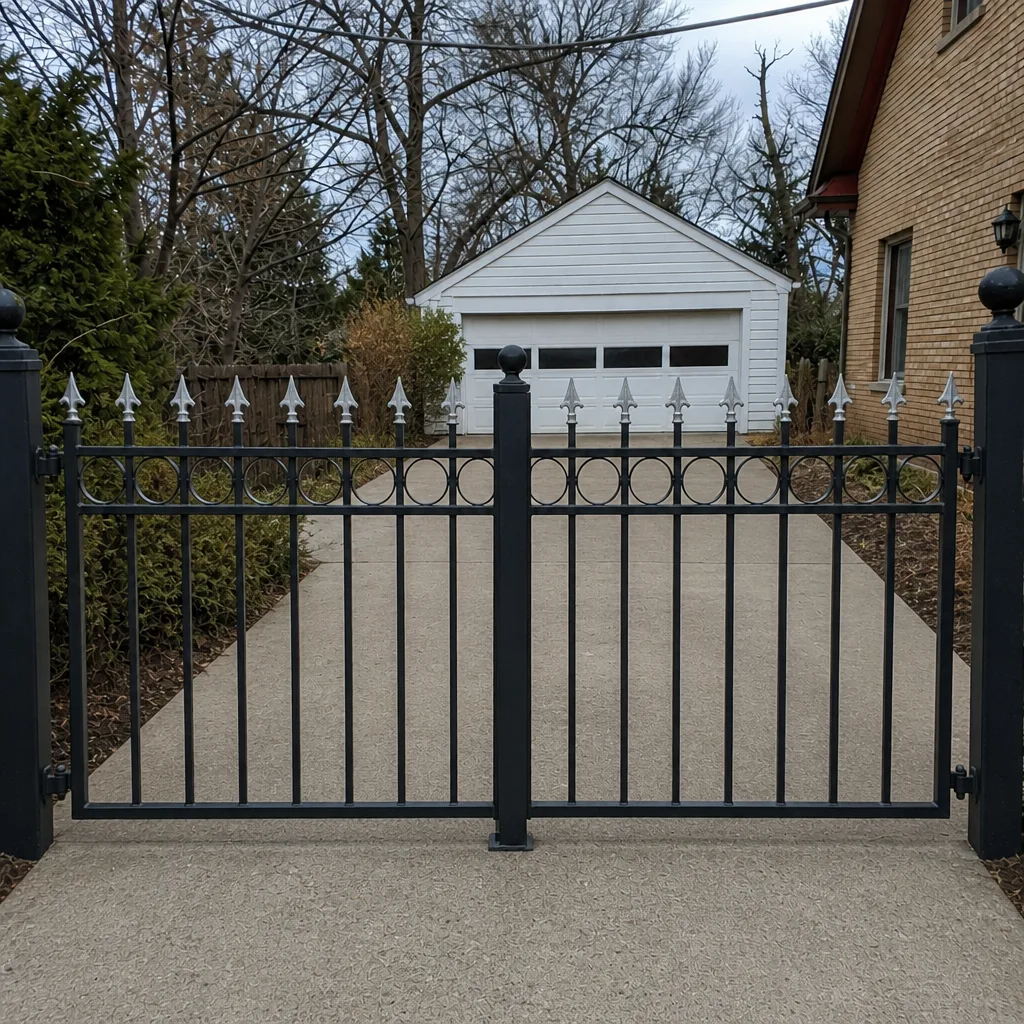 After
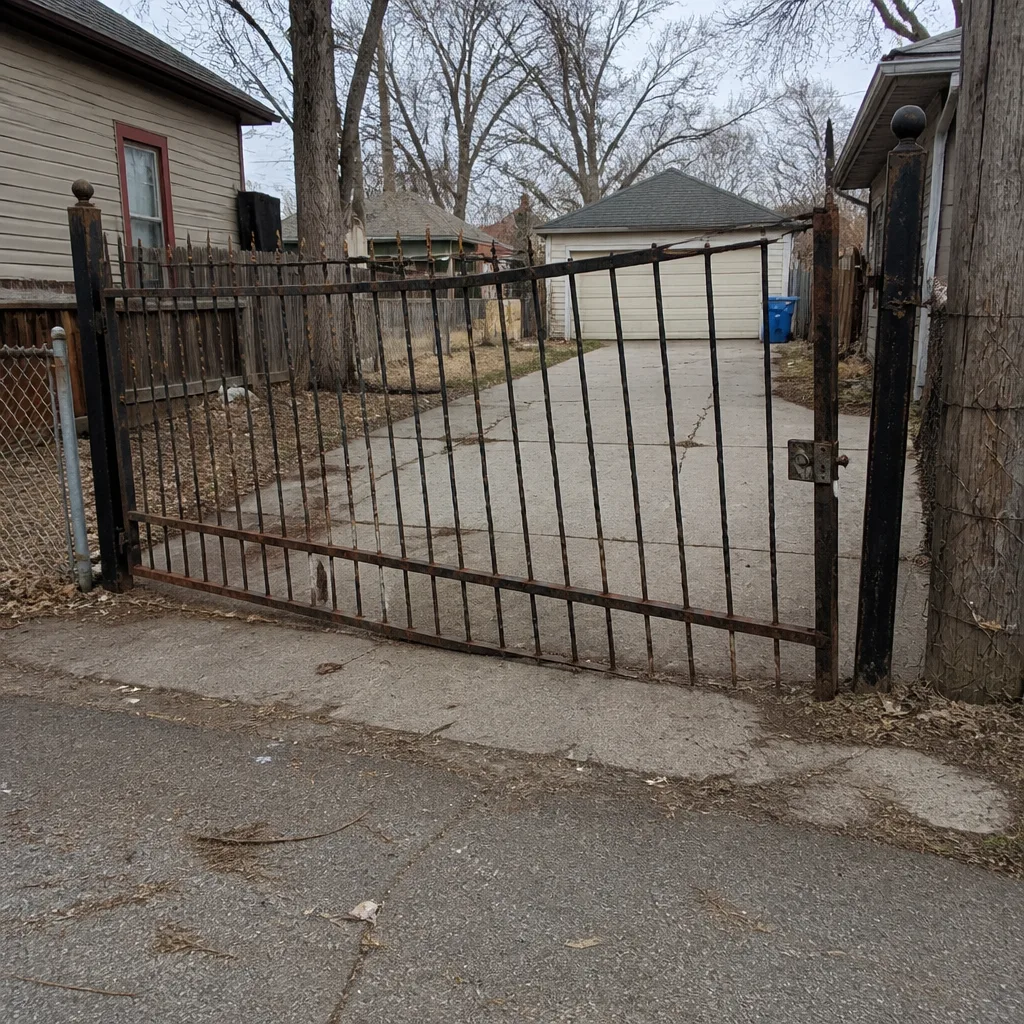 Before
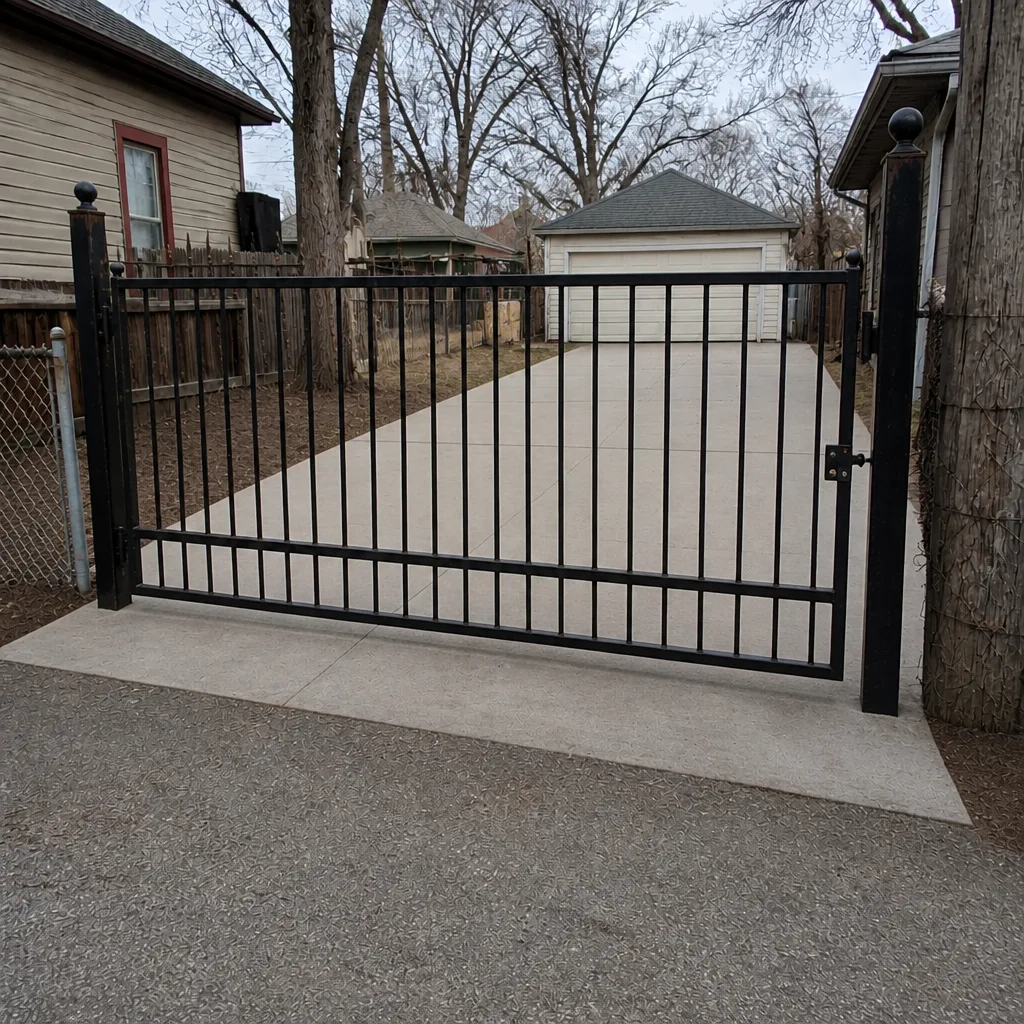 After