
Last updated November 14, 2026
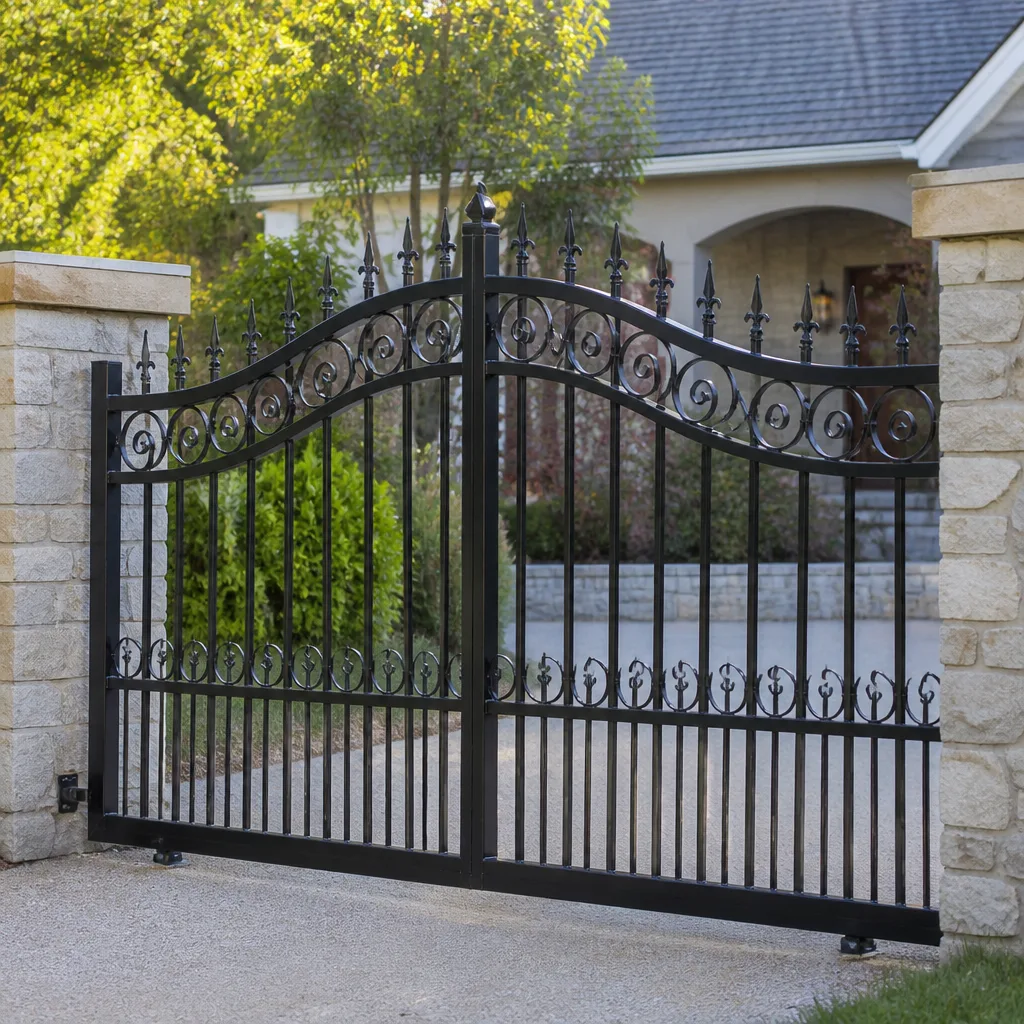 Wrought iron
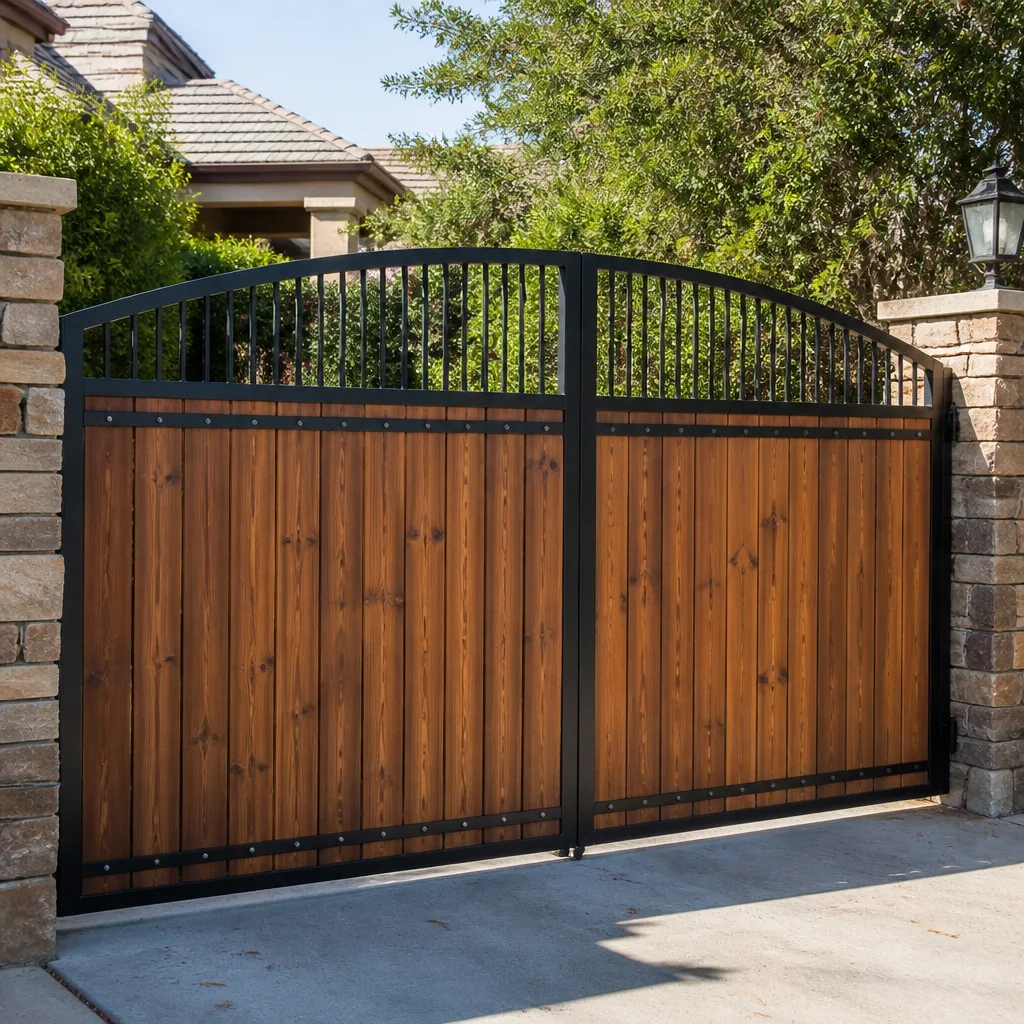 Wood & steel frame
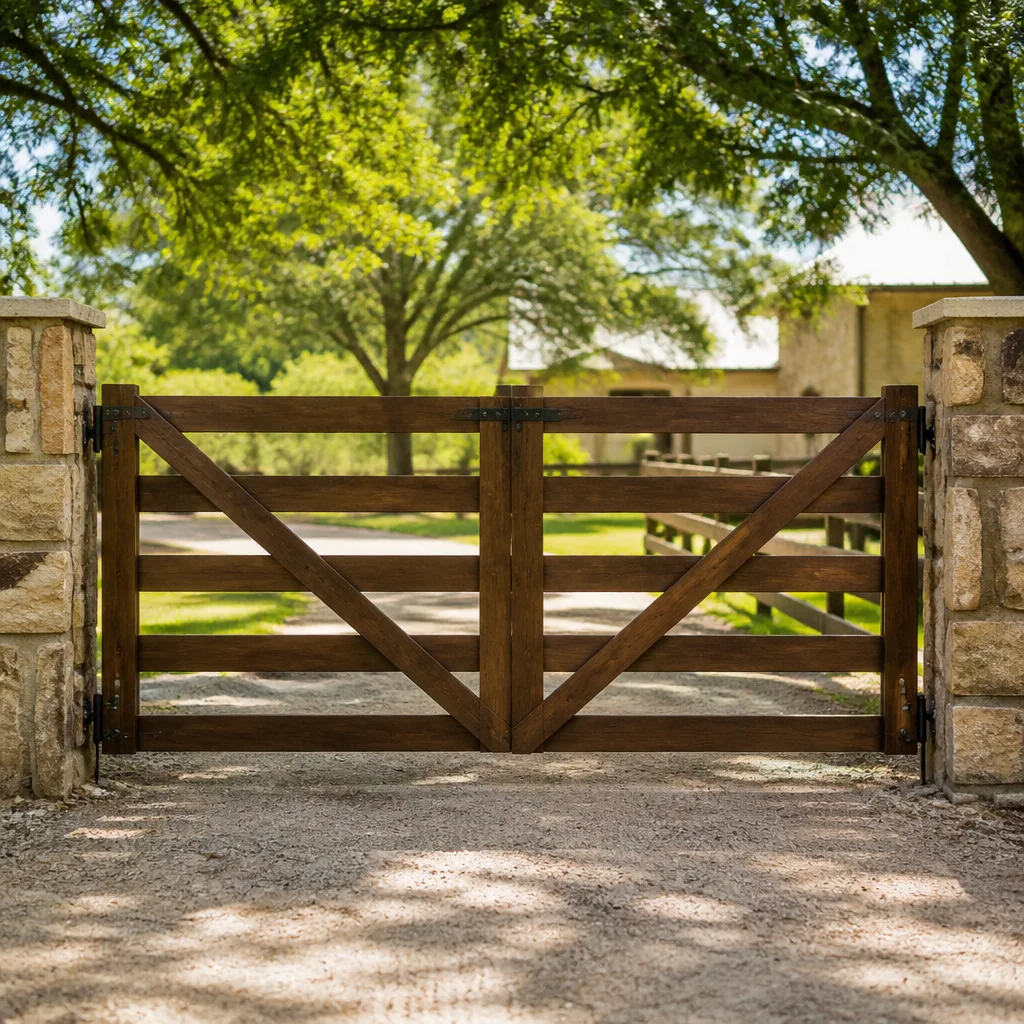 Farm & ranch
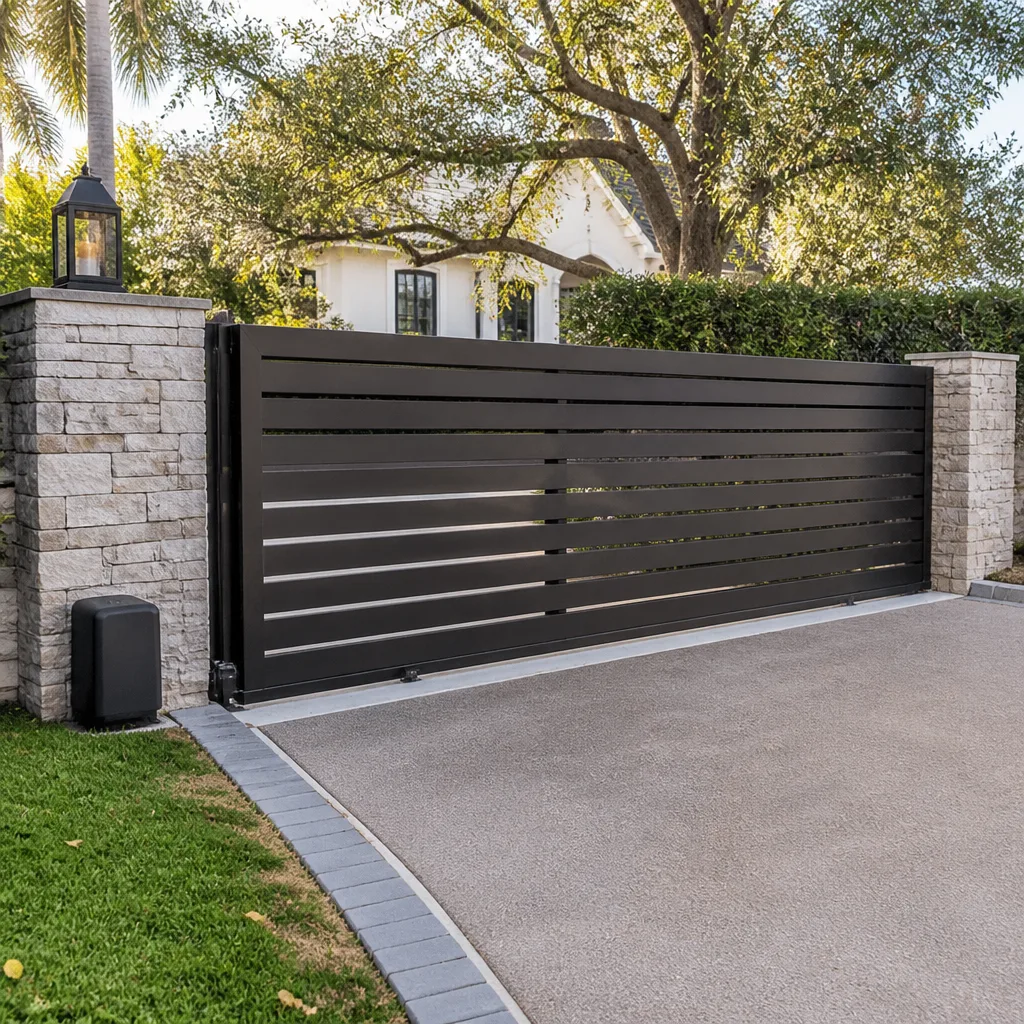 Sliding driveway gates
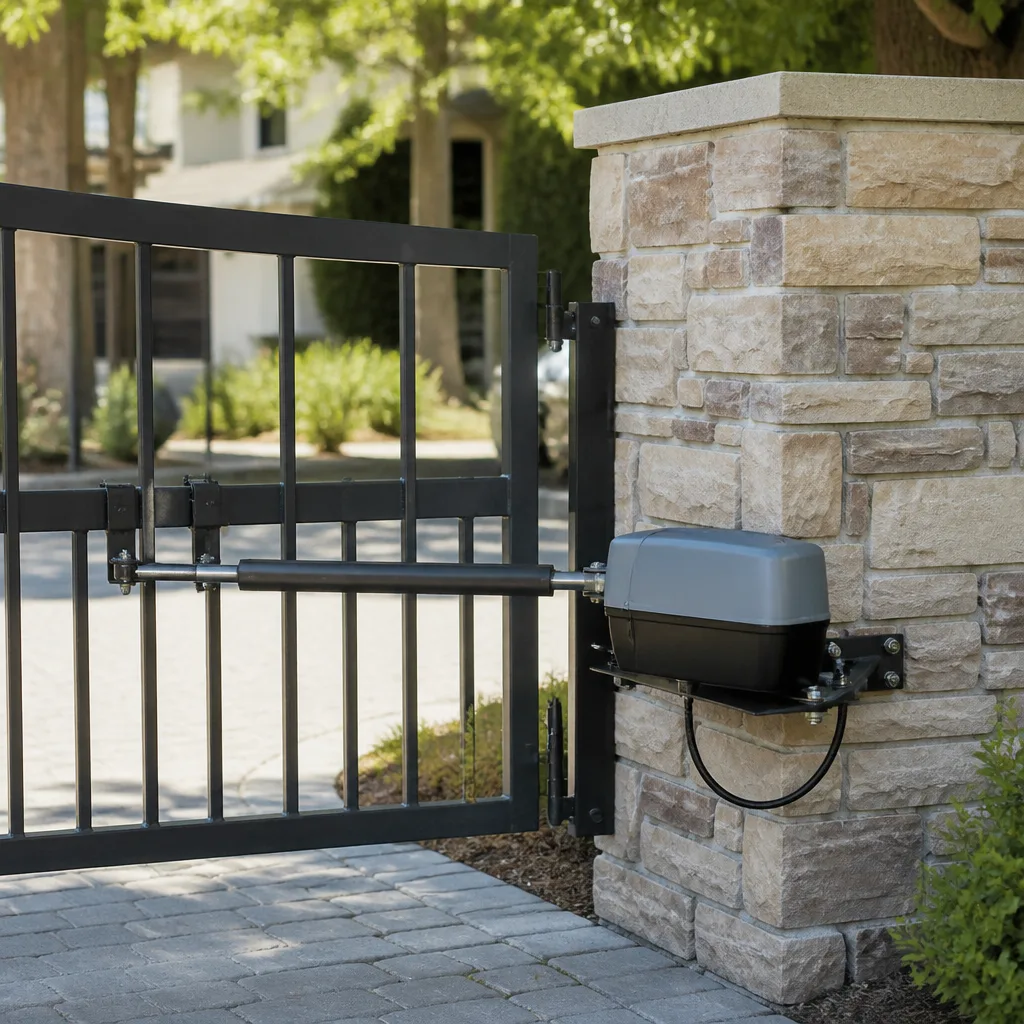 LiftMaster operators
Free on-site gate assessment - hinges, posts, and your LiftMaster or Nice gate operator checked before anything is quoted
The assessment is free and the quote is the invoice.
Get your free estimateGate Repair Cost Breakdown: The Denver Homeowner’s Reference for 2026
The most abused line item on a gate repair quote isn’t the part you can see. It’s the one at the top. A diagnostic fee is charged separately by some contractors and credited toward the repair by others; on the difference between those two approaches, the real cost of a quote can swing by a couple hundred dollars before a single bolt comes out of the toolbox. Most Denver homeowners never ask which one they’re getting, and that’s exactly the point. In this guide we break every common repair into its actual parts cost and its actual labor cost, show you how operator brand shifts the price of the same failure, and give you the tool to read a quote line by line and spot padding before you sign. It’s the reference we wish every caller had before they dialed.
Quick Answer
Gate repair in Denver typically runs $180 to $1,200 depending on what failed, with most common mechanical repairs landing between $250 and $650 and operator or control-board work running higher. The number that matters isn’t the total; it’s whether the quote separates parts from labor and specifies both. A legitimate estimate tells you what part, what brand, how many hours at what rate, and sets the final price in writing before work starts.
Styles & brands we work with
- Wrought iron
- Wood & steel frame
- Farm & ranch
- Sliding driveway gates
- LiftMaster operators
Table of Contents
- Parts vs. Labor: The Ten Common Repairs Priced Out
- Why Your Operator Brand Changes the Price
- How to Read a Gate Repair Quote
- Repair or Replace? The Break-Even Math
- The Diagnostic Fee: Profit Center or Credit
- Denver Climate and What It Costs You
- Electric Gate Repair: Where the Real Money Goes
- Common Mistakes to Avoid
Parts vs. Labor: The Ten Common Repairs Priced Out
A gate repair quote is really two numbers stacked on top of each other. Parts are largely fixed by the operator brand and the hardware. Labor is variable, and it’s where a quote earns your trust or loses it. In our experience across Denver, the repairs below make up the bulk of service calls, and the ranges reflect what you should expect to see in a 2026 estimate. Every range is estimated; the written estimate is what sets the final price.
- Hinge replacement (swing gate): $120 to $350 total. Parts are modest; labor is the bulk because hinges often seize and the gate has to be supported to swap them.
- Roller replacement (sliding gate): $100 to $300. Cheap parts, but a gate that’s been dragging can wear the track too, which pushes the price up.
- Gate sag adjustment and re-hang: $150 to $400. Mostly labor; the fix is realigning the gate to its posts.
- Latch or lock mechanism: $95 to $250. Simple part, quick labor, unless the gate frame is bent and the new latch won’t align.
- Operator control board replacement: $300 to $800. This is where brand starts to matter a lot, because the board is the single most expensive common part.
- Safety edge or photo-eye replacement: $120 to $350. Non-negotiable safety parts, and a common failure after a Denver hailstorm takes out an exposed sensor.
- Operator motor or gearbox: $400 to $1,100. The big-ticket mechanical failure; age and brand drive the range hard.
- Remote reprogramming or receiver swap: $95 to $250. Often more diagnostic than mechanical.
- Wiring repair or power run: $200 to $700. Variable by distance and whether conduit has to be replaced.
- Track or guide rail replacement (sliding gate): $250 to $700. A bent track is a structural fix, not a parts swap.
Read a quote for these repairs and you should see the part named and the hours bounded. If the labor line is a flat lump with no hours attached, that’s not an estimate; it’s a guess with a price tag on it.
Why Your Operator Brand Changes the Price
The same failure on two different operators can price out $150 apart, and it has nothing to do with the technician’s time. It’s the part. A control board for a LiftMaster system and a board for a DoorKing system are not interchangeable, and they don’t cost the same. When a quote looks high, the first question to ask is which part and which brand; the answer explains most of the spread.
We work on the brand you already own, so this isn’t a pitch for one over another. It’s a reality of the market you should understand. On a residential swing system, a Viking or a Ghost Controls control board is generally kinder to the wallet than the equivalent board on a heavier-duty commercial unit. Electric gate repair on a BFT or a Linear system follows the same logic: the parts run from a modest receiver to a full operator board, and the quote should specify which one you’re getting. The failure mode also matters. A board killed by a lightning surge versus one that simply aged out can price the same on parts but demand more diagnostic labor on the surge side, because we need to rule out a wiring fault that would just fry the new board too. That diagnostic step is what separates a fix from a callback.
The takeaway isn’t that one brand is cheap and another expensive. It’s that a quote without a named brand and part number is unauditable. A dedicated gate specialist can tell you exactly which part on your system failed and what that part costs, because gates are the only thing we diagnose. That narrow focus is the difference between your gate being diagnosed and fixed versus guessed at.
How to Read a Gate Repair Quote
Most homeowners get three quotes and pick the middle one, which is not the same as picking the right one. The real comparison is line by line. A quote you can defend has five components, and if any is missing, ask before you sign.
- The part, named and specified. “Control board” is not specific enough. You want the brand and, where the technician has it, the part number.
- Labor, with hours attached. A rate with no hours is a blank check. You want the estimated hours and the hourly rate stated separately.
- A diagnostic line that’s either waived or credited. If a diagnostic fee is charged, the quote should say whether it’s credited toward the repair or not. It’s the single most abused item in the trade.
- No vague “miscellaneous” charge. “Shop supplies” or “Misc.” with a five-dollar amount is noise. A vague charge with a large amount is padding. Either way, ask what’s in it.
- A final price stated in writing, agreed before work starts. The estimate sets the price. If the technician finds something else mid-job, that’s a conversation and a new written number, never a surprise on the invoice.
A common red flag on Denver quotes is the labor line that says “per job” with no hours, which means you have no ceiling and no basis to compare. Another is a bundle of parts with no individual prices, so you can’t tell whether you’re paying for one board or three. In our experience, the cleanest quotes are the easiest to read; padding hides in fog. If a contractor gets irritated when you ask what a line item covers, that’s your answer about the quote.
Repair or Replace? The Break-Even Math
The worst financial decision in gate ownership is replacing an operator that just needed a part, and the second worst is pouring money into one that’s on its last legs. There’s a break-even point, and a good technician should walk you through the math openly rather than pushing you toward the bigger invoice.
The math works on two axes: the age of the operator and the type of failure. Mechanical failures like a worn gearbox on an operator that’s otherwise healthy are usually worth repairing. Repeated electronic failures on an aging board are a different story, because each fix is a bet against the next failure, and the parts add up toward the cost of a new unit. The rough test we use is whether the repair cost lands above half the price of a new operator. If it does, and the unit is well into its service life, the repair is hard to justify unless the operator is still performing well otherwise. If it’s below, repair usually wins.
Two more factors shift the break-even point. First, brand and part availability: a system still supported with current parts stays repairable longer than one where the board is getting scarce. Second, the whole gate, not just the operator. A heavy, well-built swing gate can outlast several operators, so the operator is the only thing being weighed. A gate with bent frame or failing posts changes the equation entirely, because the hardware around the operator is now part of the cost.
The right answer is the one your technician can explain with your specific gate and operator in front of them. From manual swing gates to fully automated electric systems, the decision is the same: repair when the part cost and age support it, replace when the math tips and the operator is no longer reliable. Both paths are on the table here, because we handle repair and installation; we’re not steering you toward one invoice.
The Diagnostic Fee: Profit Center or Credit
A diagnostic fee is the amount charged to send a technician out to identify the problem. Whether it’s credited toward the repair is the whole ballgame, and most homeowners find out after the fact. Some contractors use it as a profit center: they charge it, diagnose, then charge the full repair on top, and the fee is never applied. Others credit it, so the money you paid to find the problem comes off the fix.
What’s a fair structure? The honest answer is that a diagnostic fee should be transparent on the front end, applied toward the repair if you go ahead, and stated in writing before the visit. If it isn’t, ask. This is a free estimate market in Denver. That means the estimate itself costs nothing and the price is set per job by the written estimate. A contractor who can’t tell you whether the diagnostic is credited is a contractor you should probably skip, because the fee is small and the pattern of ambiguity usually isn’t.
One thing the diagnostic fee buys you is real diagnosis rather than guesswork. When a gate won’t move, the problem could be the operator, the control board, the wiring, the safety edge, or the gate itself binding. A gate-only specialist runs through those in order and tells you which one it is, because installing a new board on a gate that won’t travel is a waste of your money. That’s the value of the diagnostic: not the visit itself, but not paying for the wrong part.
Denver Climate and What It Costs You
A gate in Denver lives under conditions that wear on it in specific ways, and knowing which failures are climate-driven helps you catch them before they cost more. The freeze-thaw cycle alone works on hinges, rollers and posts all winter, because moisture gets in, expands, and loosens hardware. That’s a big part of why sag adjustments and hinge replacements are so common here. The Metro area also sees hail that can take out an exposed sensor or a photo-eye mounted where it catches the ice.
From a cost standpoint, the practical advice is to think about gate maintenance as something you do once, after the weather has done its worst, rather than a subscription. A single visit to re-tighten hardware, inspect the safety edge and check track alignment before a problem shows up costs less than the repair after a gate has been dragging on a stressed track for weeks. When you call for a repair, the technician should be looking at what the season did to the gate, not just at the symptom you called about.
The dry stretches matter too, because they don’t remove the problem; they just change it. If you’re new to Gate Repair Denver, the pattern is worth internalizing: our seasons set the failure calendar, and a repair done now is cheaper than the escalated version of it in six months. That’s not a scare tactic; it’s just how the climate treats hardware.
Electric Gate Repair: Where the Real Money Goes
On a powered gate, the invisible parts drive most of the bill. A homeowner gets a quote for “the motor” when the real problem is a control board, a wiring fault, or a safety edge that’s tripping the system. Gate repair on an automated system is a diagnostic skill first and a parts swap second, and the difference between those two shows up as cost.
Here’s where the money goes on an electric system, in rough order of how often we see them:
- Control board: the most expensive common electronic part and the most common source of a gate that “stopped responding” to remotes.
- Safety edges and photo-eyes: low in part cost, high in real safety, and a frequent hail casualty.
- Wiring and power: variable by length and whether conduit needs replacing, which is why this number should always come with a scope.
- Operator motor and gearbox: mechanical wear, and the biggest single-item cost after a board.
- Receiver and remotes: a quick fix with a modest part cost, often all that’s needed after a lost-programming episode.
On the safety question, we don’t cut corners or hand a homeowner a step-by-step to do it themselves. The dangerous parts of a powered gate are the operator’s power and wiring and the heavy panel that can crush. A safety edge that’s disabled or a photo-eye that’s misaligned is exactly the kind of thing that needs a trained technician, not a weekend project. We work with insurers when a claim is involved, and we write the estimate so you can read it honestly. If the quote doesn’t separate board, motor and wiring, ask why, because that’s where the real money is and where honest contractors separate themselves.
Frequently Asked Questions About Gate Repair Cost in Denver
Typical gate repair in Denver runs $180 to $1,200, with most common mechanical repairs between $250 and $650. Operator and control-board work pushes toward the top of that range. The written estimate sets the final price before work starts. Call (855) 677-8291 for an exact quote, because estimates are free.
Because parts aren’t interchangeable and they don’t cost the same across brands. A control board for one system can run a couple hundred dollars more than the equivalent part on another, and the quote should always name the part and the brand. We service LiftMaster, FAAC, BFT, Linear, Viking, Ghost Controls, DoorKing, Elite and Mighty Mule systems, so we can price the actual part on your gate, not a generic average.
A diagnostic fee is common, and a fair one is credited toward the repair or stated up front as not credited. The red flag is a fee that’s charged with no explanation and never applied. Estimates are free, so ask before the visit what the fee buys and whether it comes off the repair. Call (855) 677-8291 to get that in writing.
Not necessarily. A gate that won’t move can fail at the operator, the control board, the wiring, the safety edge, or the gate hardware itself. A gate-only technician diagnoses which one before quoting a part, because replacing an operator that wasn’t the problem wastes your money. That diagnostic step is what fast, correct quotes are built on.
The rule of thumb is whether the repair lands above about half the price of a new operator. If it does, and the unit is well into its service life, replacement starts to win. If it’s below, repair usually wins. A good technician will walk you through both numbers honestly, and we do repair and installation, so both options are on the table.
Yes. We offer free estimates across Denver and the surrounding area. We answer 24/7, and dispatch runs from 7am to 7pm, Sunday through Friday. Call (855) 677-8291 to get your gate on the schedule.
Common Mistakes to Avoid
- Picking the middle quote by reflex. The middle number isn’t the safe choice; it’s just the middle. Read all three line by line and pick the one that specifies parts and hours.
- Not asking whether the diagnostic is credited. A two-hundred-dollar swing hides in that one question, and a fair contractor will put the answer in writing before the visit.
- Paying for a part with no brand or number. If the quote says “board” and nothing else, ask which board. A quote you can’t audit is a quote you can’t trust.
- Authorizing a “miscellaneous” add-on. A large vague charge is padding. Make the contractor name it or remove it; the estimate is supposed to be a real number.
- Letting a dragging gate sit through a Denver freeze. A gate that’s binding on its track will cost more once the frost gets into the hardware. Fix the drag before it becomes a hinge and track job.
- Replacing an operator without diagnosing the control board. A dead gate is often a board, not a motor. Paying for a full operator when a board would fix it is the most expensive mistake on this list.
- Accepting a final invoice larger than the quote. In a fair arrangement, the written estimate is the price. If the bill is higher, demand an itemized explanation of what changed and why it wasn’t a second written estimate.
See the difference
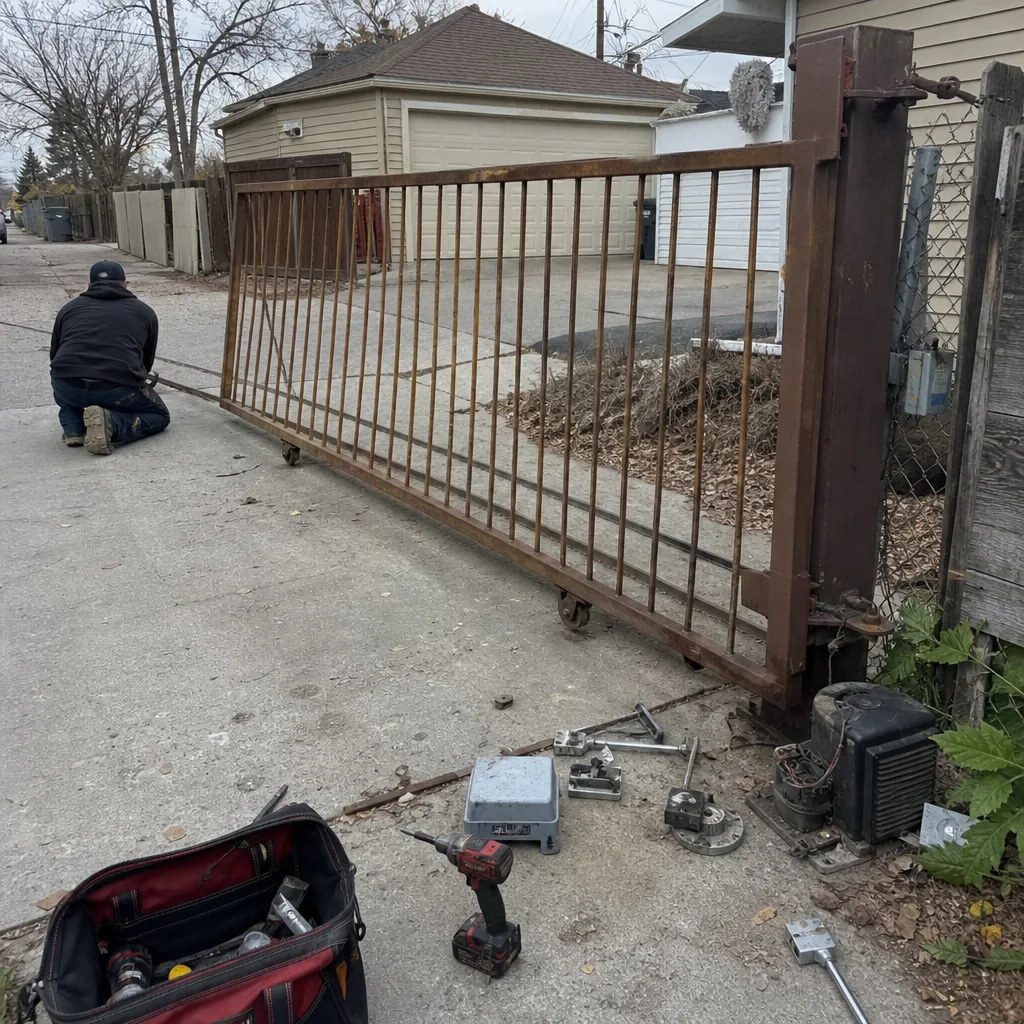 Before
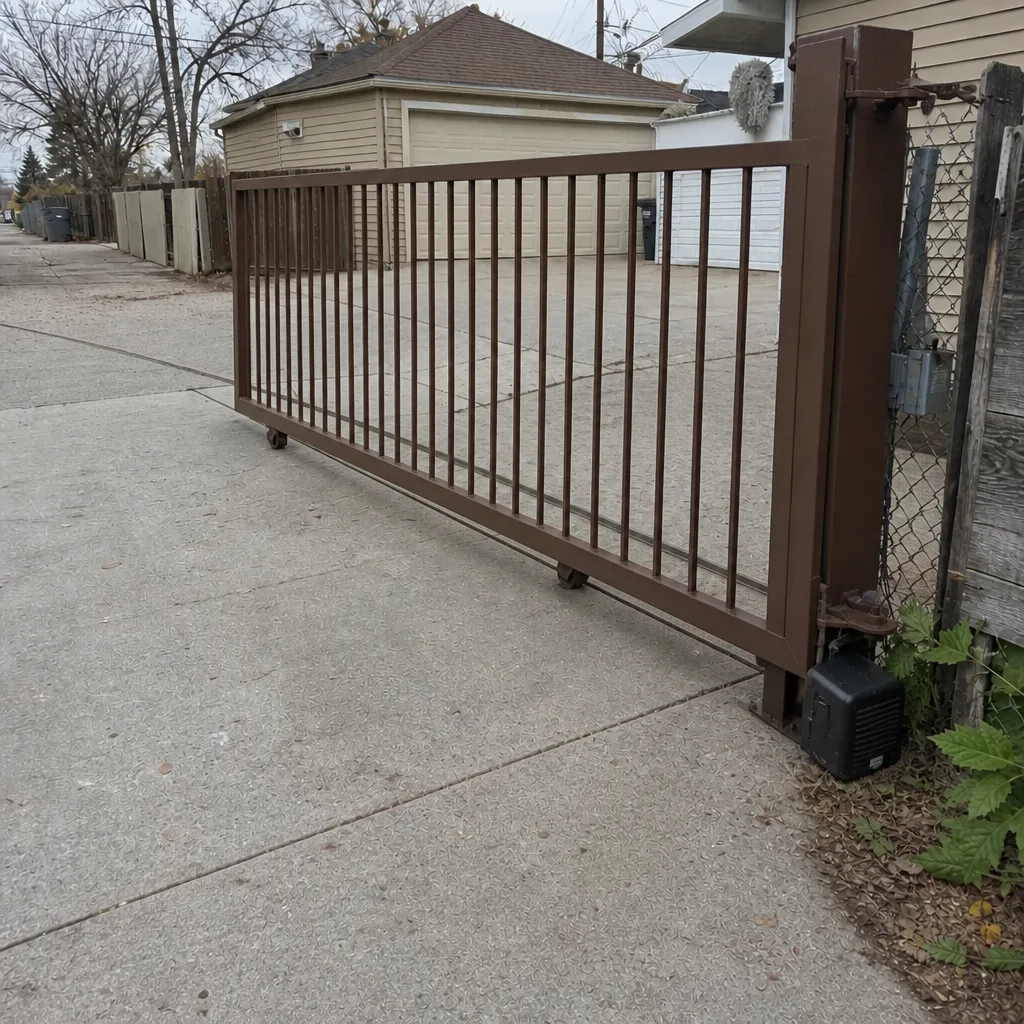 After
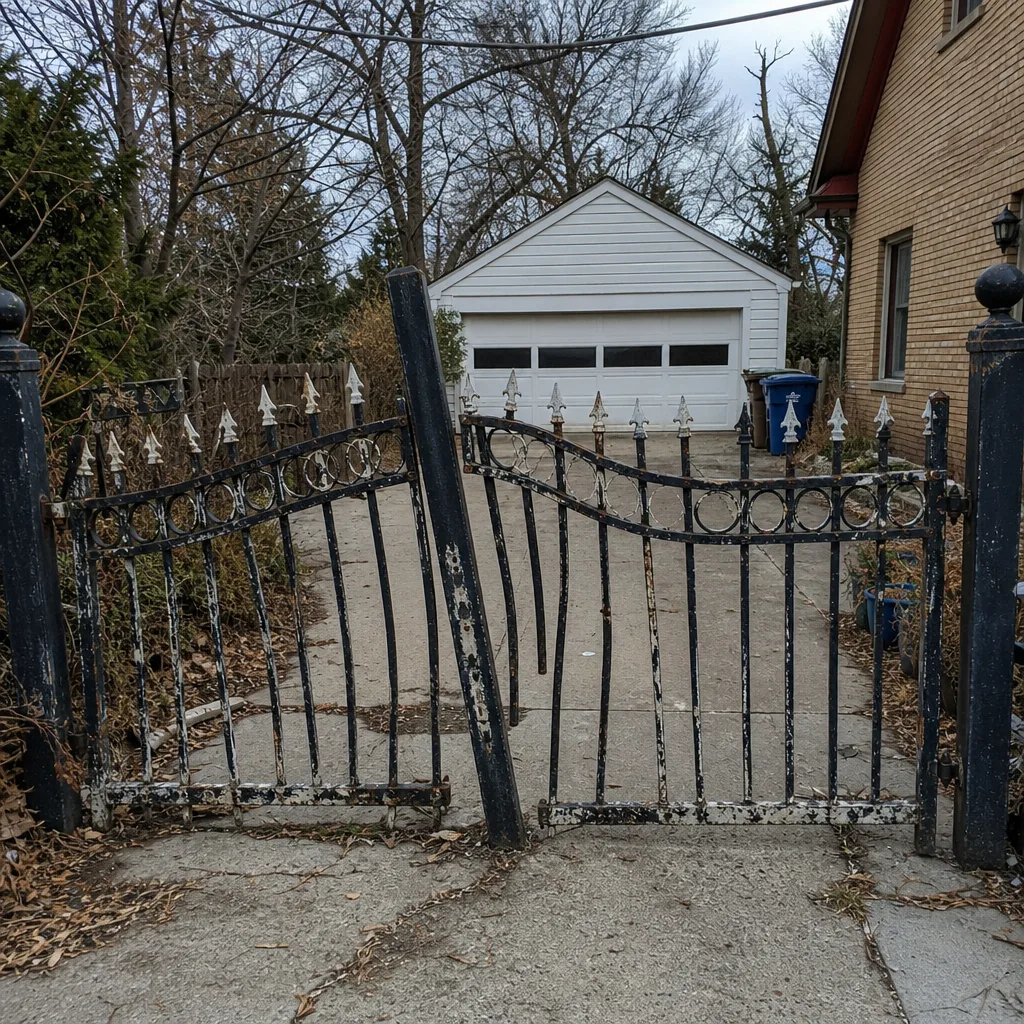 Before
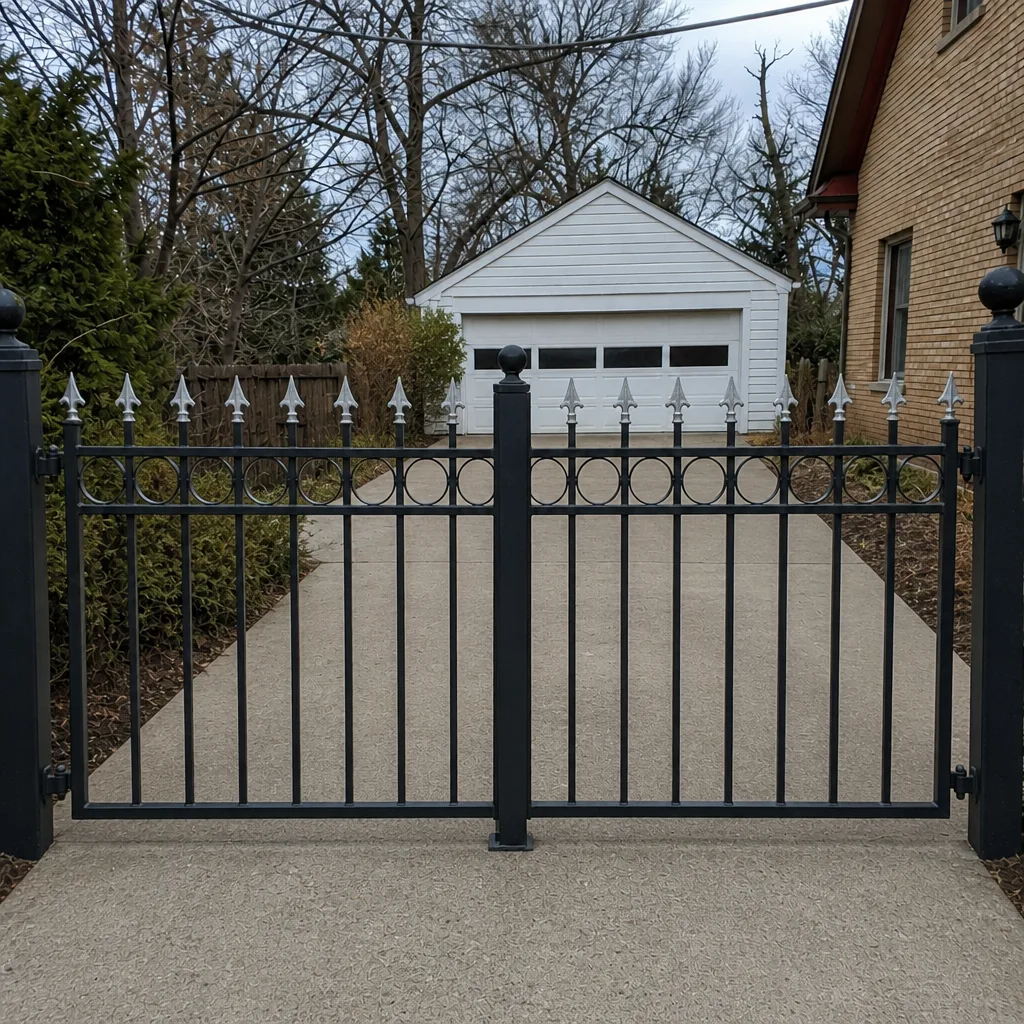 After
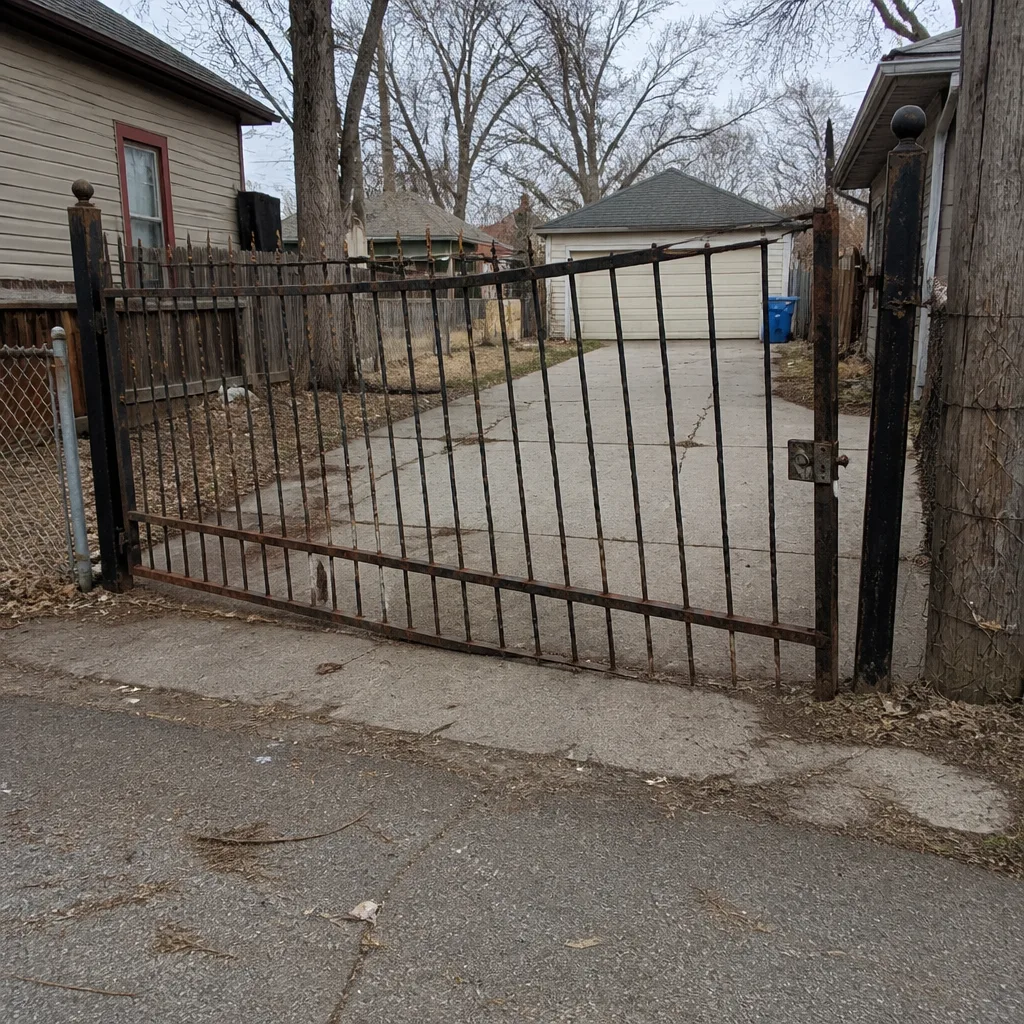 Before
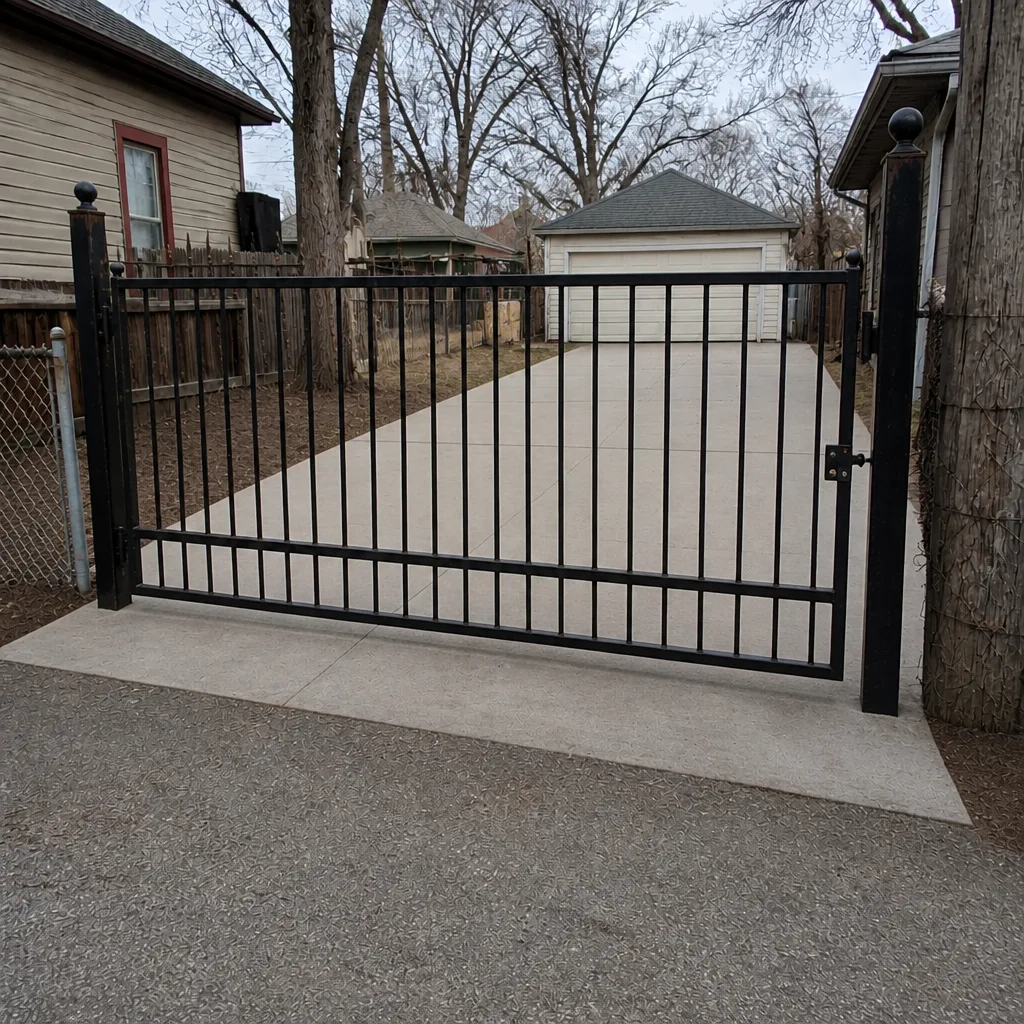 After
When to Call a Professional
Some fixes are a technician’s job for good reason. Any time a powered operator stops responding, loses its programming, or trips a safety edge, that’s a call, because the wiring and the heavy panel are the dangerous parts and a trained professional is the right person on them. A gate that won’t move at all, a dragging slide gate, a hinge that’s seized or a sagging swing gate that’s wearing its posts are all cases where an on-site diagnosis saves you money against guessing at parts. In Denver, where the freeze-thaw cycle does real work on hardware, the earlier you call, the smaller the repair. Gate Repair Denver offers free estimates in Denver; call (855) 677-8291. We answer 24/7. Same-day service is often available. The written estimate sets the final price, agreed before work starts.
Frequently Asked Questions
Any work that involves wiring or electrical connections to a gate operator should comply with local rules, and most cities require a permit for that kind of electrical work, so ask the City and County of Denver about your specific project. Mechanical repairs and adjustments typically don’t. When a project touches power, we point you to the permit question rather than guess, and the estimate reflects only the gate work.
Electric gate repair generally costs more because the parts are more expensive and the diagnosis takes longer. A manual gate hinge or latch repair often lands under $350, while an operator control board can run $300 to $800 on its own. The written estimate sets the final price. Call (855) 677-8291 for an exact quote; estimates are free.
A full installation covers the hardware, mounting and alignment, the power run and safety edges if it’s automated, and programming of the operator and remotes. It’s not a same-day job; installation is measured, parts are ordered, and it’s scheduled. A free on-site measure and a written price come first, so you know the full scope before anything is ordered.
Yes. Power runs, safety edges and photo-eyes are part of an electric gate installation and part of an electric repair. Those are the components that carry real safety weight, and we treat them as core work, not extras. The estimate lists them separately so you can see exactly what the power and safety side costs.
No. Gates and garage doors are different systems with different parts, and a garage-door shop isn’t a gate specialist. Comparing the two will mislead you. Get your gate quote from someone who works on gates and your operator brand, and the parts and labor lines will actually line up with what’s on your property.
Often it isn’t. A remote that lost its programming or a receiver that failed is a modest repair, while a failed control board is the more expensive version of the same symptom. That’s why the remote, receiver and board get checked in order before any part is quoted. Call (855) 677-8291 to get it diagnosed; estimates are free.
The Bottom Line
Gate repair cost in Denver comes down to two things you can control: how the quote is written and how the diagnosis is done. Ask for the part, the brand, the hours, and the final price in writing; ask whether the diagnostic is credited; refuse vague charges; and get the gate diagnosed by someone who works on gates, not a generalist. Do that and you’ll never pay for the wrong part or the round-number guess. Repair and replacement both stay on the table when you hire a specialist, which is the honest position. Call (855) 677-8291. We answer 24/7. Fast dispatch from 7am to 7pm, Sunday through Friday. The estimate is free, and the price is agreed before we touch your gate.
Written by the team at Gate Repair Denver, serving Denver since 2015.