
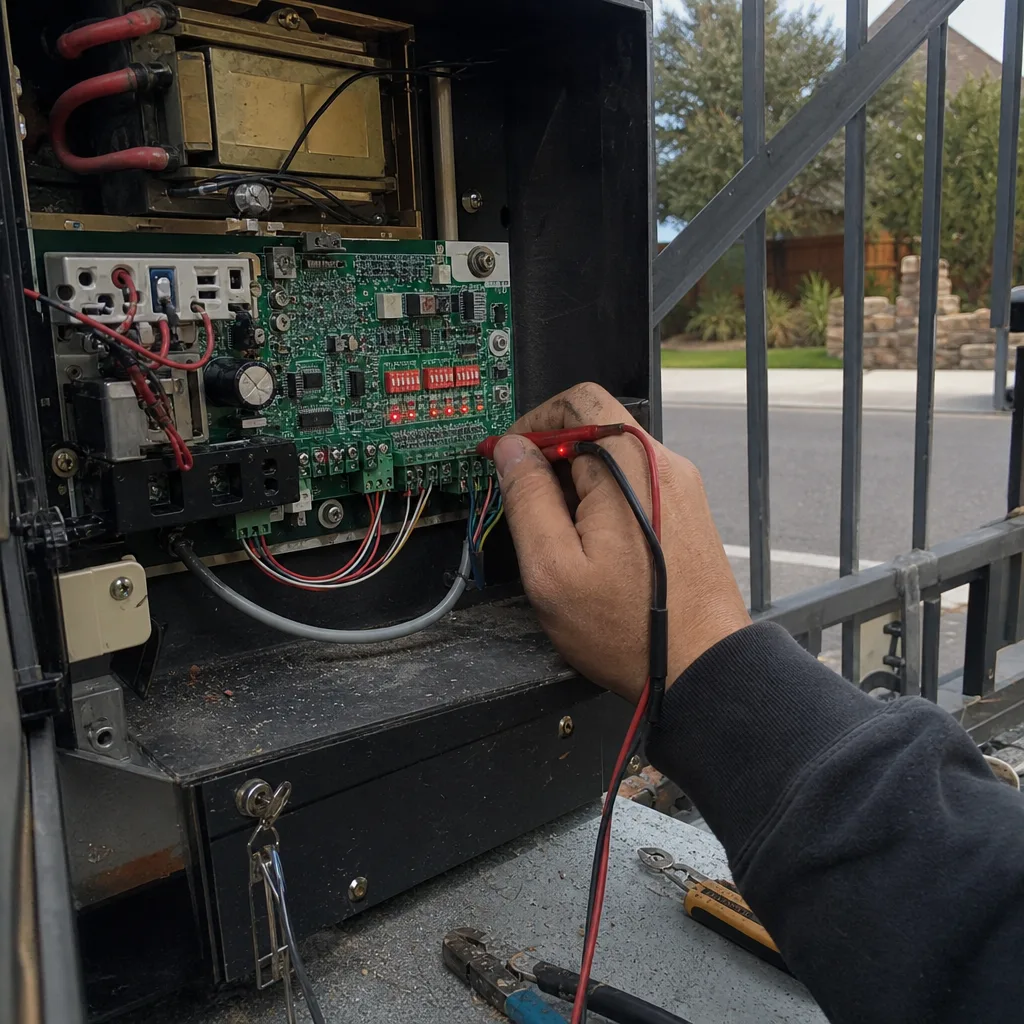
Last updated November 14, 2026
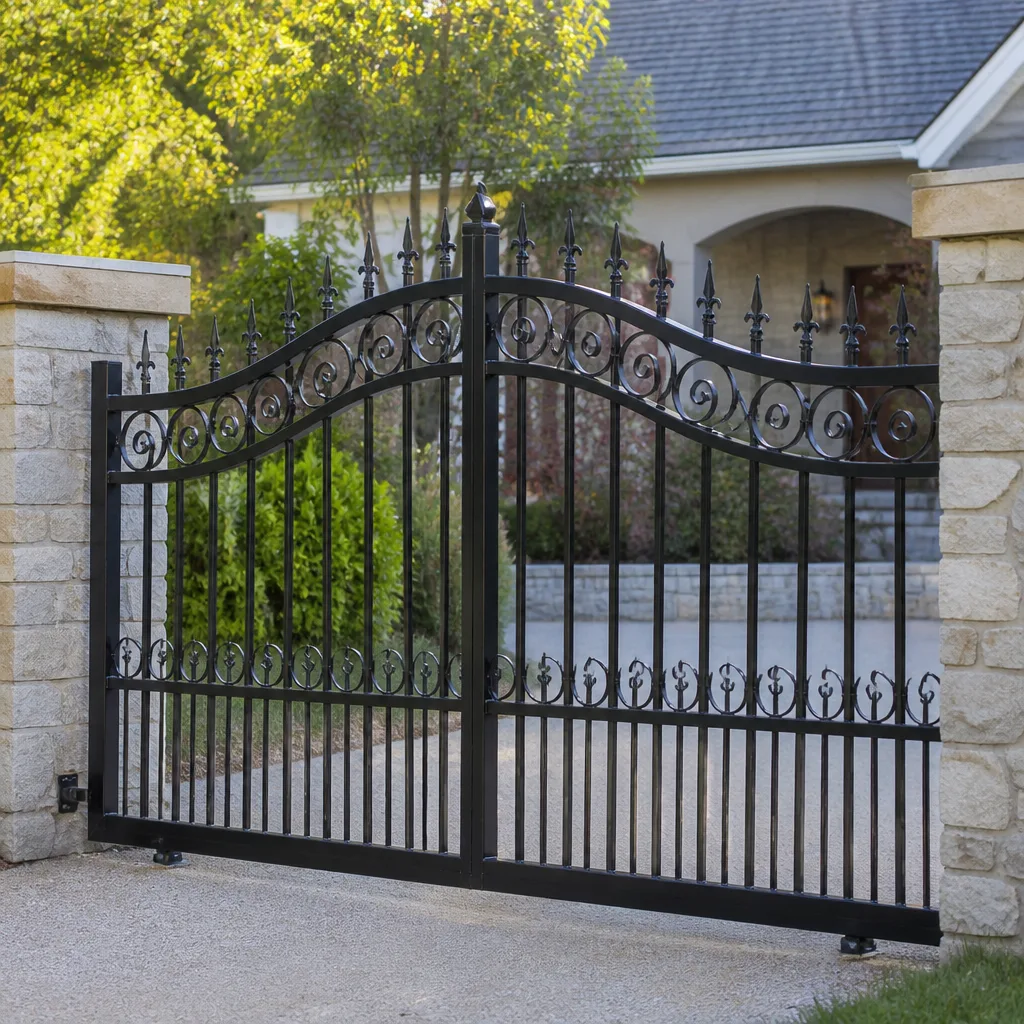 Wrought iron
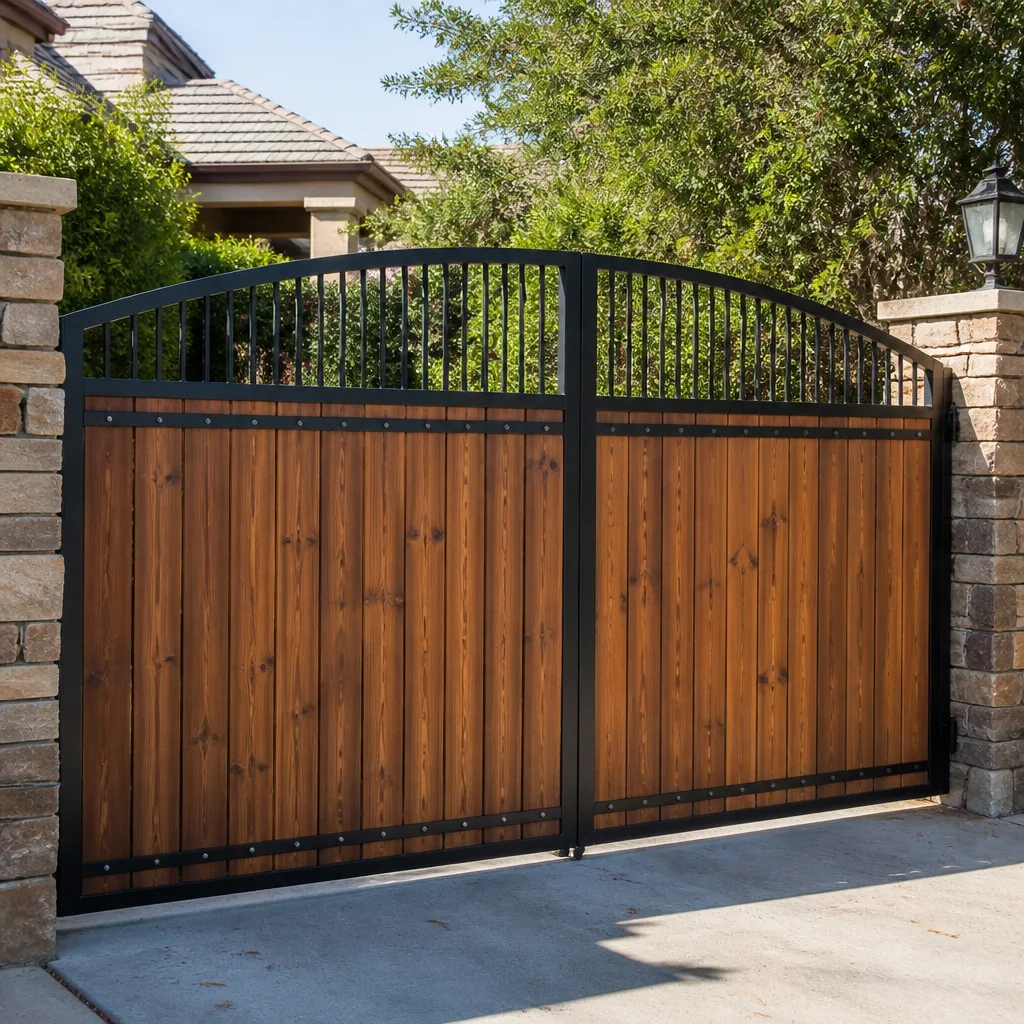 Wood & steel frame
 Farm & ranch
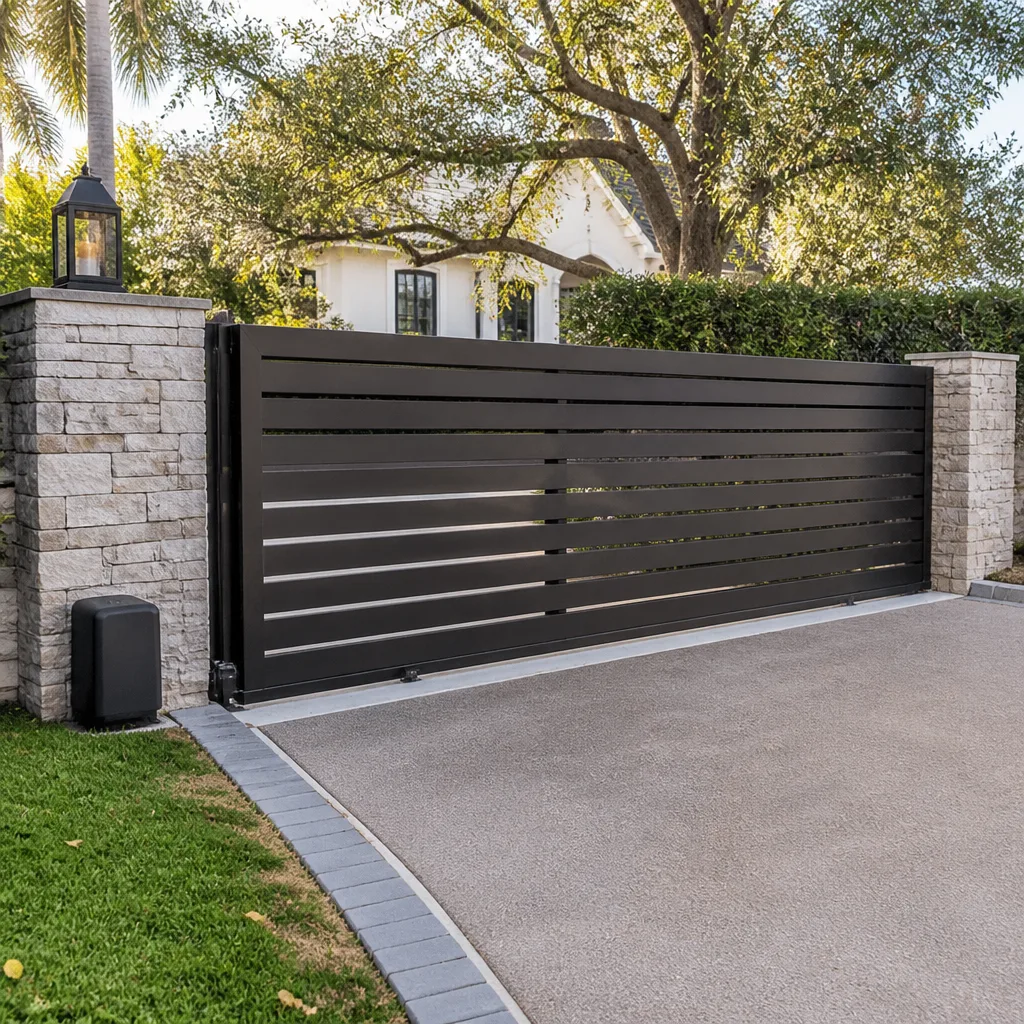 Sliding driveway gates
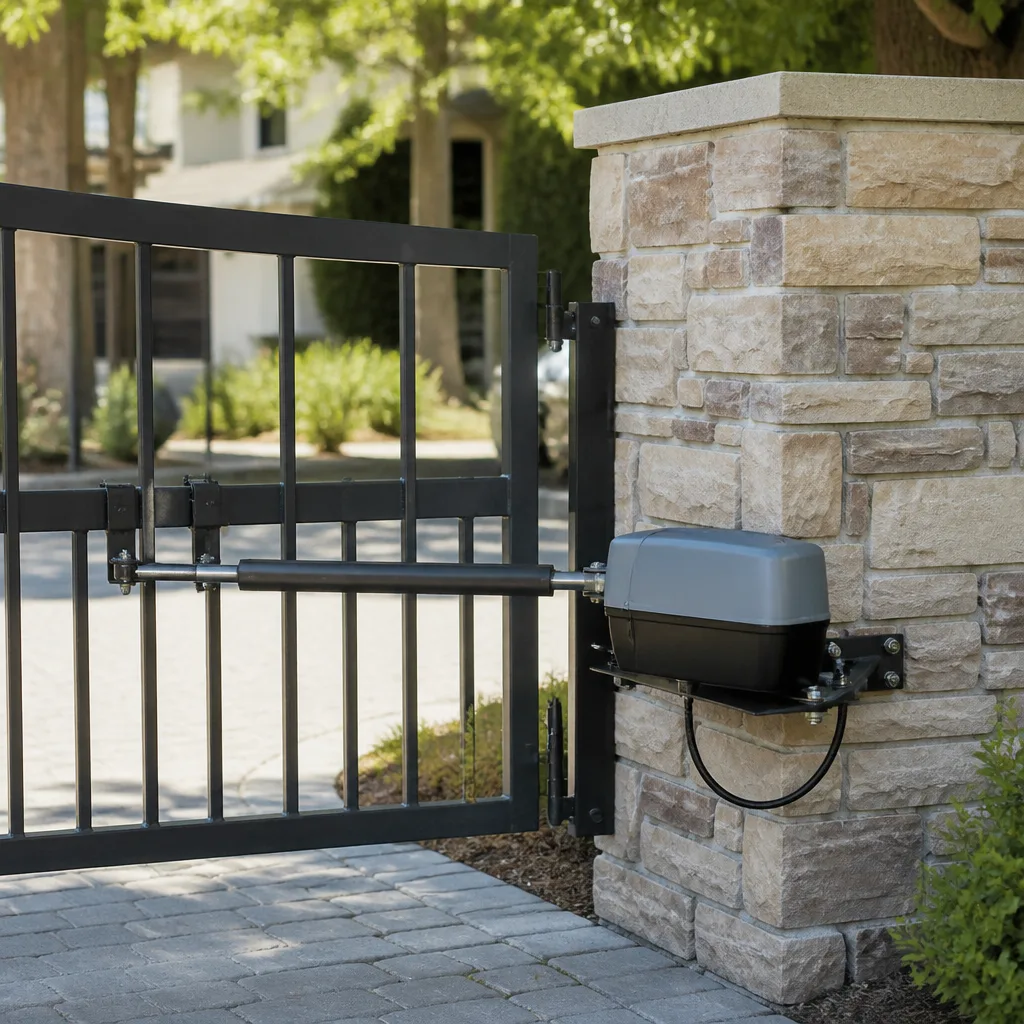 LiftMaster operators
Free on-site gate assessment - hinges, posts, and your LiftMaster or Nice gate operator checked before anything is quoted
The assessment is free and the quote is the invoice.
Get your free estimateGate Repair Emergency Preparedness Guide for Denver Homes
Most gate failures aren’t really equipment failures. They’re planning failures. A motor burns out, a battery dies, a track bends, and suddenly the household has no answer to a simple question: how do we get the cars out? The common misconception is that a gate failure is an inconvenience you solve after it happens. In reality, almost everything that makes a gate emergency manageable is decided before the failure. This guide walks you through the pre-failure decisions and physical preparations that turn a stuck gate in Denver into a two-hour hassle instead of a two-day problem: locating and testing the manual release, knowing what to do in the first ten minutes, and building the backup systems that keep the gate working when something else doesn’t.
Quick Answer
Emergency gate preparedness for a Denver home comes down to three things: knowing exactly how to manually release your specific operator, having a plan for both the closed-and-stuck and open-and-won’t-close scenarios, and calling a gate specialist with your operator brand and failure symptoms ready before the truck rolls. Most gate failures can be resolved with a same-day visit when the homeowner can describe what happened clearly. The difference between a manageable morning and a locked-in driveway usually comes down to preparation done weeks earlier.
Styles & brands we work with
- Wrought iron
- Wood & steel frame
- Farm & ranch
- Sliding driveway gates
- LiftMaster operators
Table of Contents
- Locating and Testing Your Manual Release
- The First 10 Minutes of a Gate Failure
- Temporary Security When the Gate Is Stuck Open
- What to Have Ready Before You Call
- Infrastructure Decisions That Reduce Emergency Frequency
- Why Operator Brand Matters in a Denver Emergency
- Common Mistakes to Avoid
- When to Call a Professional
- Frequently Asked Questions
Locating and Testing Your Manual Release
Every electric gate operator sold for residential use has a manual release – a physical override that lets you move the gate by hand when power or the motor fails. What most homeowners don’t have is a tested one. The release lever or key can be rusted, seized, missing its handle, or blocked by a fence post. In our experience, a large share of emergency calls would have been solved in five minutes if the owner had located and tested that release even once.
Here’s how to test it on the four most common operators we see on Denver properties:
- Identify the operator. Find the arm or housing that drives the gate. Look for the manufacturer plate – usually a metal tag or sticker on the side or underside. Write down the model. You’ll need this whether you’re reading a manual or calling a technician.
- Locate the release mechanism. Swing-arm operators (common on residential LiftMaster and Linear systems) typically have a manual release key or lever on the arm. Slide gates use a clutch or a release handle on the motor housing. Ghost Controls and Viking units use their own locking release – check the operator housing for a keyed access point.
- Test it while the gate is unpowered or powered down. Follow the operator manual’s release procedure. The gate should move freely by hand – 30 to 60 pounds of push for a well-balanced swing gate is normal. If it won’t budge, the operator arm is still engaged or the gate is off its hinges or track.
- Re-engage and confirm. Reset the release, reapply power, and cycle the gate open and closed once. If the operator doesn’t resume normal operation, you’ve identified a problem while it’s still cheap to fix.
- Document it. Take a photo of the release in its released position. Store a copy of the release key wherever you keep the car keys. Tape a one-page instruction card inside the operator housing cover or the garage wall where you’ll find it.
Do this once now. A five-minute test in daylight on a Sunday afternoon saves an hour of panicked flashlight work on a dark driveway. If your release won’t engage at all, that alone is worth a service call – a gate with a frozen release is a gate with no backup plan.
The First 10 Minutes of a Gate Failure
When your gate stops working, the temptation is to press the remote forty times or start looking up repair shops. Neither helps. What you do in the first ten minutes determines how much of the day you lose. Here’s the decision tree we walk Denver homeowners through.
Scenario A: The gate is stuck closed
This is the safer failure mode from a security standpoint, but it traps vehicles and blocks access for anyone arriving by car. Work this sequence:
- Check the obvious causes first. Look for a tripped breaker, a blown fuse in the operator, a photo-eye that’s dirty or misaligned, or a safety edge that’s been nudged. A surprising number of “gate failures” are a dirty photo-eye or a loose wire on the safety loop.
- Try the manual release. Follow the release procedure from the previous section. Move the gate by hand to open the access, then leave it in a locked-open position if you can secure it.
- Note the failure symptoms. Did the motor make a sound? Did the gate move partway and stop? Did the controller show a fault code or LED pattern? These details change the diagnosis entirely.
- Call a gate specialist. Give the brand, model, and symptom. We answer 24/7, and fast dispatch runs from 7am to 7pm, Sunday through Friday. A call outside dispatch hours is booked into the next opening.
Scenario B: The gate is stuck open and won’t close
This is the security scenario, and it deserves a faster response. Manually close the gate if the hinges or track allow it, and secure it with a padlock or chain through the frame. Then call for gate repair – an open gate is an unlocked gate, and the temporary measures in the next section are a stopgap, not a solution.
Temporary Security When the Gate Is Stuck Open
An open gate on a residential property is a security gap you have to address the same day, not the same week. But “add a padlock and hope” isn’t a plan. Here’s what actually deters access versus what just makes you feel better.
What actually helps
- Physically closing the gate and locking it. If the operator will come out of the way, close the gate by hand and chain or padlock it to a fixed post. This is the single most effective measure and the one most homeowners skip.
- Parking a vehicle across the opening. If the gate won’t close, backing a car or truck into the gap stops casual vehicle access. It’s not elegant, but it’s real.
- Motion-sensing exterior lighting near the driveway and gate. A lit driveway changes the risk calculation for anyone deciding whether to walk through an open gate. This is well worth having in Denver’s long winter nights, when an open gate is invisible from the house by 6pm.
- A temporary barrier. A folding barricade, a properly anchored A-frame sign, or traffic cones marked with a “closed” sign all signal that the opening is intentional and monitored, not a free walkway.
What creates false confidence
- A sign that says “security gate.” Signs don’t deter anyone; they advertise that something’s wrong.
- Relying on the operator’s closing feature. If the gate won’t close, that’s precisely the thing that’s broken. Don’t trust the remote to save you.
- Relying on a neighbor “keeping an eye on it.” Well-intentioned, but not a barrier.
- Assuming the gate will hold until morning. It won’t. A gate stuck open at 6pm is a gate stuck open at 3am too.
A frustrating percentage of gate failures escalate because the homeowner waited until morning to act. If your gate fails open, treat it as an immediate problem.
What to Have Ready Before You Call
This is the point most homeowners miss, and it’s the one that determines whether a technician arrives ready to fix the gate or makes a second trip for parts. We’d rather diagnose a gate in one trip than two. You’d rather not block a driveway twice. Both of those outcomes are decided by how much information you can give on the call. Before you dial, gather:
- Operator brand and model. Not “it’s electric” – the actual nameplate. LiftMaster, Linear, Ghost Controls, BFT, Viking, DoorKing, FAAC, Elite, and Mighty Mule are the nine major brands we work on. Knowing which one you have tells us which parts and manuals to load.
- Gate type and size. Swing or slide. Single or dual leaf. Approximate weight if you know it, or how many feet wide.
- Power source. Buried line from the house, dedicated circuit, or solar (Ghost Controls units often run on solar)? Where’s the breaker?
- Failure symptoms. Sound, motion, error codes, whether the gate moves partway, whether both remote and keypad trigger it, whether the manual release works. Be as literal as you can – “the motor clicks twice and stops” tells us more than “it’s broken.”
- What you’ve already tried. Breaker reset, battery replacement, photo-eye cleaning, manual release. No judgment – it helps us skip steps.
- Photo of the operator and the gate. A phone shot of the nameplate and the gate position on arrival saves time on the phone and on site.
- Access details. How we get in if the gate is stuck closed. Neighbor contact, side gate, or a code.
One detail that surprises homeowners: knowing your electric gate repair needs usually starts with the model number, not the symptom. It’s the difference between a truck arriving with the right control board and one arriving with a guess.
Infrastructure Decisions That Reduce Emergency Frequency
Some gate failures are unavoidable – boards die, motors wear out, weather works on everything. Others are entirely preventable with a few infrastructure decisions made while the gate is working. For a Denver property, the priority list is battery backup, alternative entry, and remote monitoring.
Backup power configurations
A gate operator without battery backup is one power outage away from a locked driveway. Most automatic gate systems support a backup battery – a charged battery keeps the gate operating through short outages and lets you cycle the gate at least a few times when the grid is down. Some systems run entirely on solar, which makes the backup question part of the primary design. Ask a technician whether your operator supports a battery, how often it needs replacement, and whether the control board will tell you when the battery is failing. Battery age is one of the cheapest failures to prevent and one of the most common to trigger an emergency call.
Alternative entry
Every gate that traps vehicles should have a plan B for getting a car in or out when the gate is down. That can be a manually releasable side gate, a second keypad-controlled pedestrian opening, or a design where a vehicle can be moved past the gate without releasing it. If you have only one way in and out, a gate failure becomes a property access failure. Sketch the alternate path on paper and confirm it actually works before you need it.
Remote monitoring
Modern operators often include notifications or app monitoring – some with direct alerts when a gate fails to close, when a battery is low, or when the gate is opened outside a schedule. These are worth configuring if your operator supports them. The gate tells you what’s wrong before you discover it at the top of the driveway. If your system doesn’t offer monitoring, a battery-operated driveway alert or a simple camera pointed at the gate gives you most of the same signal for far less complexity.
These are all decisions you make when the gate is working. Made after a failure, they cost twice as much time and often more.
Why Operator Brand Matters in a Denver Emergency
Not every gate company carries every brand’s parts, and not every “gate repair” call is really a gate specialist call. When the gate fails, the fastest route to a fix is a company that works the line you own and knows its failure patterns cold. That’s why we stay gate-only and work across the brands Denver households actually have: LiftMaster, Linear, Ghost Controls, BFT, Viking, DoorKing, FAAC, Elite, and Mighty Mule.
Here’s what that looks like in practice. A Linear swing operator that stops mid-travel has a different diagnosis than a BFT system that loses programming after a power blink, which has a different diagnosis than a Ghost Controls solar unit that won’t wake up after a long cloudy stretch. A generalist company that also services garage doors and fence work reads the same symptoms through a wider lens. A gate specialist reads them through a narrower, faster one.
This matters most on the emergency call. When we ask for the brand and model up front, it isn’t a formality – it tells us what to load, what manual to bring, and whether the fix is a control board swap, a photo-eye realignment, or a motor. Fewer return visits, less time with a blocked driveway, and a clearer estimate. If you want the broader picture of what we handle, the Gate Repair Denver page lays out the full service line.
See the difference
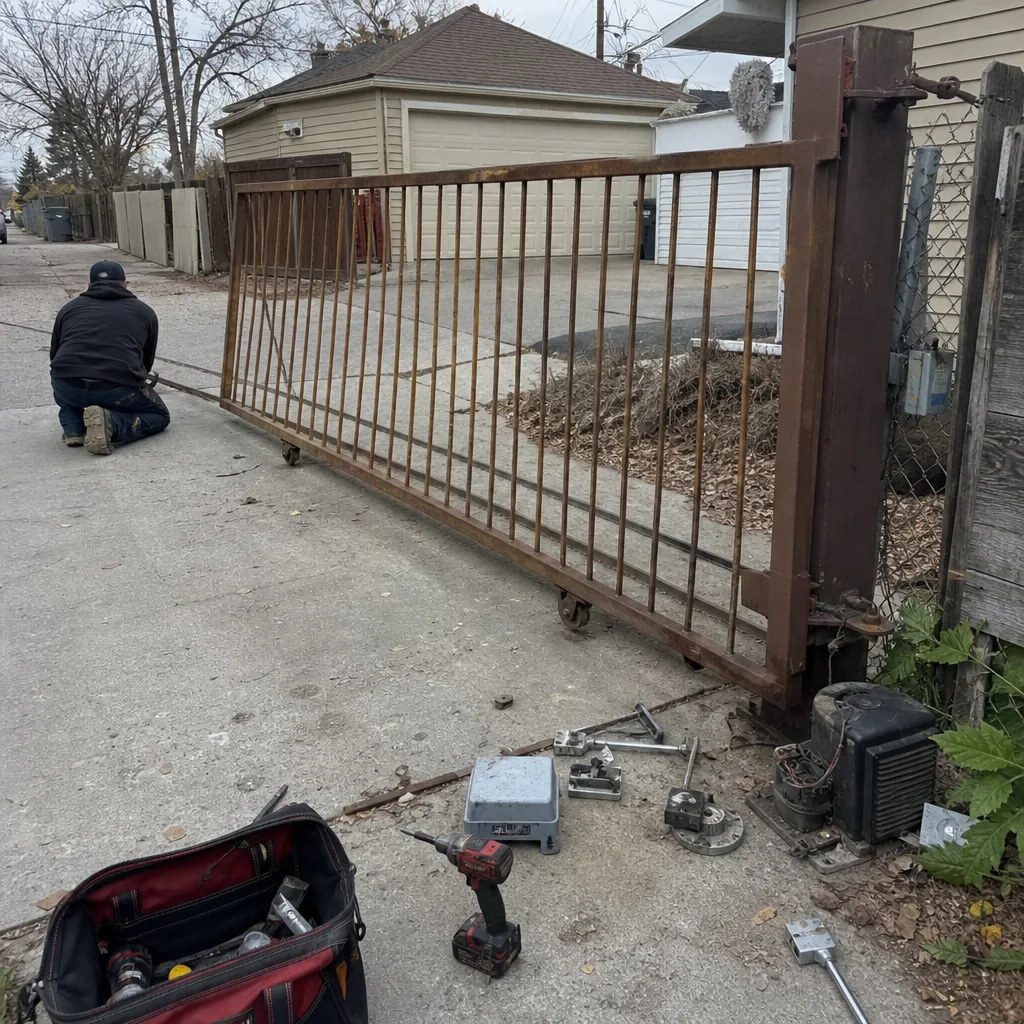 Before
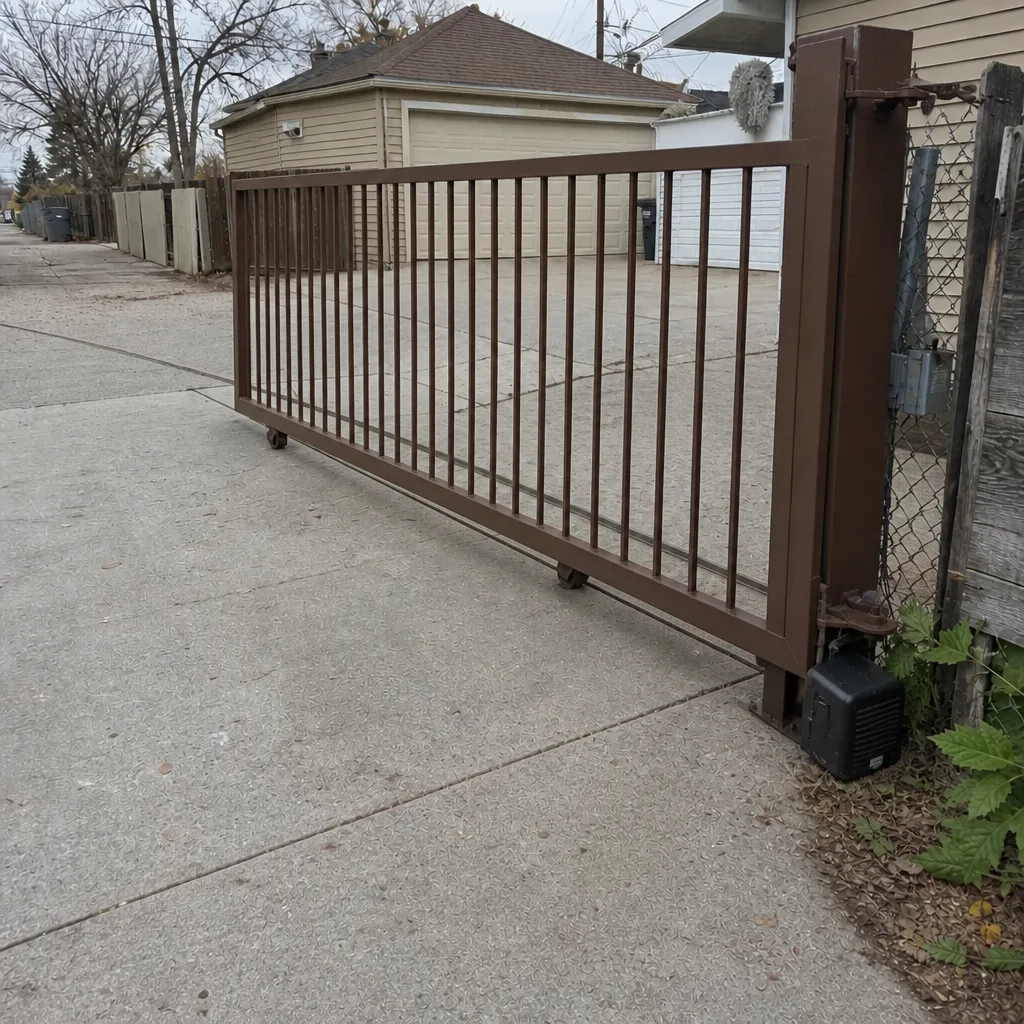 After
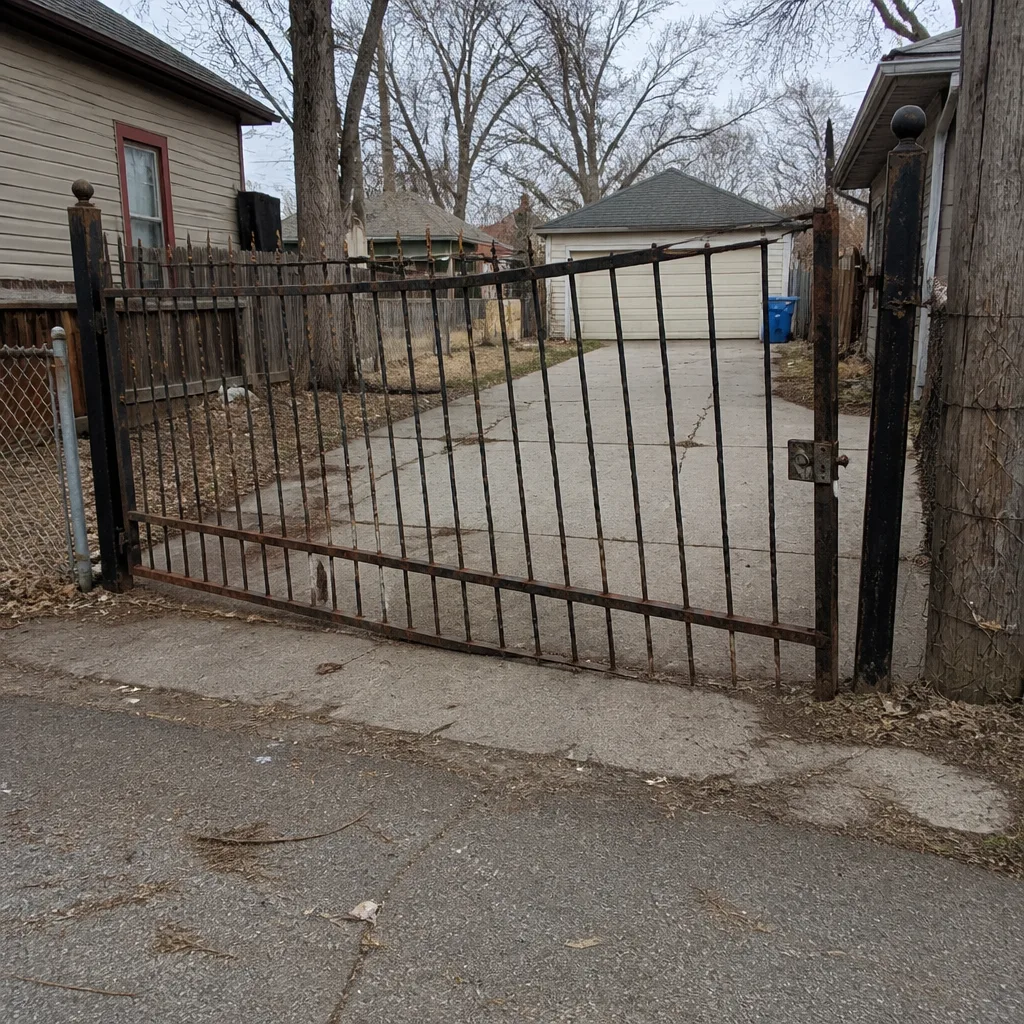
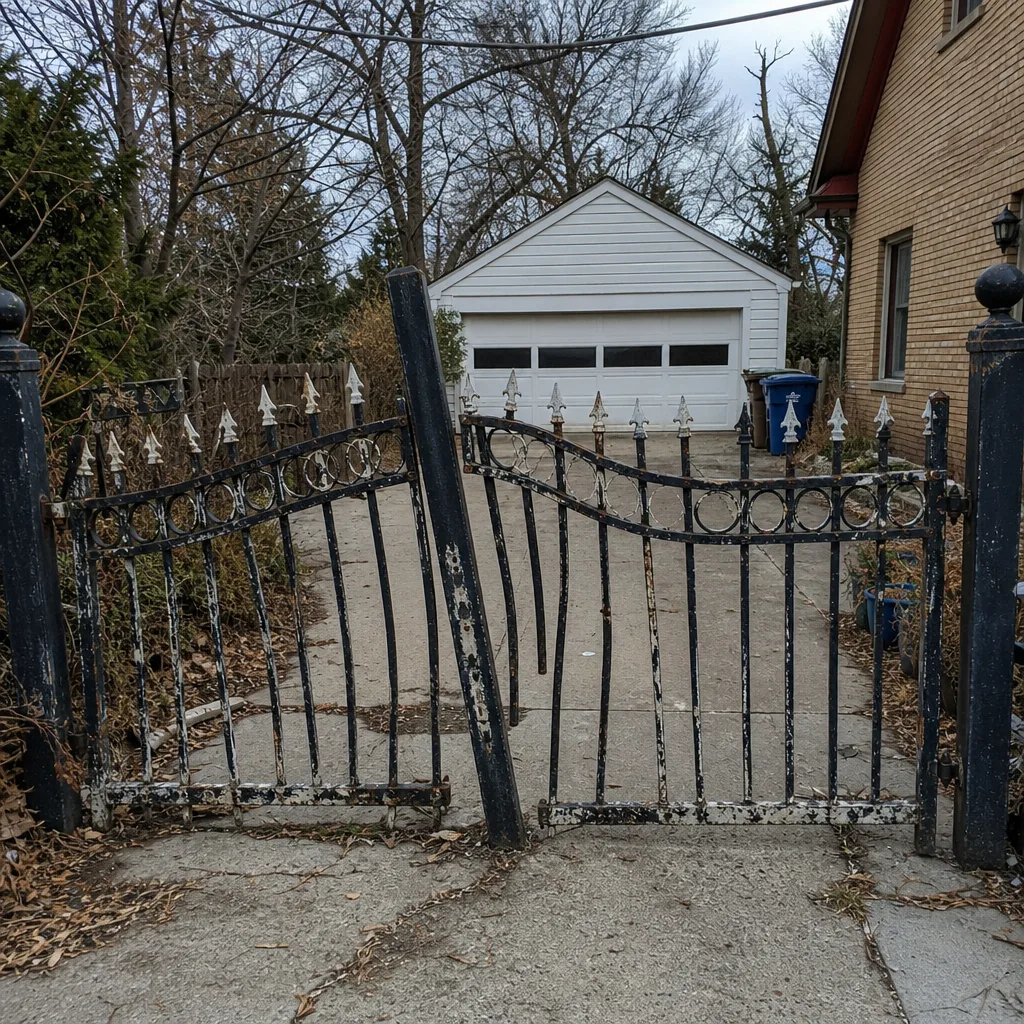 Before
 After
 Before
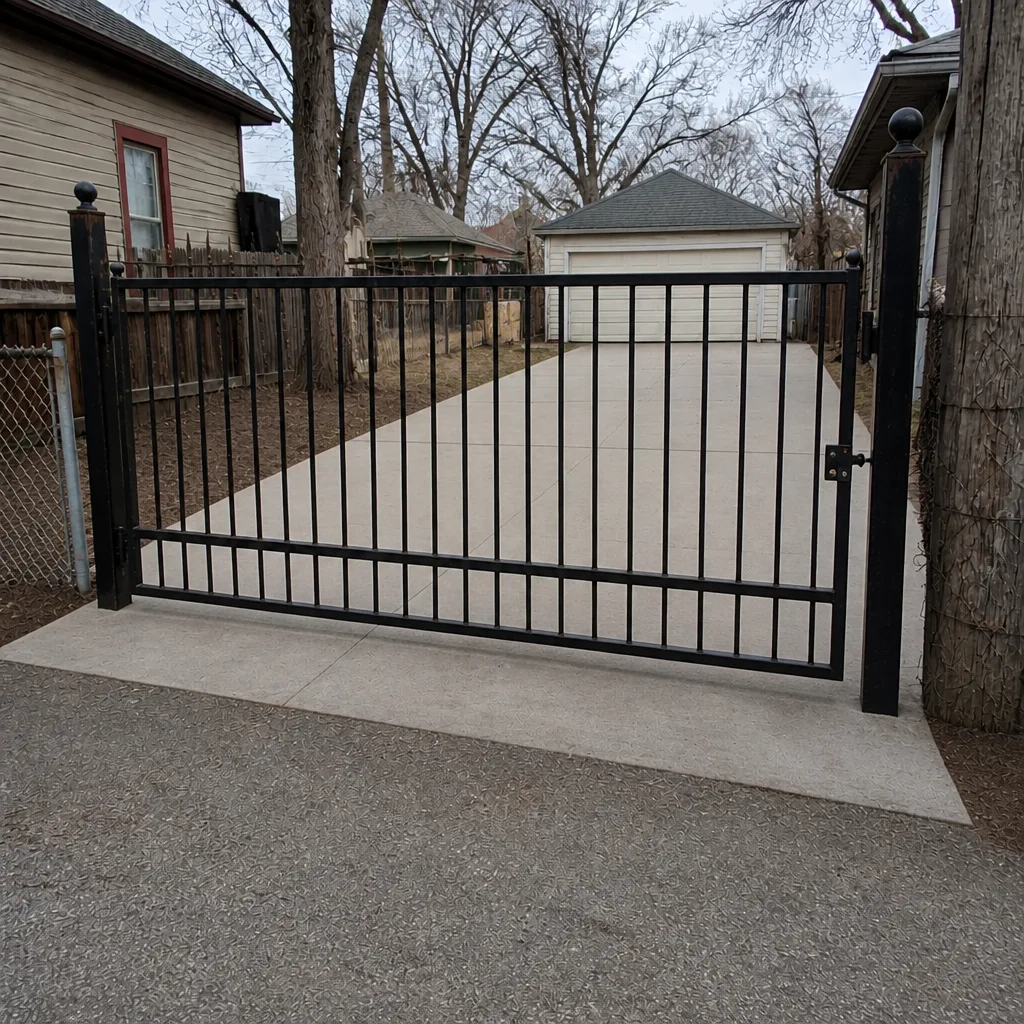 After
Common Mistakes to Avoid
We see the same handful of mistakes on emergency calls again and again. Avoiding them will save time, money, and a lot of driveway frustration.
- Never testing the manual release. Every electric gate has one, but a release that’s been rusted shut for years is useless in an emergency. Test it in daylight while the gate is working.
- Waiting until the gate is stuck to look up a repair company. Save a specialist’s number in your phone before the failure. In Denver, driving to your car while searching for a company is a decision you don’t want to make after the gate has already trapped it.
- Trying to force a stuck motor or hinge by hand. If the operator is engaged, forcing the gate can bend an arm, strip a gear, or damage the operator housing. Use the release, not muscle.
- Assuming the gate will “self-heal” after a power blink. Most operators need a re-engagement or a cycle to reset after an outage. If it’s still not moving after a power cycle, stop pressing the remote and call for diagnosis.
- Chaining the gate open to avoid the failure. We see this often on Denver properties: the gate has stopped closing, so it gets chained open to keep traffic moving. That works in the short term and creates a permanent security hole. Fix the gate, don’t chain it.
- Calling a general home service company for a gate emergency. A generalist with a truck full of miscellaneous parts will often diagnose the symptom and schedule a second visit for the brand-specific fix. A gate specialist diagnoses the operator.
- Not knowing your operator model. Without the nameplate, every repair starts behind schedule. Find it, write it down, and store the manual where you can reach it fast.
When to Call a Professional
Some gate problems are genuinely DIY-ish – a dirty photo-eye, a dead remote battery, a re-seat after a power blink. Others aren’t, and knowing the line matters. Call a professional when the gate won’t move after the manual release is engaged, when the operator is making loud noises or showing error codes, when a gate is unbalanced enough to feel heavy by hand, when the release itself is seized, when an open gate can’t be closed safely, or when anything on the property is trapped behind a gate that won’t open. Also call if a prior “fix” has been holding and you want to know whether the gate is safe to keep using. Gate Repair Denver offers free estimates in Denver – call (855) 677-8291 to book a visit. We answer 24/7. Fast dispatch from 7am to 7pm, Sunday through Friday. The price we give is quoted and agreed before any work starts, and the written estimate sets the final number. If you’re weighing whether the gate is worth repairing or replacing, a visit answers that question faster than any amount of phone discussion.
Frequently Asked Questions
Check for the obvious causes first – breaker, photo-eye, safety edge – then try the manual release, move the gate by hand to secure access, and note the symptoms. Call a gate specialist with the brand and model ready. We answer 24/7 and run fast dispatch from 7am to 7pm, Sunday through Friday. A call outside dispatch hours gets booked into the next opening. Call (855) 677-8291 for an estimate.
Look on the operator arm or housing for a keyed lever, clutch, or slide handle – the release location varies by brand, so check the nameplate first. LiftMaster and Linear swing arms usually have a release key on the arm; slide gates have a release on the motor housing; Ghost Controls and Viking units use their own locking release. If you can’t find it, that’s worth a service visit on its own. Call (855) 677-8291 if you’d like us to walk the operator through it on site.
No. An open gate is an unlocked gate. If the gate won’t close, secure it the same day – physically close it and padlock or chain it if the hinges allow, park a vehicle across the opening if it won’t close, and add exterior lighting. Then call for repair. Call (855) 677-8291 – we answer 24/7 and a visit outside dispatch hours is booked into the next opening, Sunday through Friday, 7am to 7pm.
Yes, and it’s one of the most common preventable failures. Backup batteries age out and stop holding charge, and the first time you notice is during a power outage. Ask a technician how old your battery is and whether the operator will report a low battery. If your gate keeps “resetting” or loses programming, battery or board is the first place to look.
There’s no flat price for an emergency gate repair because the work depends entirely on what failed and which operator you have. We quote per job from a written estimate, and the price is quoted and agreed before any work starts – so a diagnostic fee or surprise line item doesn’t show up later. Estimates are free. Call (855) 677-8291 for an exact quote on your gate.
We’re a dedicated gate specialist, not a general home service company, and we work across nine of the major gate-operator brands: LiftMaster, FAAC, BFT, Linear, Viking, Ghost Controls, DoorKing, Elite, and Mighty Mule. That covers most residential systems installed on Denver properties. If you have a manual swing gate or an automated electric system, we handle both repair and installation. Call (855) 677-8291 for a free estimate.
The Bottom Line
Gate emergencies are rarely equipment-only problems. They’re preparation gaps. Locate and test your manual release now, walk through both failure scenarios before the failure, and get comfortable calling a gate specialist the same day something goes wrong. On a Denver property, the practical priorities are battery backup, a working alternative entry, and remote monitoring if your operator supports it. Fix what you can. Call for what you can’t. And if your gate is stuck open, secure it today, not tomorrow.
Written by the team at Gate Repair Denver, serving Denver since 2015.
Contact
Gate stuck, electric system down, or ready to plan ahead? Call Gate Repair Denver at (855) 677-8291 for a free estimate. We answer 24/7. Fast dispatch from 7am to 7pm, Sunday through Friday. We work the brand you already own, diagnose it instead of guessing at it, and give you a written estimate before any work starts.