
Last updated November 14, 2026
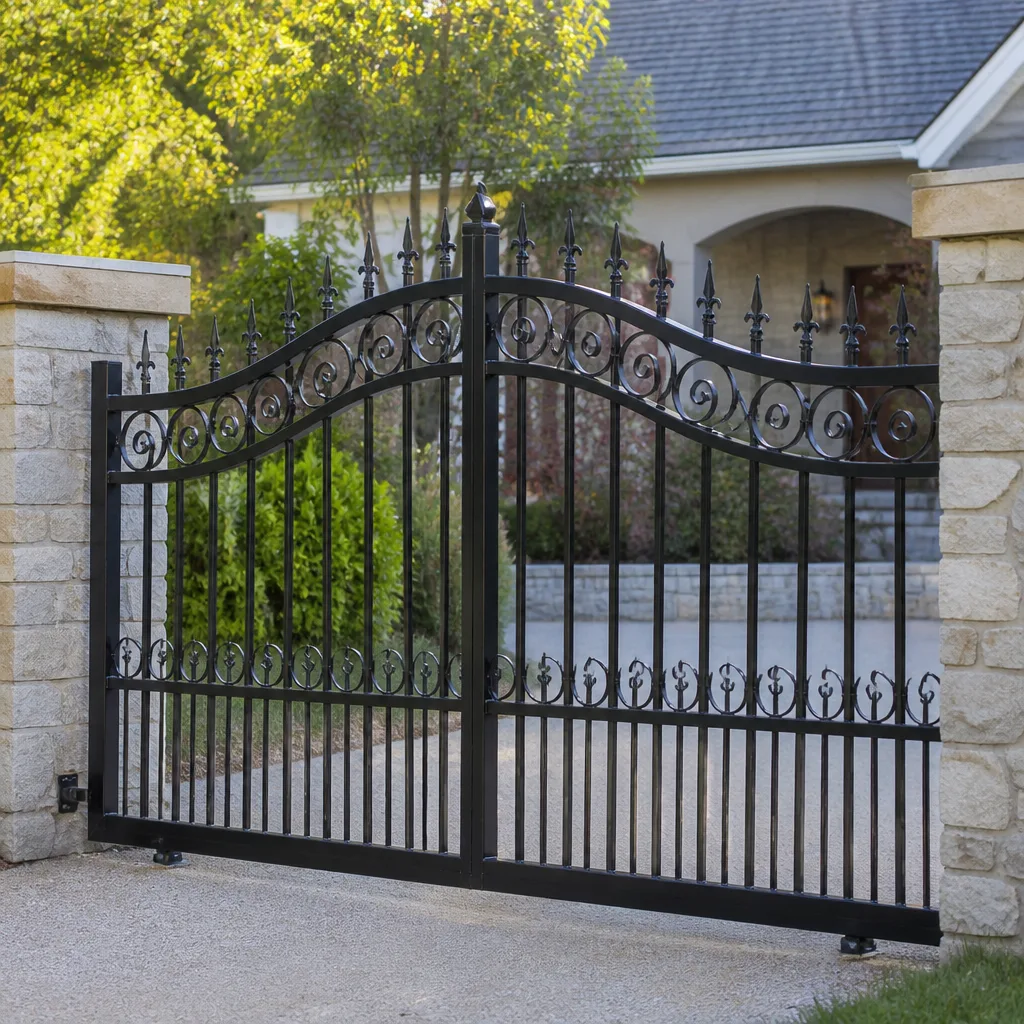 Wrought iron
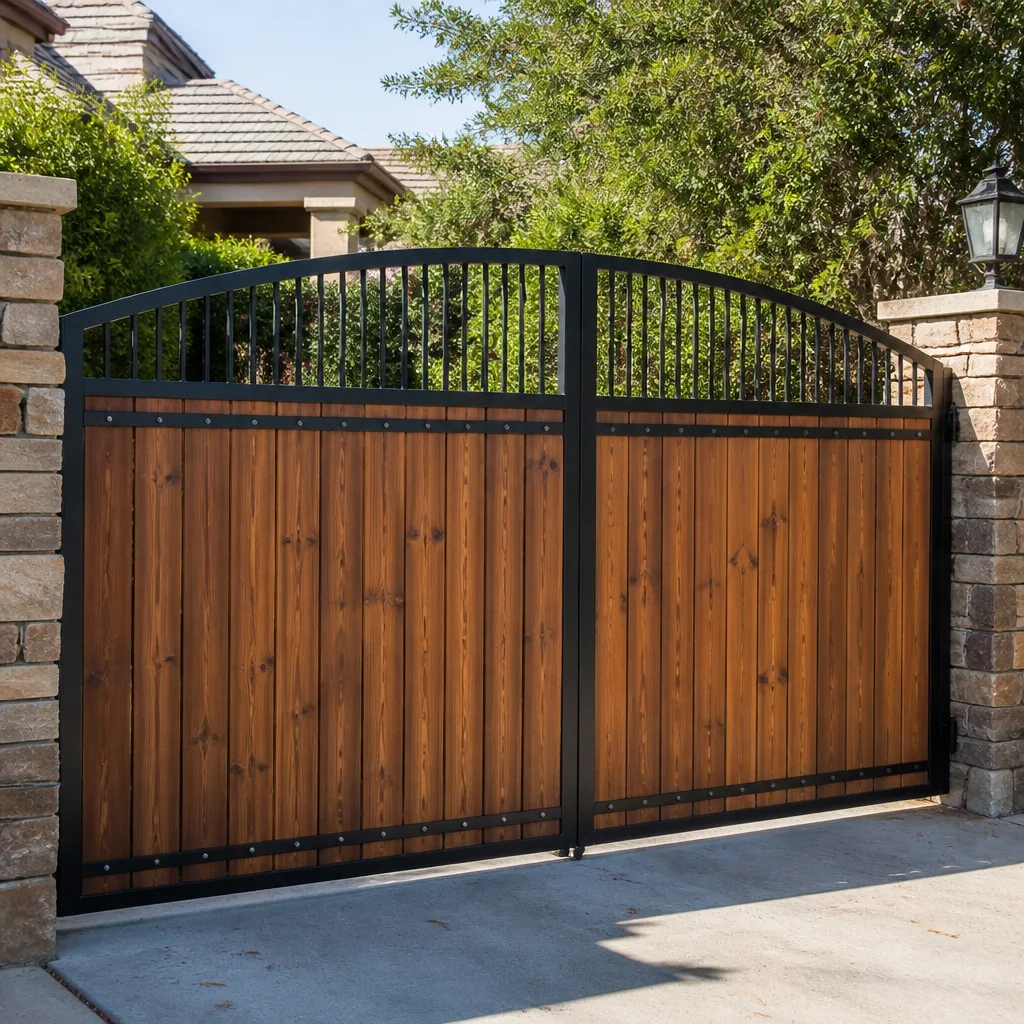 Wood & steel frame
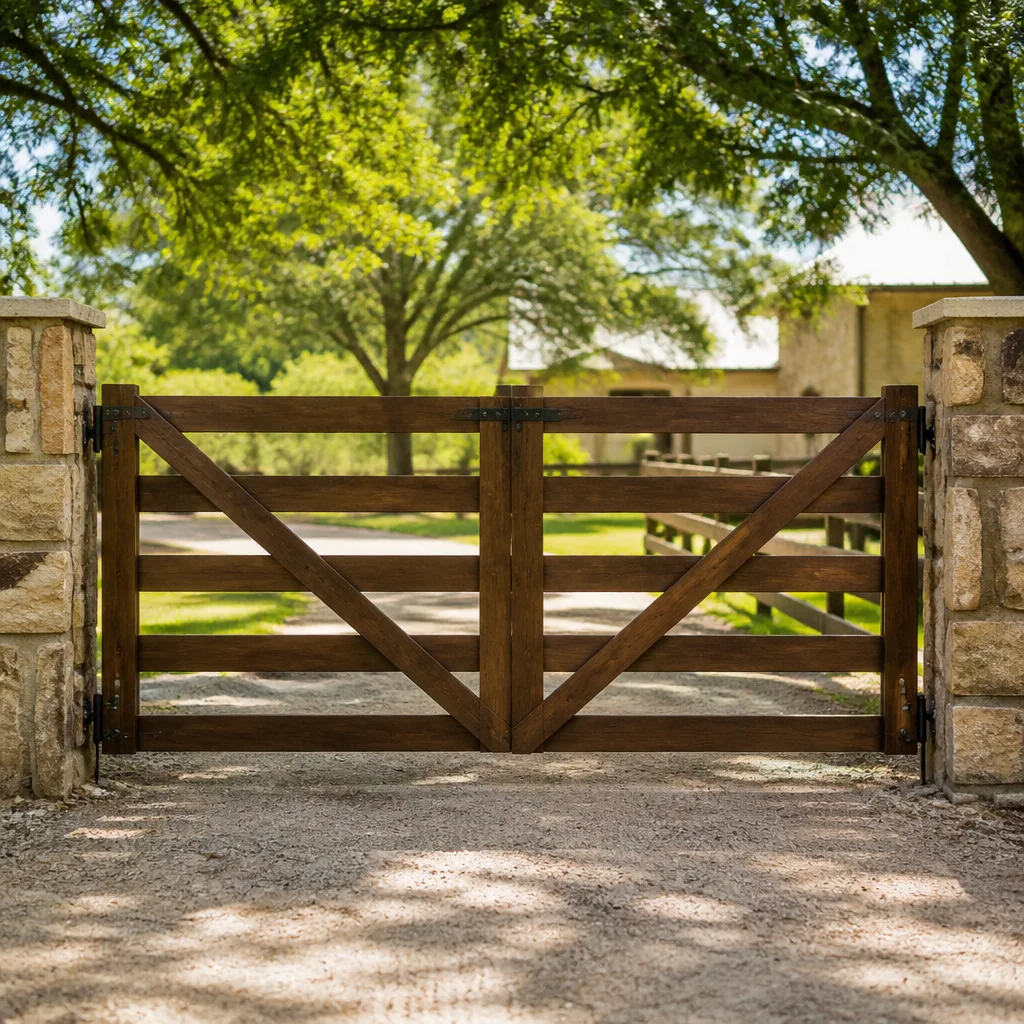 Farm & ranch
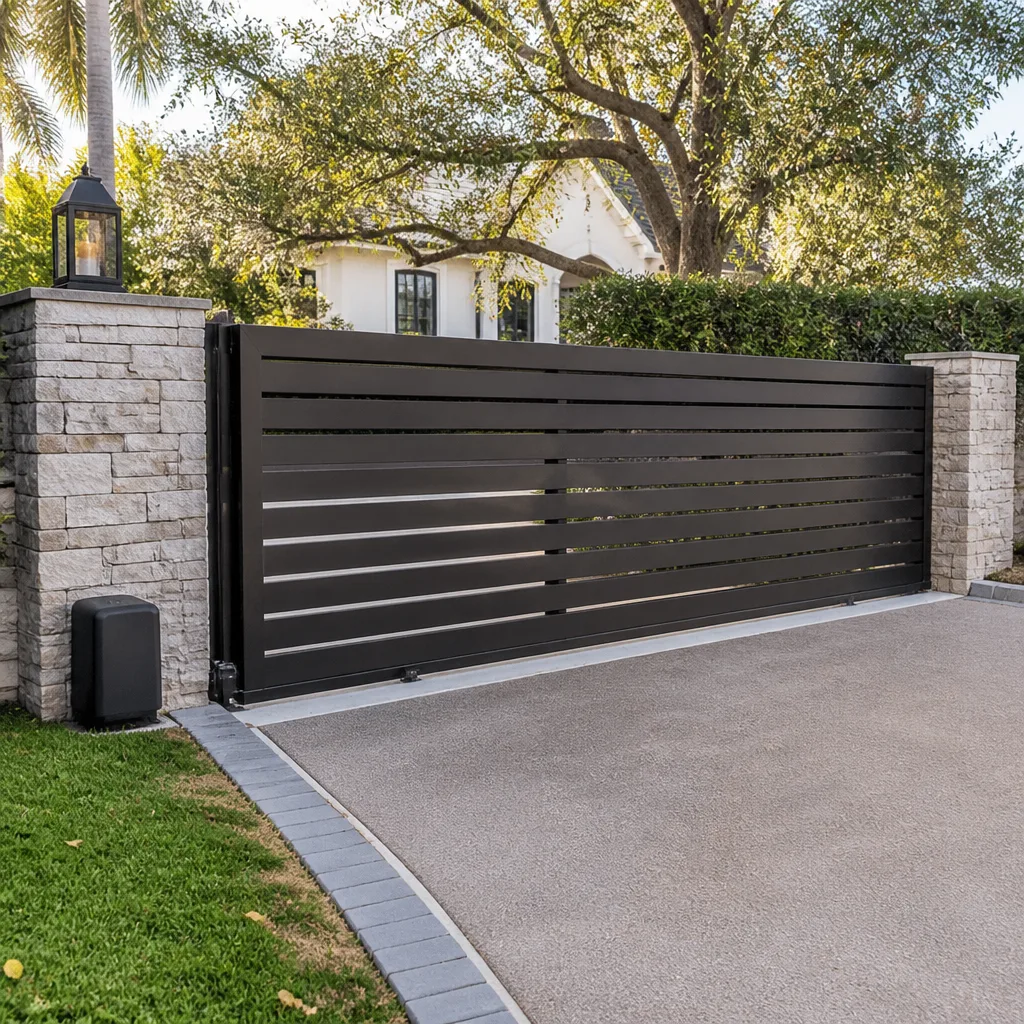 Sliding driveway gates
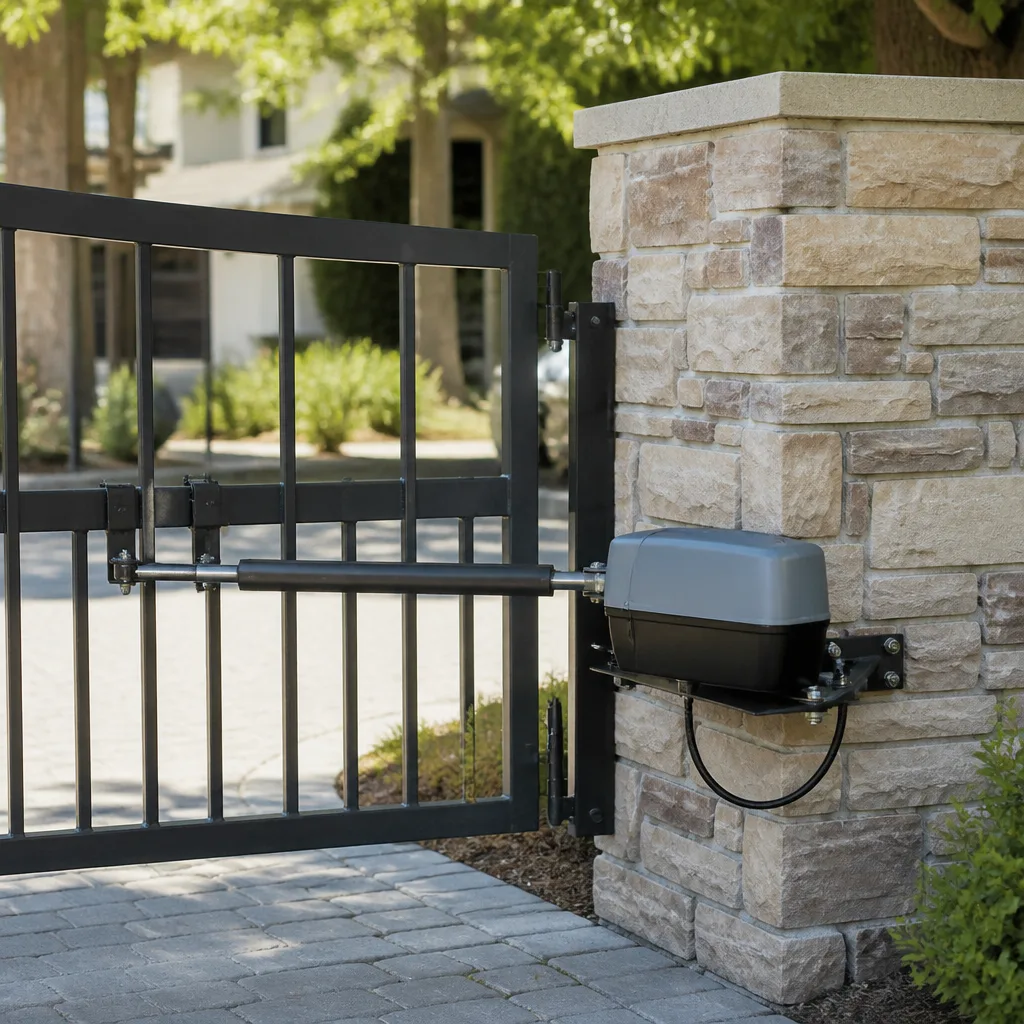 LiftMaster operators
Free on-site gate assessment - hinges, posts, and your LiftMaster or Nice gate operator checked before anything is quoted
The assessment is free and the quote is the invoice.
Get your free estimateChoosing the Right Gate Repair Brand: A Buyer’s Guide for Denver
Most gate buyers pick an operator brand the way they pick a paint color: whatever the installer suggests, decided in an afternoon, never revisited until something breaks. That works fine until it doesn’t. The name on your operator control board quietly sets your parts lead time, your service options, and your repair bill for the next 15 to 20 years. In Denver, where a failed board can mean a driveway you can’t secure, that choice deserves more thought than a feature list. This guide evaluates gate operator brands on what actually matters after the warranty runs out.
Quick Answer
The best gate operator brand in Denver is the one with local parts availability, technician coverage, and a proven track record in Colorado’s altitude, UV, and temperature swings, not the one with the longest feature list. Brands like LiftMaster, DoorKing, Elite, and Viking each have real strengths, but regional service support should rank above bells and whistles. Before you commit, ask who can fix it, what a control board costs, and how long a replacement takes to arrive.
Styles & brands we work with
- Wrought iron
- Wood & steel frame
- Farm & ranch
- Sliding driveway gates
- LiftMaster operators
Table of Contents
- Why Brand Choice Matters More Than You Think
- Parts Availability in the Denver Market
- Duty Cycle Ratings vs. Real Denver Use
- How Colorado’s Climate Tests Each Brand
- The 15-Year Total Cost of Ownership
- Control Board Architecture: Open vs. Proprietary
- A Step-by-Step Way to Choose Your Brand
- Common Mistakes to Avoid
- When to Call a Professional
- Frequently Asked Questions
Why Brand Choice Matters More Than You Think
A gate operator brand with limited Denver-area service representation isn’t just an inconvenience. It’s a two- to three-week parts lead time on a failed control board, during which your driveway sits open or you’re manually hauling the gate every time you leave. That single reality is why regional technician coverage should rank higher in your decision than any feature comparison chart.
Here’s the counterintuitive part: the operator brand you choose at installation is a long-term service commitment, not a product purchase. You’re not just buying hardware. You’re buying access to a supply chain, a repair network, and a parts catalog that needs to stay viable for the life of the gate. A brand with a great spec sheet and weak local support is a brand you’ll regret the first time a limit switch fails in February.
We’re a gate-only specialty shop, which shapes how we see this. We work on the brand you already own, and we’ve watched homeowners inherit brands that no local technician stocks parts for. In our experience, the brands that hold up best in Denver are the ones with established distributor relationships and predictable failure points, not necessarily the ones with the most aggressive marketing.
What You’re Actually Choosing
- Parts supply chain: whether a distributor stocks your board locally or you wait on a factory order.
- Technician familiarity: whether a repair tech has seen your exact operator before.
- Repair cost predictability: whether common parts are affordable and available.
- Product line longevity: whether the manufacturer keeps supporting your model for years.
- Failure patterns in your climate: whether the brand handles altitude, UV, and temperature cycling well.
Parts Availability in the Denver Market
Parts availability is the single most overlooked factor in gate brand selection, and it’s the one that hits hardest in Denver. A brand that ships a replacement board from a regional warehouse in a couple of days is a completely different experience than one that requires a factory order with a multi-week turnaround.
When you evaluate brands, ask a simple question: if my control board fails today, who in the Denver area has one on a shelf? Some operators, like DoorKing and LiftMaster, have broad distribution that tends to keep common parts closer to the metro. Others may require ordering from a factory or a distant distributor. That difference doesn’t show up on a spec sheet, but it shows up on your driveway.
Here’s how to check parts availability before you buy:
- Ask who stocks parts locally. A brand with a metro-area distributor or stocking dealer beats one with factory-only ordering.
- Ask for common failure parts by name. Control boards, limit switches, and safety sensors are the usual suspects. If a rep can’t tell you the lead time on a control board, that’s a signal.
- Check whether the brand’s current models share parts with older ones. A manufacturer with a stable parts platform is easier to service long-term.
- Confirm your repair tech can source the part. A brand-agnostic specialist can often find parts for a wide range of operators, but a brand with no local supply chain tests anyone’s patience.
This is where a dedicated gate specialist earns its keep. Because gate repair is all we do, we know which brands in the Denver market have responsive parts channels and which ones stall. That knowledge shortens your downtime, which is the whole point.
Duty Cycle Ratings vs. Real Denver Use
Duty cycle is the number of operating cycles an operator is rated to handle in a given period. It’s printed on every spec sheet, and it’s almost always optimistic for real-world use. The gap between what a brand rates and what your gate actually demands is where surprise failures come from.
Most residential gates in Denver get cycled a handful of times a day: leaving for work, coming home, letting the dog out. That’s nowhere near the duty cycle of a commercial apartment gate or a busy HOA entrance. But here’s the catch: a “residential” operator rated generously isn’t automatically a better choice if it’s overbuilt for your use and priced accordingly. You want a brand whose rating matches how you actually use the gate, not how a showroom demo uses it.
Matching the Rating to Your Use
- Light residential (a few cycles a day): a standard-duty operator from a well-supported brand is plenty. Spending up for commercial duty rarely pays off here.
- Busy household or multi-driver home: consider a step up in duty rating where the brand supports it.
- Rental property or shared driveway: duty rating matters more, and so does parts availability, because more cycles means more wear.
- Landlord with multiple gates: standardize on a brand with strong local support so repairs stay predictable across every property.
In our experience, the brands that hold up well in daily Denver use are the ones whose ratings aren’t wildly inflated. Elite and Viking, both of which we service, are common on residential and light-commercial gates, and matching their duty rating to your actual cycle count keeps them running far longer than oversized hardware that costs more upfront.
How Colorado’s Climate Tests Each Brand
Denver’s climate is hard on gate operators in three specific ways: altitude, intense UV exposure, and wide temperature cycling. Each stresses a brand differently, and some operators handle it better than others.
Altitude
Denver sits high enough that some equipment behaves differently than it does at sea level. For gate operators, altitude mainly affects heat dissipation and duty performance. An operator worked hard at altitude runs into thermal limits sooner than the same unit at lower elevation. Brands with better thermal design and conservative duty ratings tend to be more forgiving here.
UV Exposure
Colorado’s sunlight is intense. Sun-exposed control enclosures, plastic housings, and sensor lenses take a beating, and UV-degraded plastic is a real failure point. Brands that use UV-resistant housings and better-sealed enclosures last longer. When you compare operators, look at how the enclosure is built, not just the motor inside it.
Temperature Cycling
Denver swings from cold nights to warm afternoons, and those swings cycle every component: boards, relays, and connectors. Operators that fail in this climate often fail at the connections, not the motor. A control board with robust connection points and a straightforward architecture survives the cycling better than a fussy one.
When you ask about a brand’s climate performance, ask specifically about housing materials, enclosure sealing, and thermal behavior at altitude. Those three questions separate the operators that age well here from the ones that don’t.
The 15-Year Total Cost of Ownership
Purchase price is the smallest number in the equation. Over 15 to 20 years, what you actually pay is the sum of the purchase, the routine maintenance, the parts, and the downtime. A brand that’s cheap upfront but has expensive, hard-to-source parts can cost more than a pricier brand with an easy parts channel.
Here’s a framework for thinking about it:
- Purchase price. The number on the invoice. It matters, but it’s only the entry fee.
- Routine maintenance intervals. How often does the brand’s operator need attention? Some systems need it more than others.
- Parts cost. A control board replacement is the big one. Ask what a board typically costs on the brand you’re considering.
- Parts lead time. Time without a working gate is a cost, especially for rental properties and businesses.
- Technician availability. A brand with local service support gets fixed faster and more reliably than one nobody stocks parts for.
Put those five together and you get a rough 15-year picture that no spec sheet shows. We’ve seen brand choice swing total cost heavily because a hard-to-source board can turn a routine repair into a multi-week headache. If you want to explore what electric gate repair actually involves, it’s worth understanding before you buy, not after.
Control Board Architecture: Open vs. Proprietary
Control board architecture decides what happens to your repair options if the manufacturer changes its product line. Some brands lean toward proprietary systems, where only their own parts fit and only their own people can service it. Others favor more open, standard components that a knowledgeable technician can work with. The difference shows up the day your model is discontinued.
A proprietary board is a locked-in relationship. That can be fine if the brand has strong local support. It becomes a problem if the manufacturer drops the model or narrows distribution, because your repair options narrow with it. A more open architecture gives you flexibility: standard parts, more repair paths, and less dependence on one supplier staying interested in your model.
Questions Worth Asking
- Does the brand’s current product line share parts with its previous generation?
- Are the board’s components standard, or does everything require a factory part?
- What happens if this model is discontinued in a few years?
- Can a general technician work on it, or does it require brand-specific tools?
We cover repair of both mechanical and automated gates, including systems like Ghost Controls, so we’ve worked with a range of architectures. The takeaway is simple: prefer a brand where your repair options stay open. That’s a long-term bet on flexibility, and it’s usually the right one.
A Step-by-Step Way to Choose Your Brand
If you’re choosing a gate operator brand for a new installation in Denver, follow these steps in order. They sort the brands on the criteria that matter after the warranty expires, not the ones that look good in a brochure.
- Start with local support, not features. Identify which brands have responsive parts distribution and technician coverage in the Denver market.
- Match duty rating to actual use. Count your real cycles, then pick an operator rated for that, not a commercial unit you don’t need.
- Ask about climate performance. Get specifics on UV-resistant housings, enclosure sealing, and thermal behavior at altitude.
- Run the 15-year cost framework. Look at purchase, maintenance, parts cost, lead time, and technician availability together.
- Check the control board architecture. Confirm your repair options stay open if the product line changes.
- Confirm the full service cycle. Make sure whoever installs it can also repair and service it, so you don’t need a second contractor.
Because we’re a gate-only specialist, we can move through those steps faster than a generalist who also services other product categories. Our Gate Repair Denver side handles manual swing gates and automated systems alike, so the brand you choose at installation is a brand we can keep running for years.
Common Mistakes to Avoid
- Choosing on features alone. The longest feature list doesn’t help when a control board fails and no one local stocks it. Rank parts availability higher than bells and whistles.
- Buying the cheapest operator in the catalog. A low purchase price can hide an expensive parts path and long lead times, especially for a busy Denver gate.
- Ignoring altitude and UV. Denver’s climate stresses enclosures and thermal performance in ways a showroom demo never shows. Ask about both before you buy.
- Overbuilding the duty rating. A commercial-duty operator on a low-traffic driveway is money spent that you won’t get back.
- Locking yourself into a proprietary board by accident. If you don’t know whether your operator is open or proprietary, ask before you commit.
- Not asking who repairs it. The installer who sells you the gate may not be the one who services the brand long-term. Confirm your repair path.
- Forgetting the manual scenario. Every automated gate should have a reliable manual way to move when power or the operator fails. Plan for it from the start.
When to Call a Professional
Call a gate specialist when your operator stops responding, when the gate won’t move at all, when the control board shows a fault you can’t clear, or when you’re choosing a brand for a new installation and want a second opinion on service economics. Call when a limit switch fails repeatedly, when safety sensors keep triggering, or when the mechanical gate has drifted off its track or shown weakness in a hinge or roller.
We’re a gate-only shop, so troubleshooting is faster and we return fewer visits. Gate Repair Denver offers free estimates in Denver: call (855) 677-8291. We answer 24/7. Fast dispatch from 7am to 7pm, Sunday through Friday. The price is quoted and agreed before any work starts.
Frequently Asked Questions
The best brand is the one with strong local parts availability, technician coverage, and proven performance in Colorado’s altitude, UV, and temperature cycles. Brands like LiftMaster, DoorKing, Elite, and Viking each have strengths, but local support should outweigh any feature comparison. Call (855) 677-8291 for help choosing.
Brands with broad distribution and stocking dealers in the metro have the best parts availability, while brands with factory-only ordering can mean longer waits on boards and switches. Ask specifically about control board lead time before you buy. Call (855) 677-8291 for a brand-specific answer.
Yes. Altitude changes how hard an operator works and how quickly it reaches thermal limits, and intense UV degrades enclosures, housings, and sensor lenses. Temperature cycling also stresses control board connections. Ask about UV-resistant housings and thermal performance when you compare brands.
Count how many times your gate cycles on a typical day, then pick an operator rated comfortably above that, not a commercial unit far beyond your needs. A busy household or rental property justifies a higher rating, while a normal residential driveway rarely does. Call (855) 677-8291 if you want help matching a rating to your use.
A full installation includes the operator, the control board, safety edges and sensors, the wiring and power setup, and the manual release. Confirm the installer can also repair and service the brand afterwards, so you don’t need a second contractor. We handle both installation and repair under one roof.
Yes, we work on the brand you already own. We service a wide range of name-brand operators, including LiftMaster, FAAC, BFT, Linear, Viking, Ghost Controls, DoorKing, Elite, and Mighty Mule, so we can diagnose and fix what’s already on your gate. Call (855) 677-8291 for a free estimate.
The Bottom Line
Gate operator brand choice is a 15- to 20-year decision, and in Denver it should be driven by parts availability, technician coverage, climate performance, and total cost of ownership, not feature lists. Local support outranks everything because a long parts lead time on a control board is the real cost. Run the 15-year framework, check the control board architecture, and match duty rating to real use. If you choose well and keep a repair path open, the brand fades into the background and your gate just works.
Contact
Choosing a brand, diagnosing an operator that stopped responding, or facing a gate that won’t move at all: we’re a gate-only specialist, and we can help. Gate Repair Denver offers free estimates in Denver. Call (855) 677-8291. We answer 24/7. Fast dispatch from 7am to 7pm, Sunday through Friday.
Written by the team at Gate Repair Denver, serving Denver since 2015.
See the difference
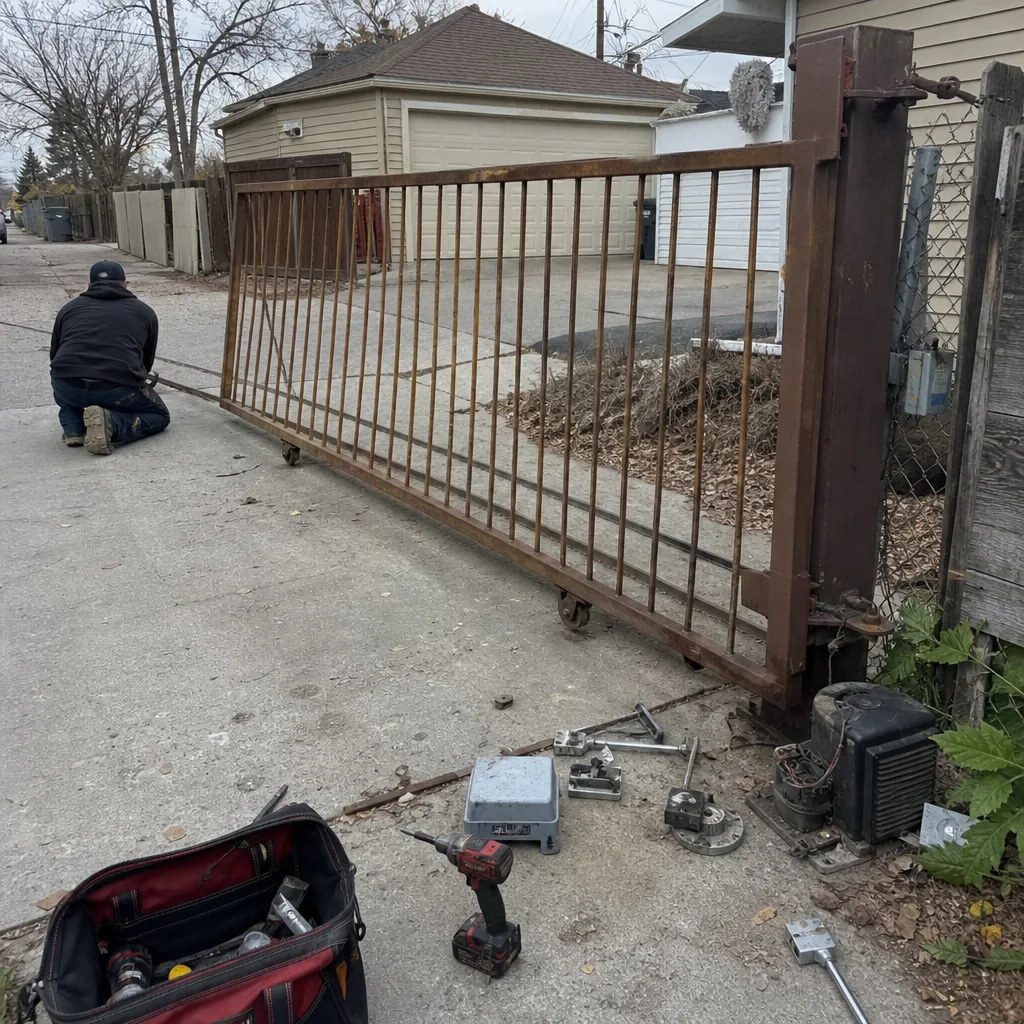 Before
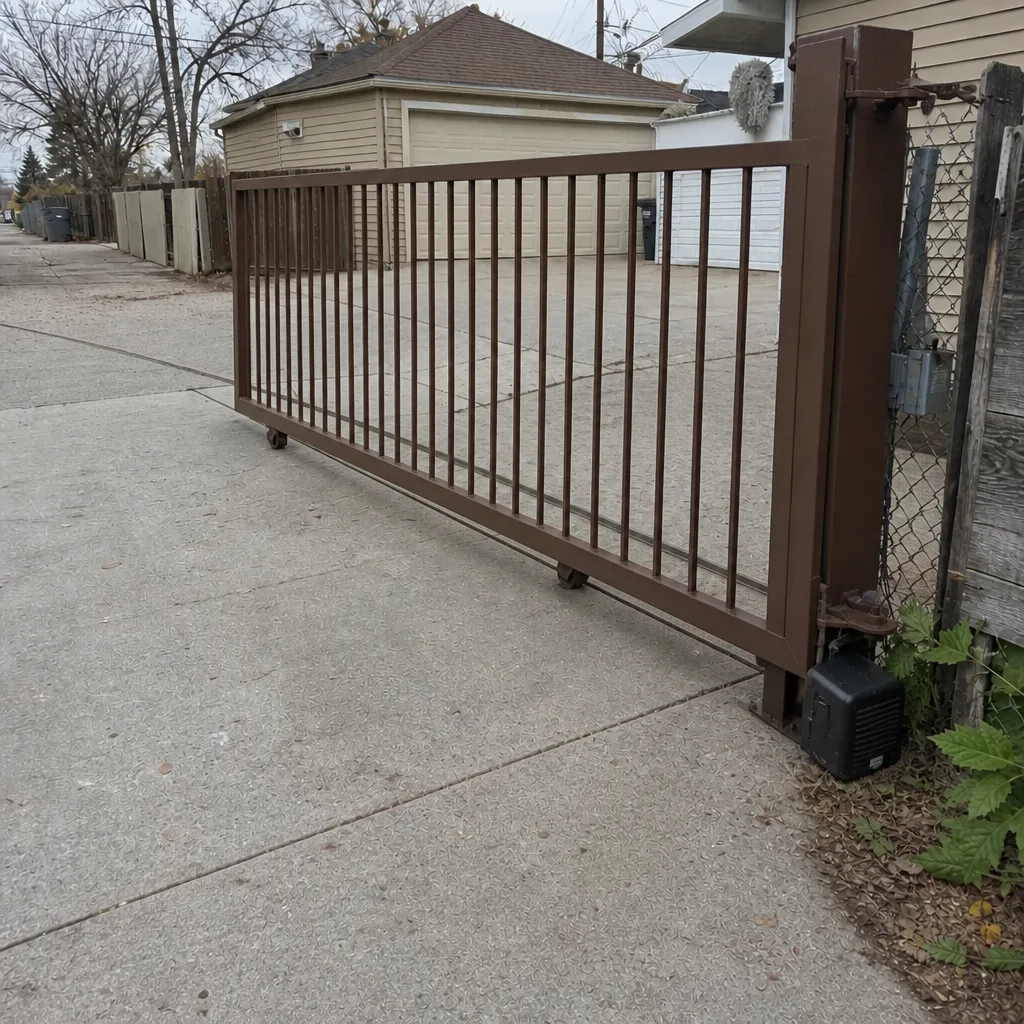 After
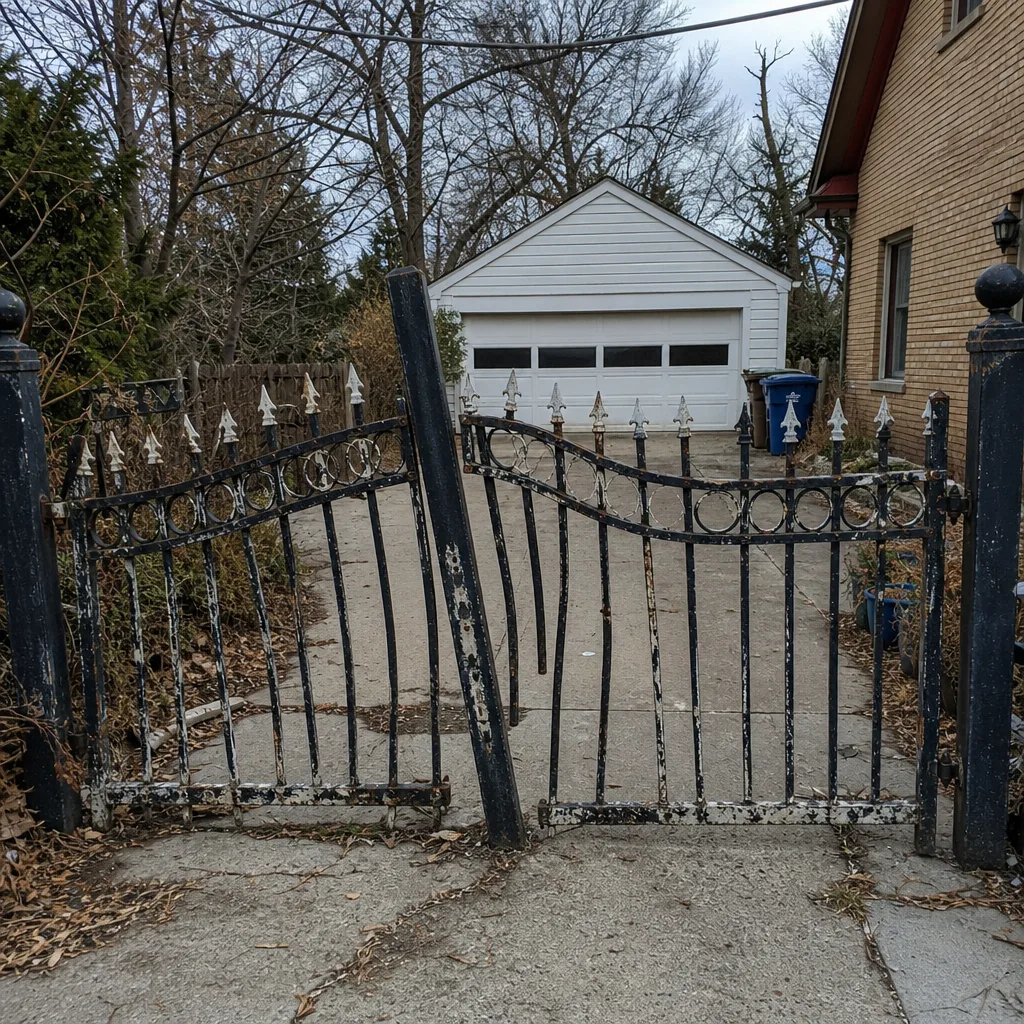 Before
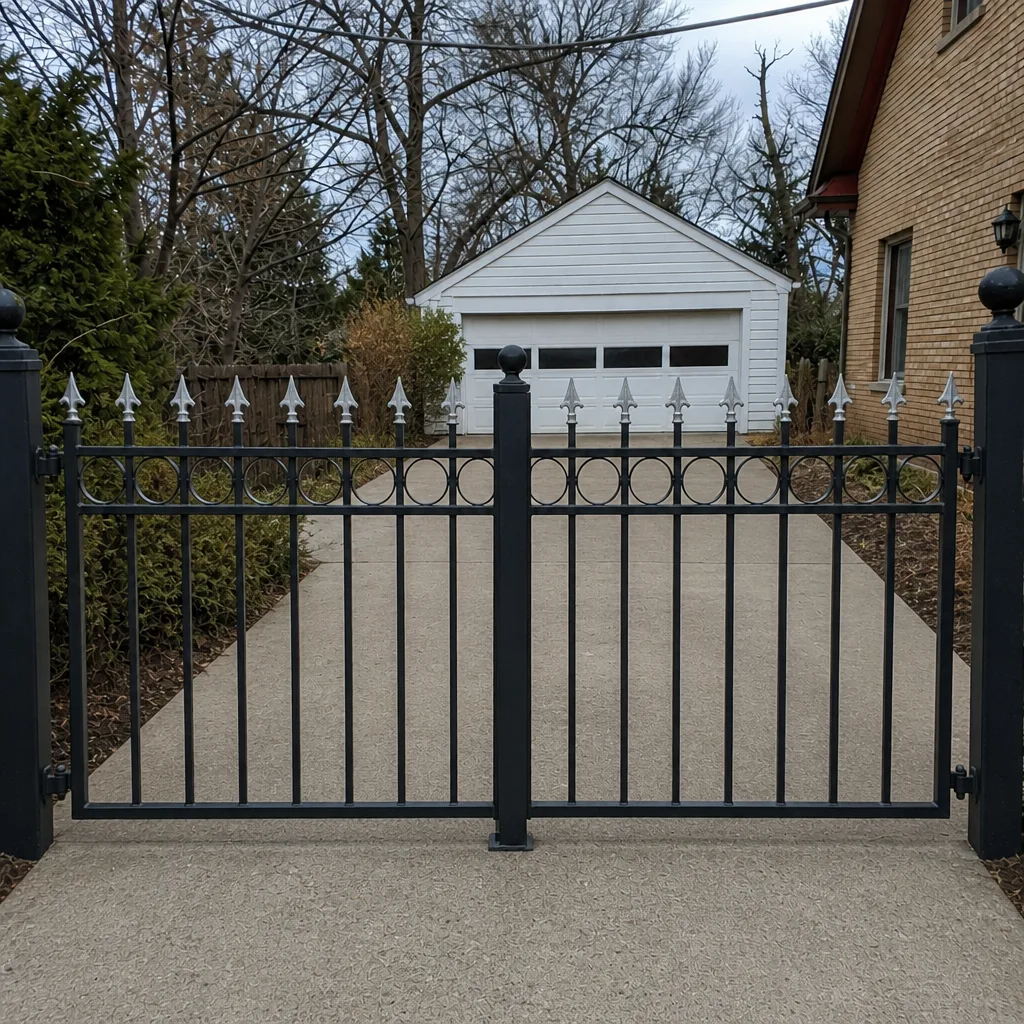 After
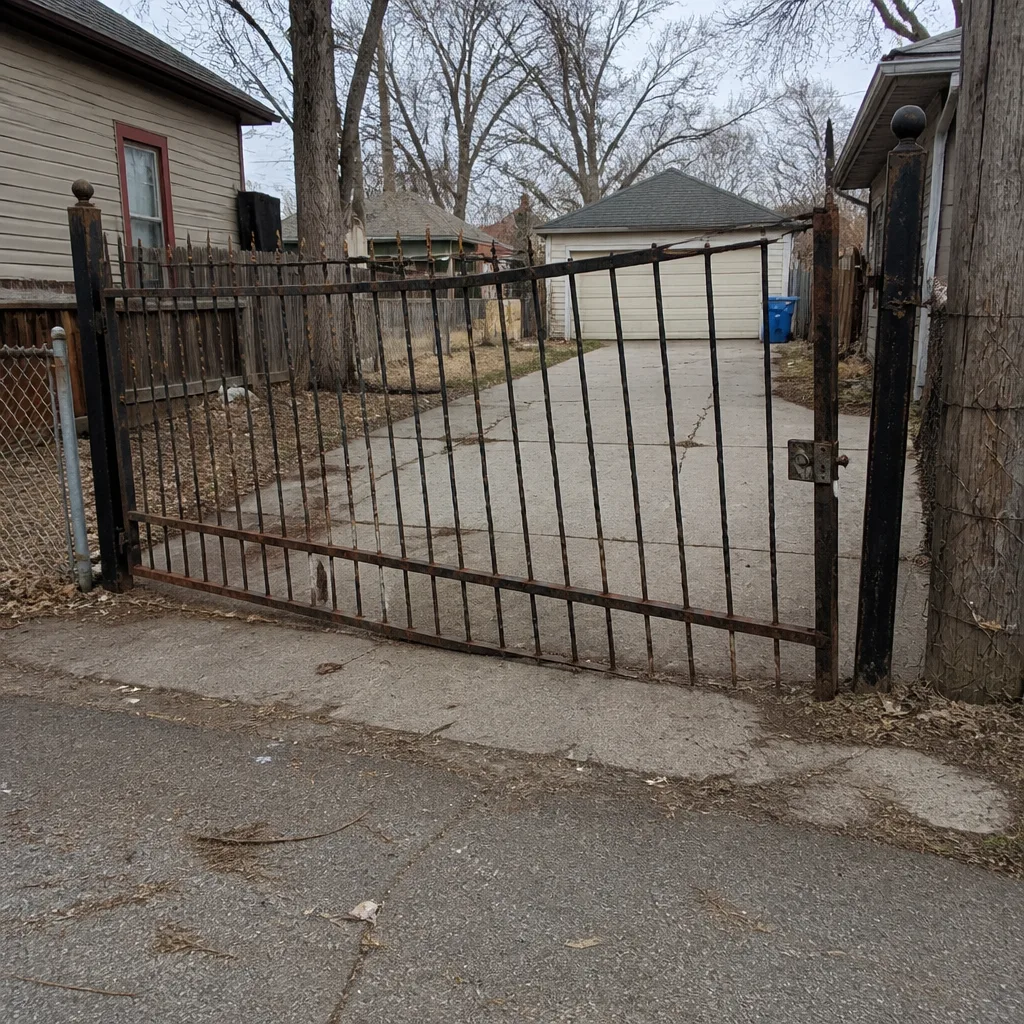 Before
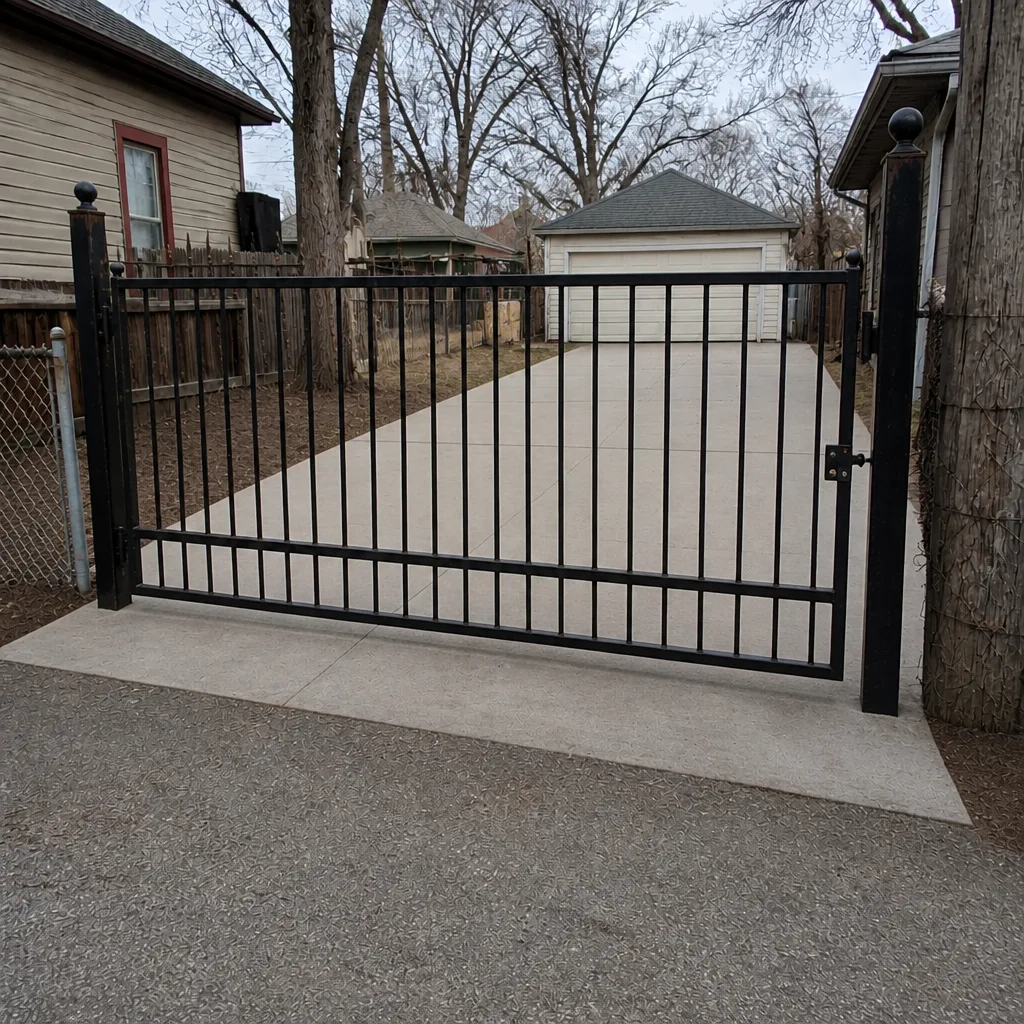 After