
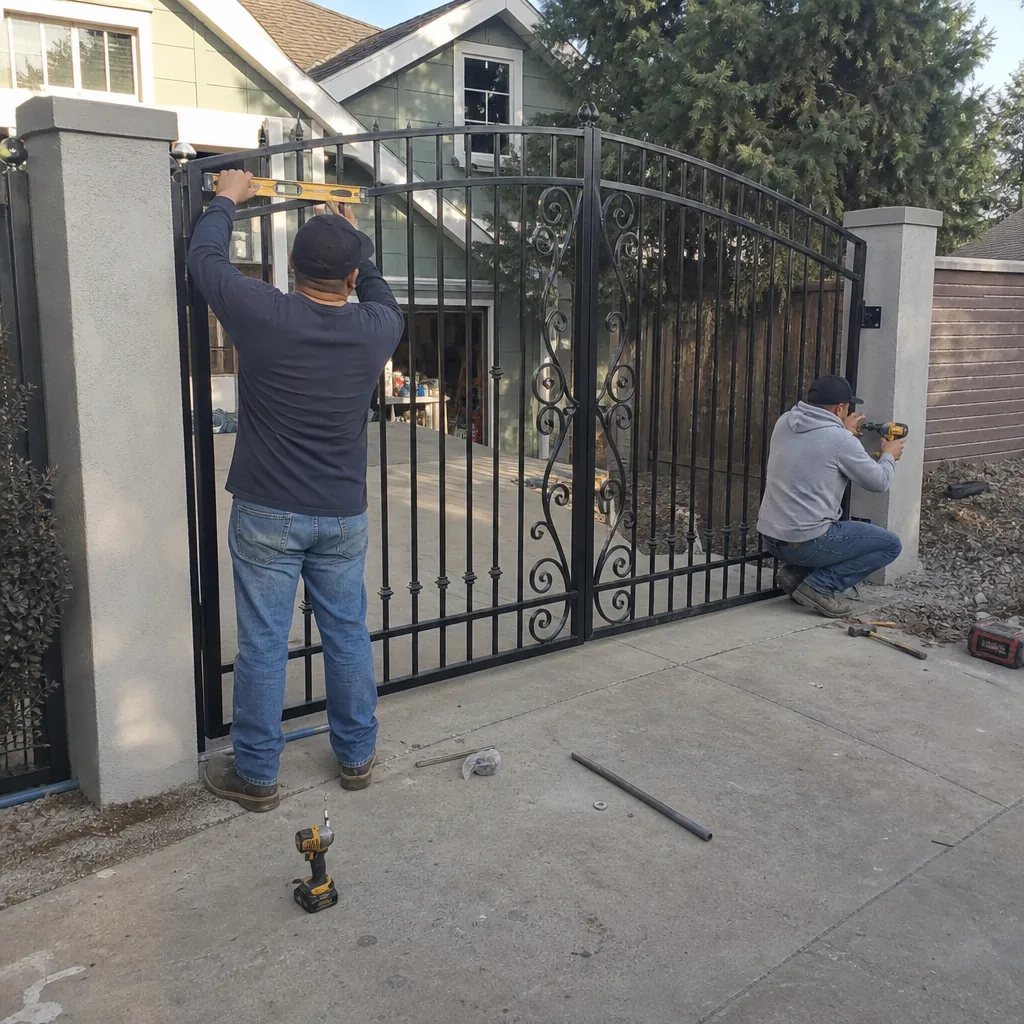
Last updated November 14, 2026
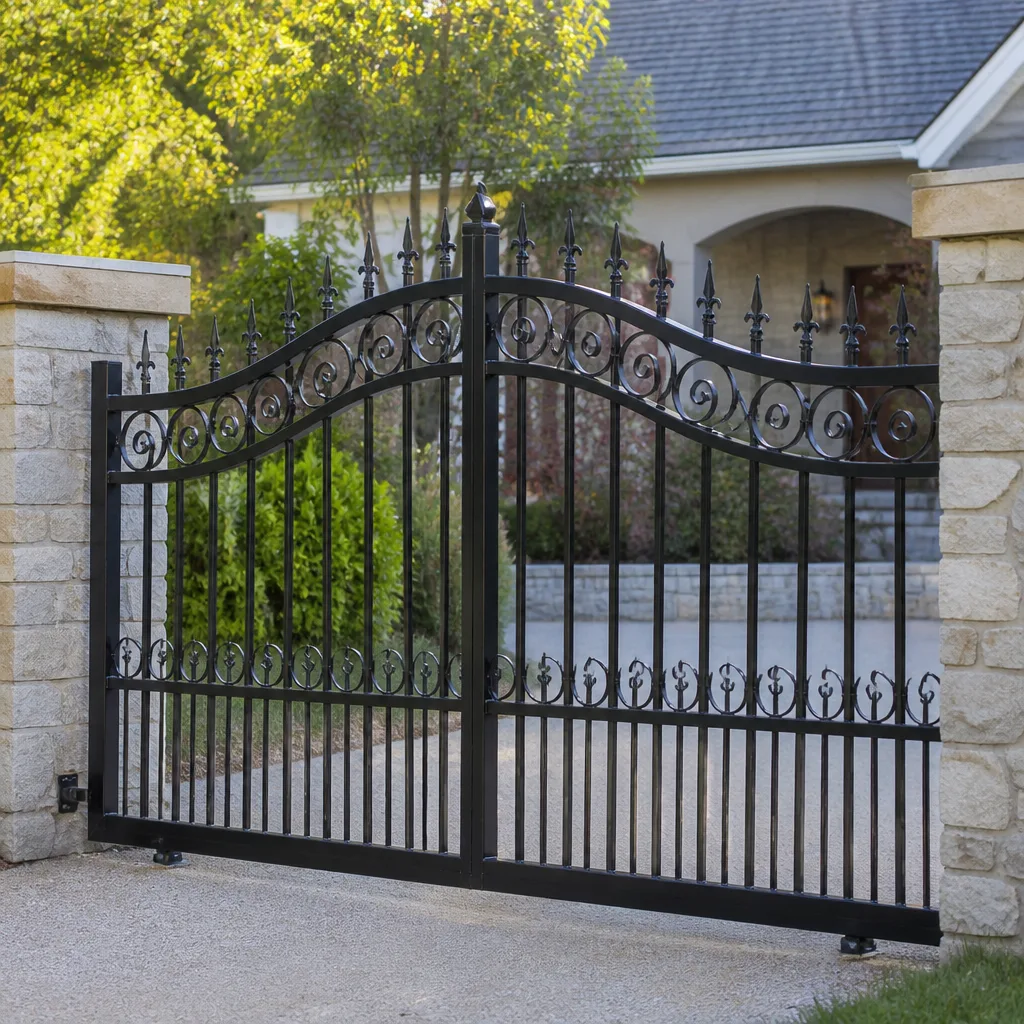 Wrought iron
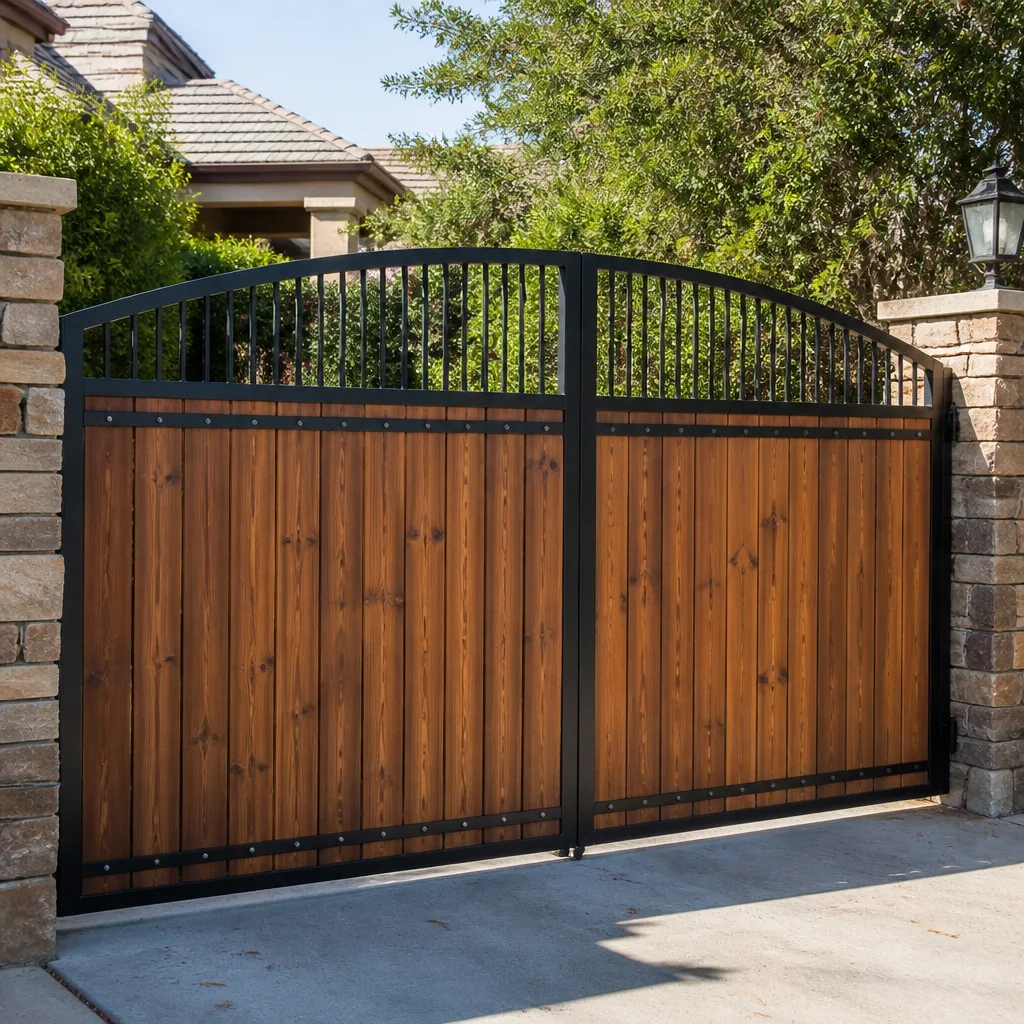 Wood & steel frame
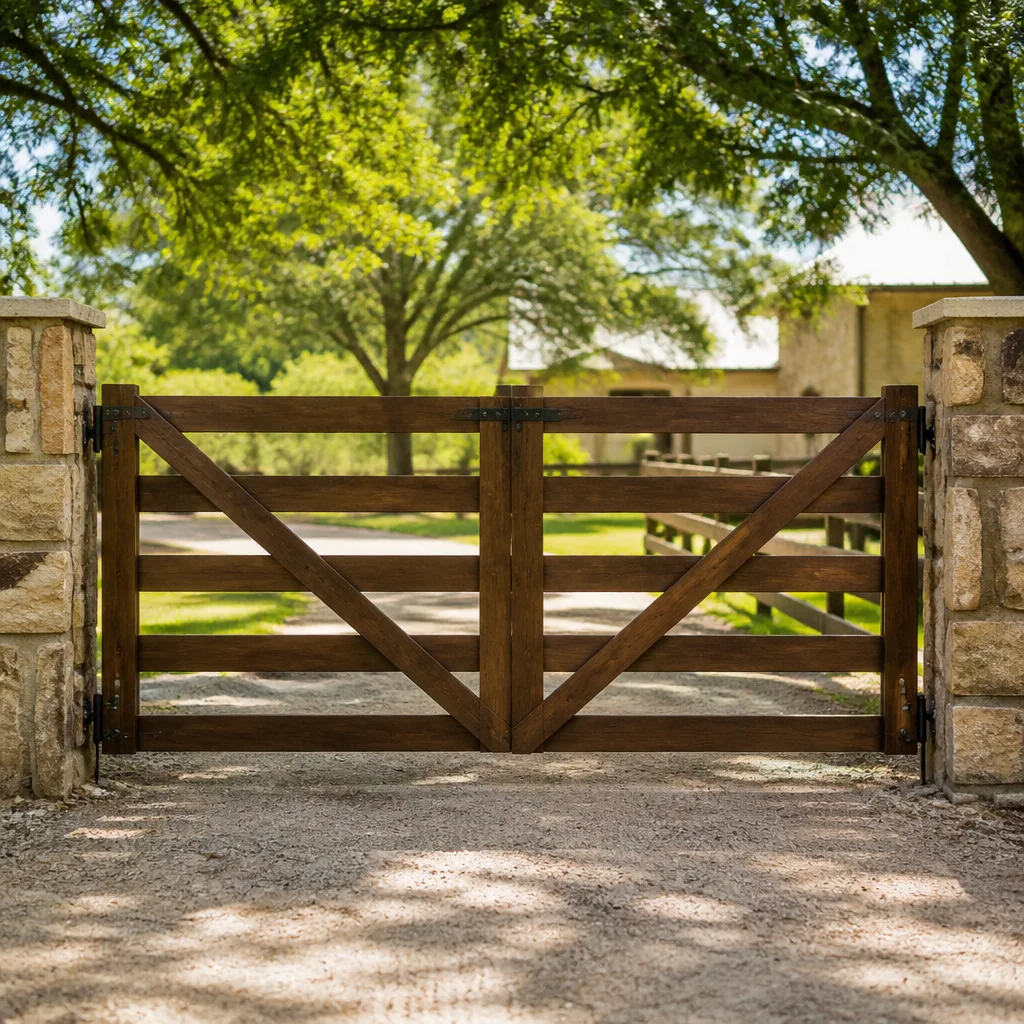 Farm & ranch
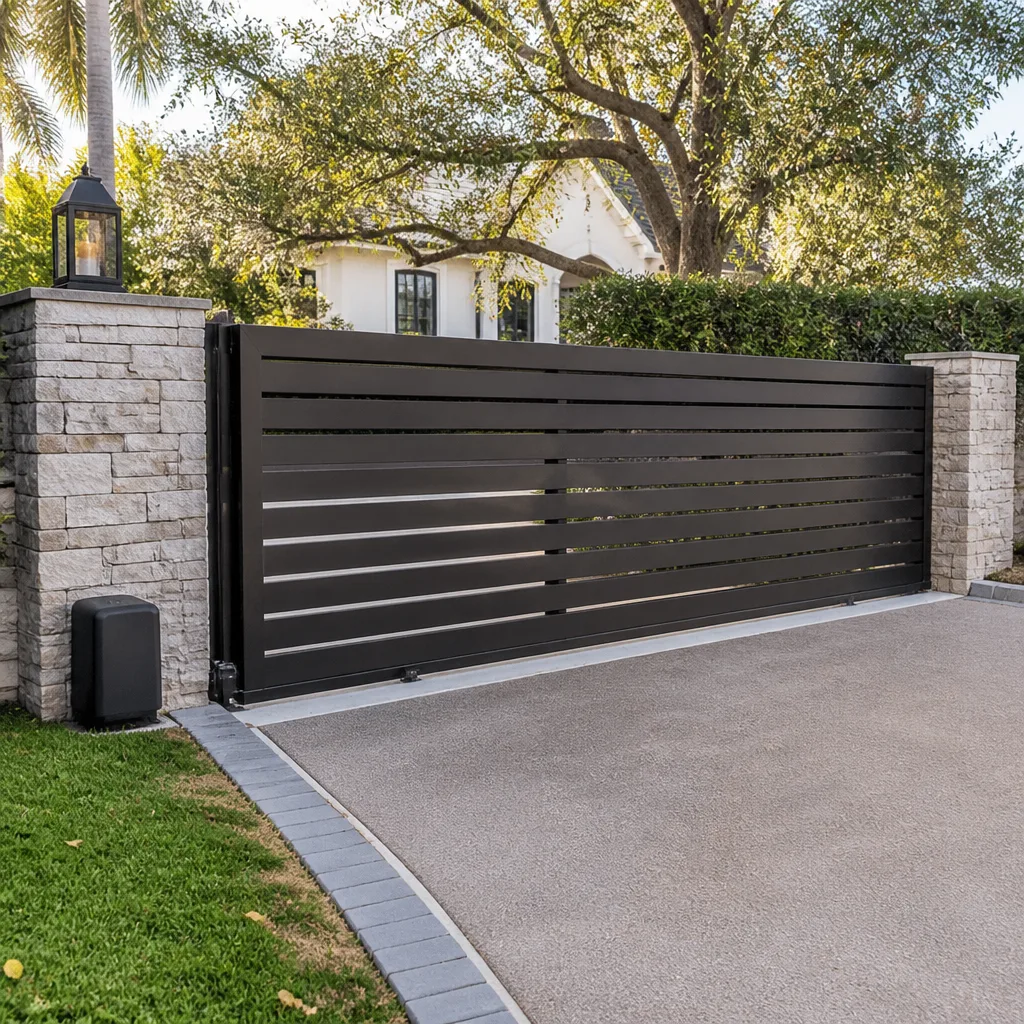 Sliding driveway gates
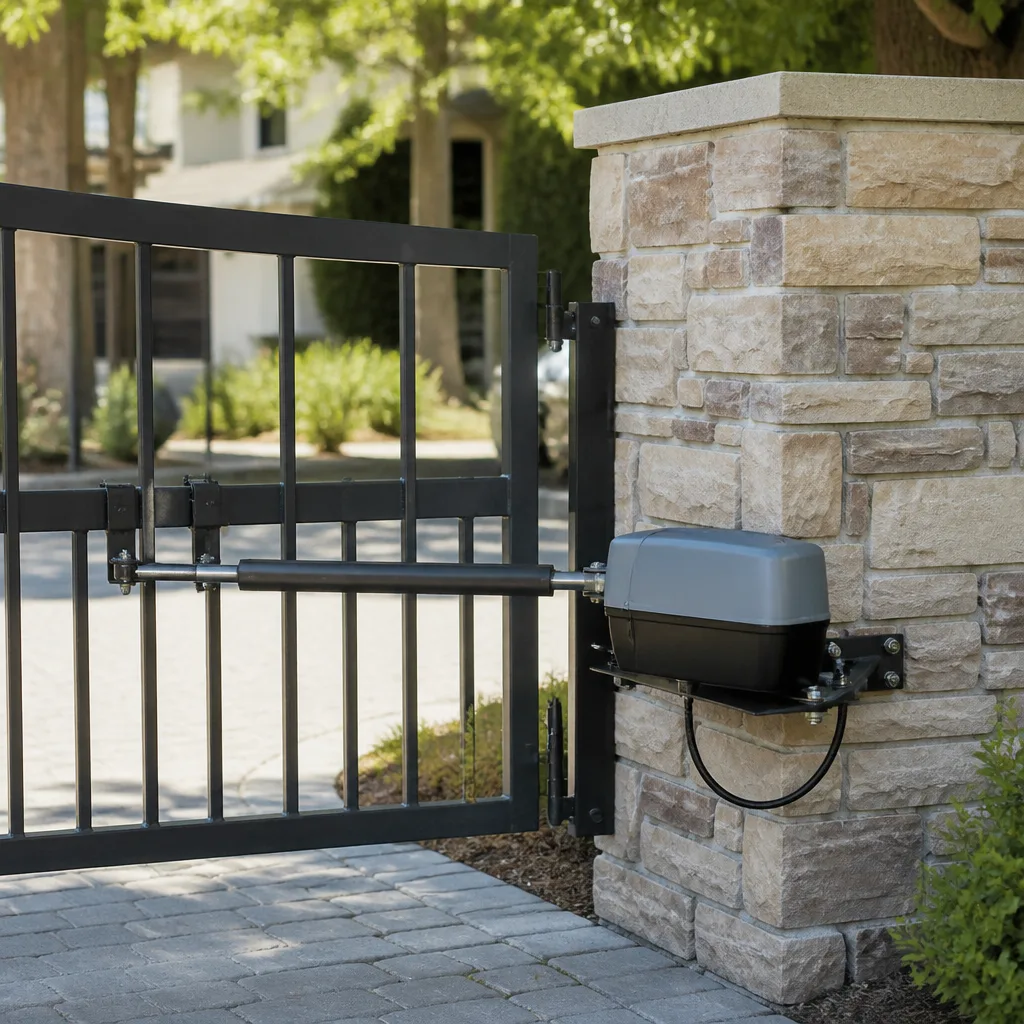 LiftMaster operators
Free on-site gate assessment - hinges, posts, and your LiftMaster or Nice gate operator checked before anything is quoted
The assessment is free and the quote is the invoice.
Get your free estimateGate Repair Permits, Codes & Inspections in Denver, CO: What You Need to Know
Most gate problems in Denver are mechanical, not legal. A hinge sags, an operator loses its programming, a slide gate jumps its track. But the moment the work touches wiring, a new operator, or the structure holding the gate up, a second question appears that few homeowners think to ask: does this need a permit? In our experience, the answer surprises people. Unpermitted gate work has a way of surfacing at the worst possible time, usually during a home inspection or an insurance review, when the cost of fixing it properly lands on you. This guide walks through Denver’s building code language, the difference between repair and alteration, how HOA review fits in, and what inspectors actually look for. It’s written for anyone in Denver who owns or manages a property with a gate and wants to do the work right the first time.
Quick Answer
In Denver, routine gate repair generally does not require a permit, but a new automated gate installation, a new electrical circuit or power run to an operator, and structural changes to posts or columns usually do. Electrical work falls under the Denver Electrical Code and typically needs a licensed electrician and a separate electrical permit through Denver’s building department. HOA architectural review is a separate approval layer and does not replace a city permit. If you’re unsure, call the city’s building department before work starts, and always ask for the scope in writing from whoever does the job.
Styles & brands we work with
- Wrought iron
- Wood & steel frame
- Farm & ranch
- Sliding driveway gates
- LiftMaster operators
Table of Contents
- What Counts as Repair vs. Alteration Under Denver’s Rules
- Which Denver Code Sections Apply to Automated Gates
- Electrical Connections, Power Runs, and the Permit You Might Miss
- When HOA Review and City Permits Both Apply
- What an Inspector Actually Checks on a Gate Installation
- How to Make Sure Your Gate Work Passes Inspection
- Handling Existing Unpermitted Gate Work
- Common Mistakes to Avoid
What Counts as Repair vs. Alteration Under Denver’s Rules
The permit question almost always comes down to one word: alteration. In Denver, as in most jurisdictions, a repair restores something to how it was. An alteration changes it. That distinction is the line most homeowners cross without realizing it.
Here’s how the practical breakdown usually goes. A gate operator that stops responding, a bent hinge, a wheel that’s worn flat, a chain that’s jumped its sprocket: these are repairs. They restore function to what was already there. No permit, in most cases. A new operator where none existed before, a fresh power run to a location that never had electricity, new posts set in concrete, or a gate that goes from manual to automatic: these are alterations. Different category, different rules.
The tricky zone is replacement. Swapping a failed LiftMaster operator for a new one of the same type, in the same location, on the same circuit, is usually treated as repair or like-for-like replacement. But upgrade the operator to a different type, add a new circuit, or change the gate’s size or swing, and you’ve likely moved into alteration territory. The Denver building department can confirm where your specific job lands, and it’s worth the call before the work starts.
One more wrinkle worth knowing: a gate is a structure. Posts, columns, and footings all fall under structural review when they’re new or substantially changed. A post that’s simply re-set in proper footing depth after a failure is typically repair. A new column foundation for a gate that never had one is not. If you want a straightforward read on where your project sits, gate repair work that only restores existing function is the safest category, and it’s where most jobs belong.
Which Denver Code Sections Apply to Automated Gates
Denver’s building and fire codes govern gates under a handful of categories, not one tidy chapter. Knowing the categories helps you ask the right questions at the permit counter.
- Structural provisions cover posts, columns, and foundations. New or substantially changed gate supports are reviewed like any other structure on the property.
- Electrical provisions govern the circuit feeding the operator, the disconnect, and grounding. This is the layer most often missed.
- Fire and life-safety provisions apply to gates that serve as part of a property’s access control, particularly where they’re on an emergency or fire-department access route, and to any gate that could trap a vehicle or impede egress.
- Zoning and site-plan rules can apply to height, setback, and location, especially for front-yard or corner-lot gates.
Automated gate operators themselves also carry manufacturer requirements: entrapment protection, safety edges, and loop or photo-eye detection. Those are installation requirements, not city code, but inspectors and insurers both care about them. We’ve seen gates fail review not because the structure was wrong but because the safety devices were missing or wired incorrectly.
In our experience, the single most common code gap on Denver gate installs is the electrical side. Homeowners assume the operator is “plugged in” and therefore fine. It isn’t. If the circuit wasn’t permitted, the install has an unresolved question attached to it, and that question tends to appear on the disclosure form when you sell. For the electrical portion specifically, electric gate repair is where a specialist’s diagnostic eye matters most, because the wiring and the operator have to be evaluated together.
Electrical Connections, Power Runs, and the Permit You Might Miss
This is the section that catches people. An automated gate needs power, and power is regulated separately from the gate itself. In Denver, an electrical permit is typically required for a new circuit, a new outlet or disconnect, a new power run to a gate operator location, and any change to the existing wiring method. A licensed electrician usually does this work and pulls the permit. It is not the same permit as a building permit, and having one doesn’t mean you have the other.
Why it matters: electrical work performed without a permit is exactly the kind of thing a home inspector flags, and exactly the kind of thing an insurer will question after a claim. It also creates a real safety exposure. Gate operators run on line voltage, and the disconnect, grounding, and low-voltage control wiring all have to be right. That’s not a place for guesswork.
Here’s how the sequence typically goes on a new automated gate:
- Confirm the operator location and the power source with the electrician before anything is ordered.
- The electrician pulls the electrical permit and installs the circuit, disconnect, and grounding.
- The gate installer mounts and programs the operator and connects the low-voltage controls and safety devices.
- Electrical inspection happens, then the structural or building inspection if one applies.
- The gate is tested through its full cycle, including safety-edge and photo-eye response.
If you’re working with an existing system and the wiring is already in place, the electrical permit question mostly goes away. That’s a repair scenario. If you’re adding a new operator where the power doesn’t exist yet, plan for both permits and both inspections. It’s not a hidden cost; it’s a sequencing issue, and getting it wrong is what causes trouble later.
When HOA Review and City Permits Both Apply
Denver has a lot of properties with HOA architectural review, and gate projects often fall under it. Here’s the part that trips people up: HOA approval and city permits are two separate authorities, and one does not satisfy the other. A project can have full HOA sign-off and still need a city permit. A project can pass city inspection and still violate the HOA’s architectural rules.
When they conflict, the stricter requirement generally governs. If your HOA approves a gate style but the city’s zoning rules on height or setback don’t allow it in that location, the city wins on the code question. If the city allows a design the HOA prohibits, you still can’t build it without HOA approval. Both boxes get checked.
Practically, the order that works best is HOA first, city second. Architectural review often takes longer than the permit process, and there’s no point pulling a permit for a design the HOA will reject. Get the HOA approval in writing, then bring those approved plans to the permit application. A gate installer who’s done this in Denver knows to ask for the HOA documents early, before the operator is ordered, because a design change mid-project is expensive.
One more note for landlords and property managers: if your property has multiple units and a shared gate, the HOA and the city may both want documentation, and the responsible party needs to be clear before work starts. We’ve seen shared-gate projects stall because nobody had confirmed who was authorized to sign the permit application.
What an Inspector Actually Checks on a Gate Installation
Gate inspections aren’t mysterious once you know the checklist. The inspector is verifying that the structure is sound, the electrical is safe, and the safety devices work. Here’s what that usually looks like:
- Post and foundation depth. Posts have to be set to proper footing depth, and the inspector may check the excavation before concrete goes in.
- Structural attachment. Hinges, brackets, and operator mounts have to be properly anchored to the structure, not just bolted to whatever was there.
- Electrical disconnect and grounding. The operator needs a disconnect within sight and a proper ground. This is the item that fails most often.
- Safety devices. Photo-eyes, safety edges, and loop detectors have to be present, correctly wired, and functional. The inspector tests them, not just looks at them.
- Operator control location. Controls have to be positioned so the operator can see the gate through its cycle.
- Clearance and entrapment zones. The gate has to have room to move without pinching, and any gap that could trap a person or vehicle has to be addressed.
In our experience, most failed inspections on gate work come down to electrical details and safety device function, not the gate itself. The gate swings fine; the photo-eye isn’t wired to the operator’s safety input. That’s a five-minute fix at the bench and a full re-inspection fee on site.
How to Make Sure Your Gate Work Passes Inspection
Passing inspection is mostly about preparation, and the preparation starts before anyone touches the gate. Here’s the sequence that gets it right the first time.
- Confirm the scope in writing. Have the installer spell out whether the job is repair or alteration, and which permits will be pulled. If they can’t tell you, that’s your answer about whether to hire them.
- Get the electrical permit pulled by a licensed electrician. Don’t let the gate installer wire a new circuit unless they’re licensed for it. In Denver, that’s a separate trade.
- Have the approved plans on site. The inspector will want to see what was approved. Homeowners sometimes don’t have a copy; the installer should.
- Test every safety device before the inspector arrives. Photo-eyes, safety edges, and any loop detector should be verified working through a full gate cycle.
- Document the installation. Photos of the footing, the electrical connection, and the finished install help if there’s any question later, and they’re useful for resale disclosure.
- Schedule the inspections in order. Electrical inspection typically comes before the final building or structural inspection. Don’t invite the inspector to a site where the electrical isn’t signed off.
The broader point: a gate is a mechanical system bolted to a structure and wired to a power source. Every one of those three has its own review. When you work with a gate-only specialist who handles the mechanical and operator side, and coordinates with your electrician on the electrical side, the inspection becomes a formality rather than a risk. That’s the difference between a project that closes cleanly and one that dogs you for years. If you’re planning a repair or install in Denver, start with a clear scope and a written estimate before anything is ordered.
Handling Existing Unpermitted Gate Work
If you’ve bought a property with a gate that was installed without a permit, or you’re facing disclosure on a sale, you’re not stuck. Denver has a process for retroactive permits, and it’s more common than people think. The path is straightforward, though it takes some patience.
First, establish what was actually done. The city will want to know the scope of the original work: structural, electrical, or both. An inspection can clarify what’s in place and what’s missing. Second, apply for the appropriate permits as if the work were new, with plans that reflect what’s there. Third, correct any deficiencies the inspection reveals. Fourth, complete the inspections. The result is a legal, documented install, which is what buyers and insurers want to see.
The practical risk assessment: an unpermitted gate isn’t automatically a safety problem, but it is an unresolved question attached to your property. The cost of resolving it is usually far lower than the cost of a sale falling through or an insurer declining a claim. If a gate was installed by a previous owner and you have no documentation, don’t ignore it. Get it looked at, get a scope of work, and decide. In our experience, the gates that cause the most trouble are the ones nobody examined.
The alternative, doing nothing, rarely works in your favor. Disclosure requirements mean the question comes up eventually, and a buyer’s inspector is looking for exactly this. The retroactive path is the cheaper one.
Common Mistakes to Avoid
- Assuming “no permit needed” applies to the whole job. The mechanical repair may be exempt while the new power run isn’t. Split the scope into its parts before you decide.
- Letting the gate installer do the electrical work. In Denver, a new circuit is electrician territory. A gate installer who’s licensed for gates isn’t necessarily licensed for electrical, and the permit won’t match the trade.
- Treating HOA approval as a substitute for a permit. They’re separate, and one never covers the other. Get both.
- Skipping the safety device test. Photo-eyes and safety edges are the first thing an inspector checks and the most common reason a gate install fails review. Test them before the inspector shows up.
- Ordering the operator before the design is settled. HOA review and permit review can change the spec. Ordering early locks you into a model that may not fit the approved plan.
- Not keeping documentation. Permits, inspection records, and photos of the install are worth keeping for resale disclosure and insurance. A gate isn’t a small enough item to skip records on.
- Hiring a generalist for a code-sensitive install. A company that services multiple product categories may not know Denver’s permit sequencing. A gate-only specialist does, and the difference shows up at the inspection.
See the difference
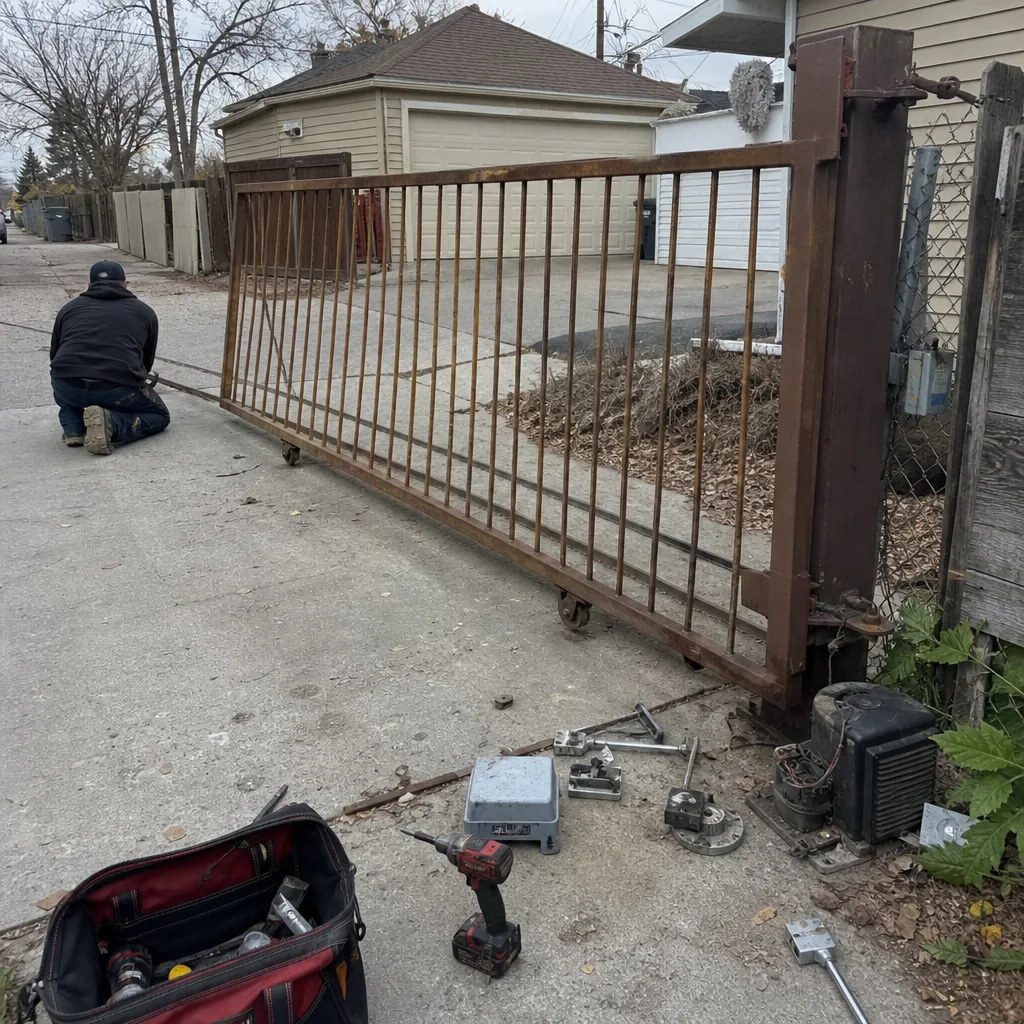 Before
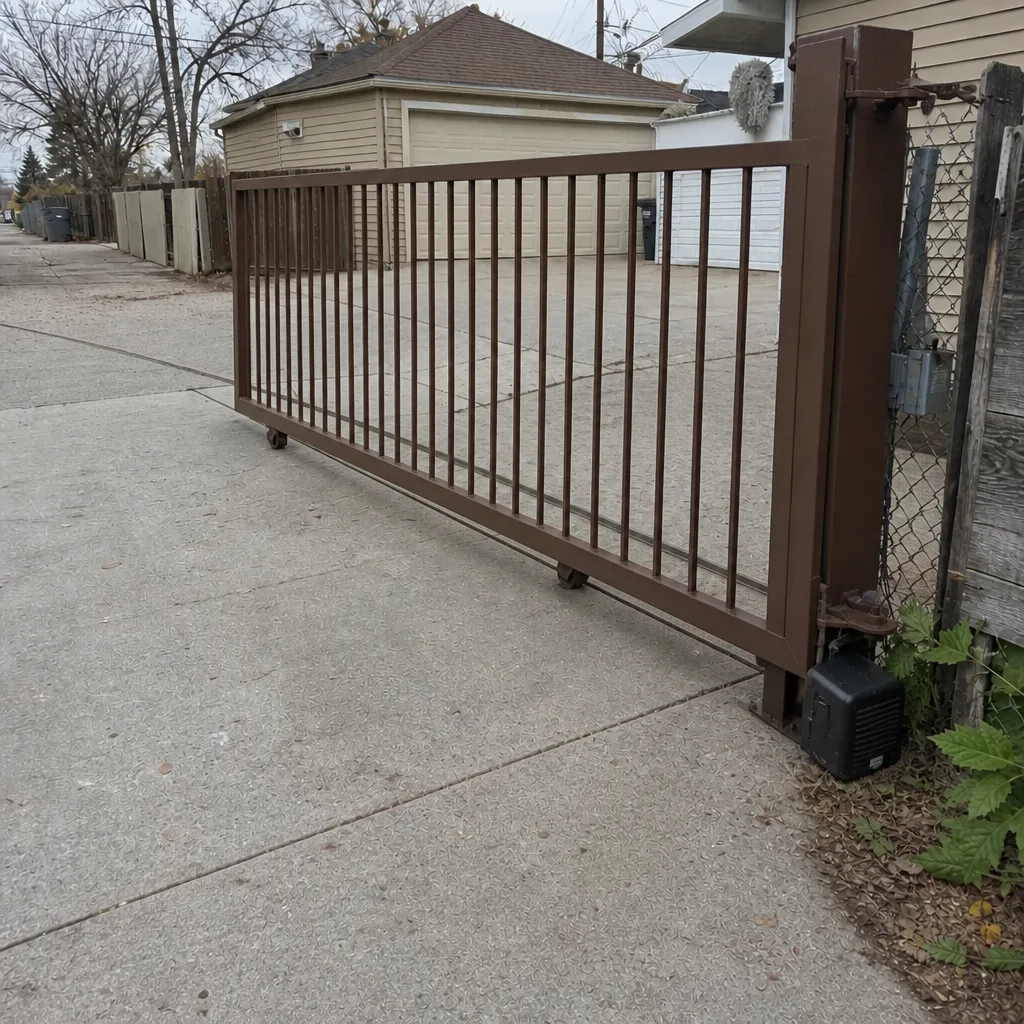 After
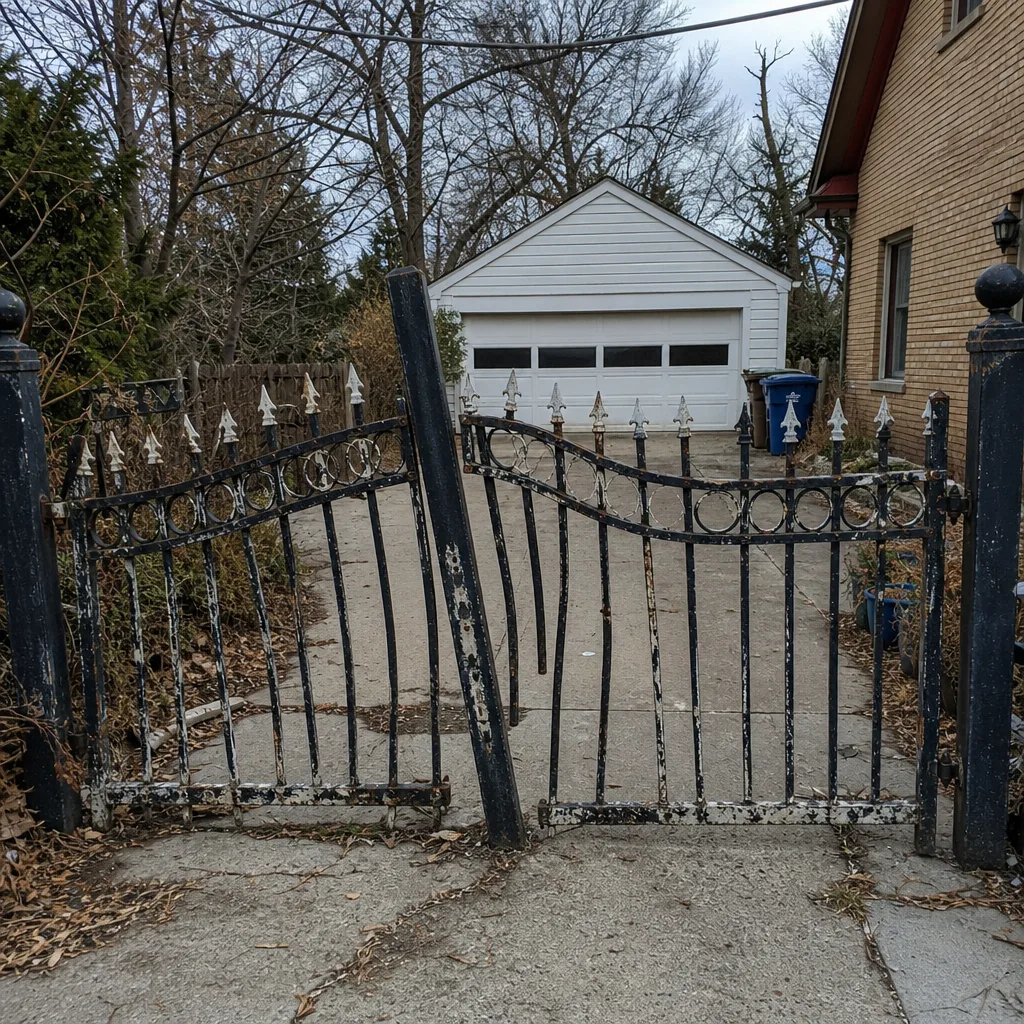 Before
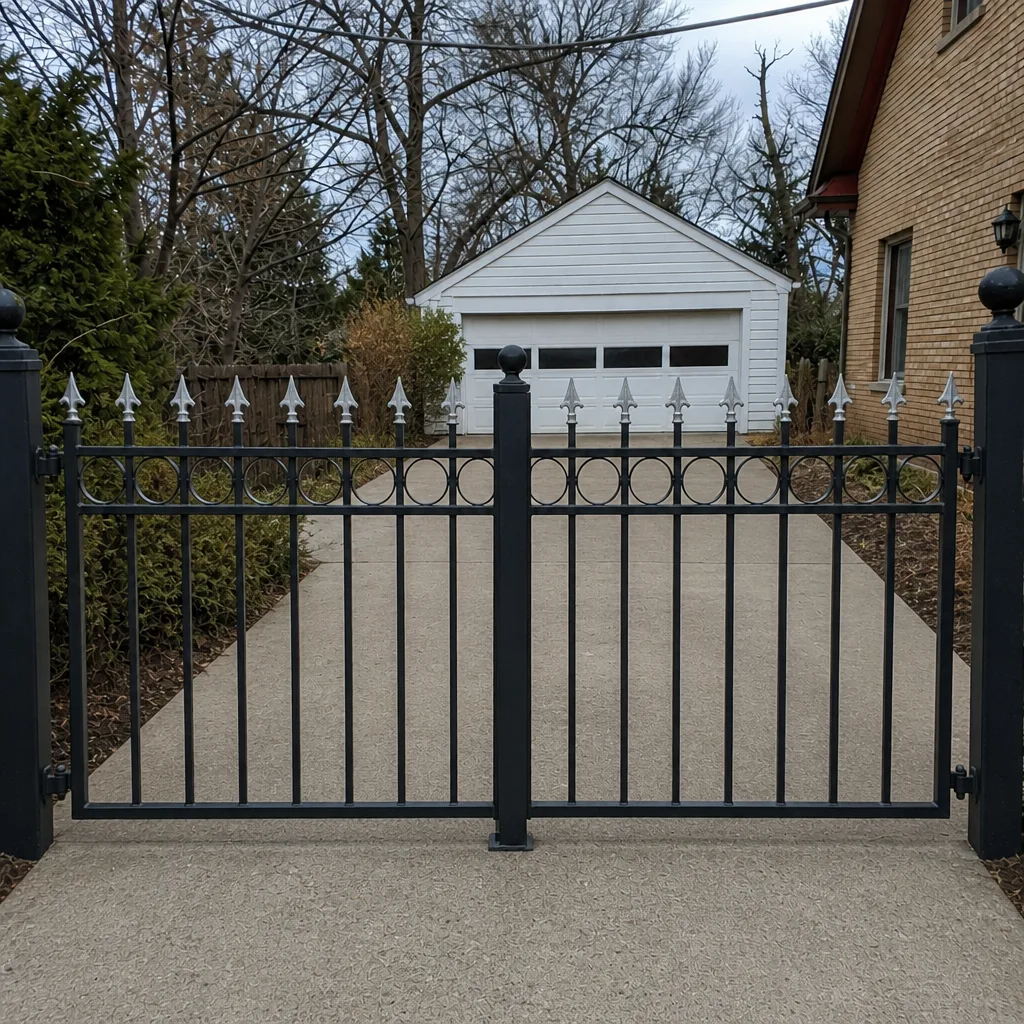 After
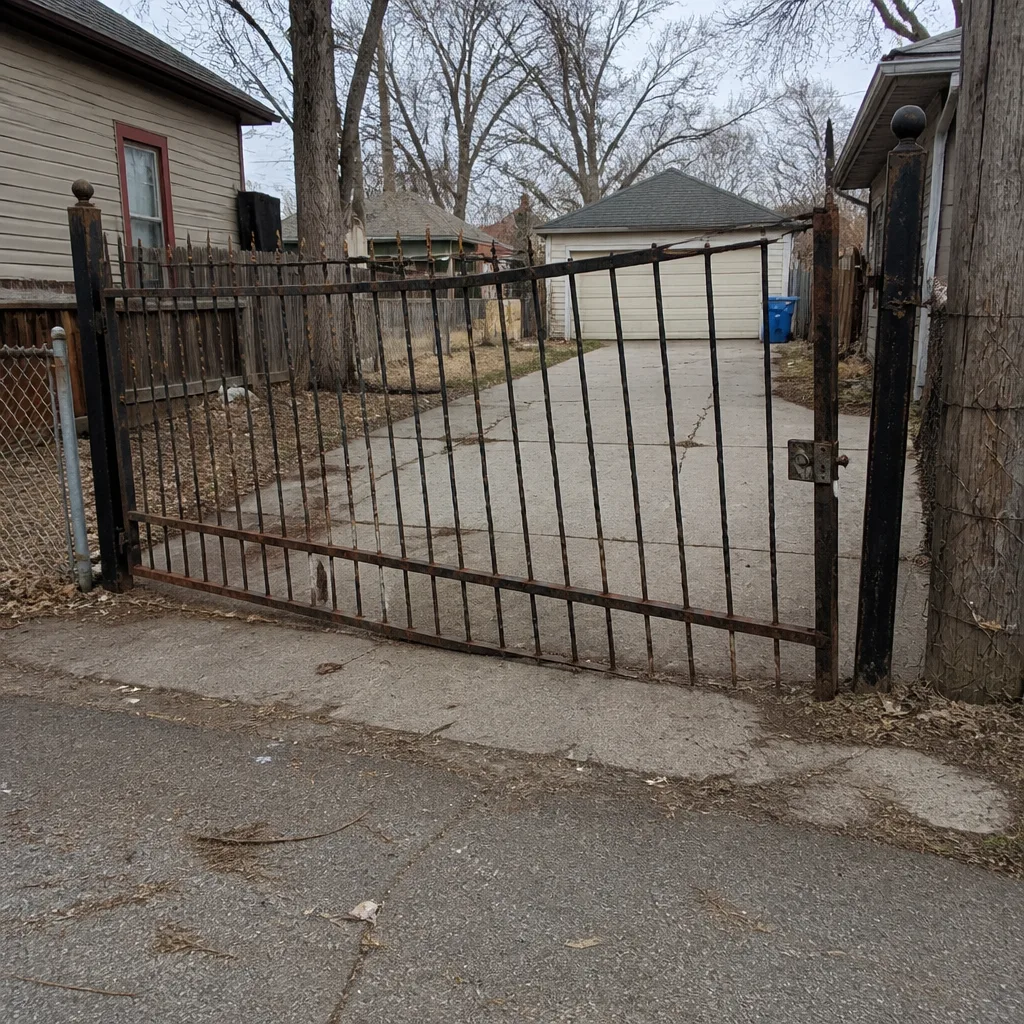 Before
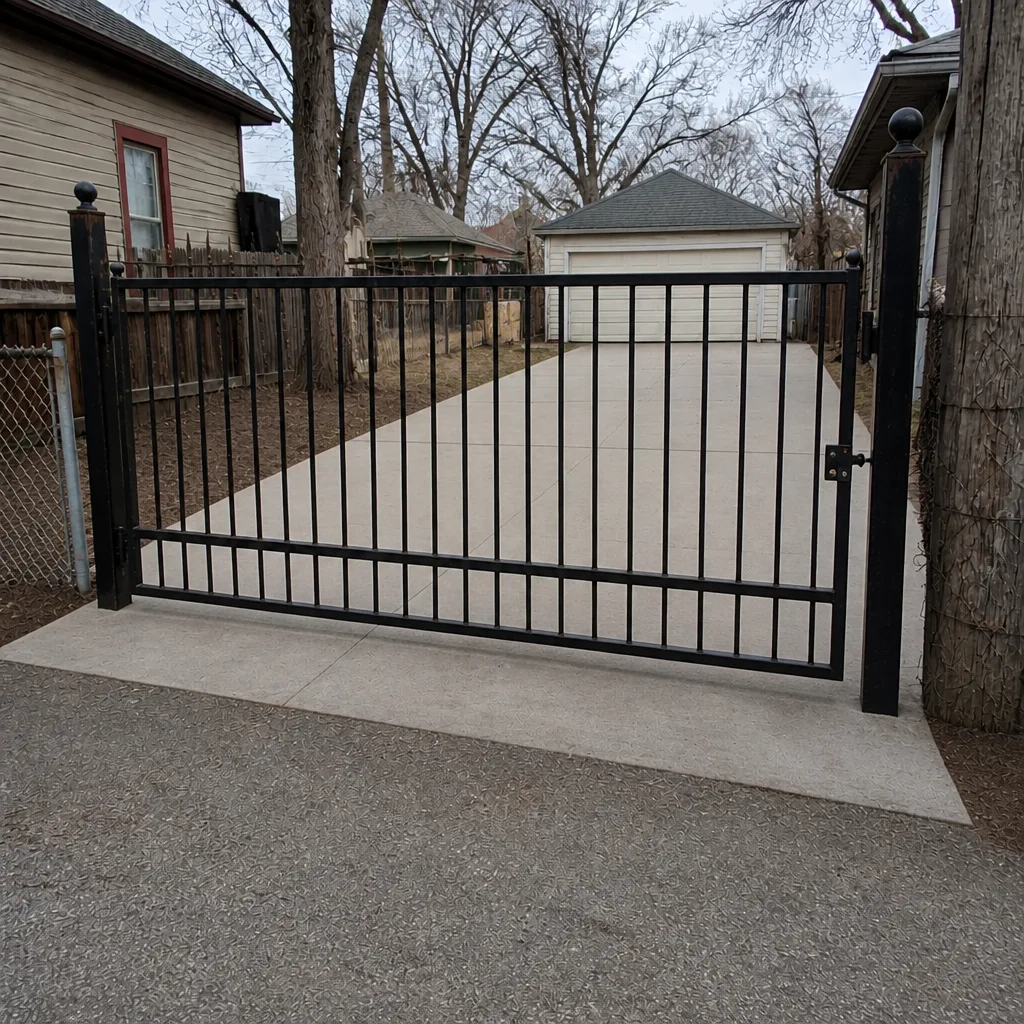 After
When to Call a Professional
Some gate work is genuinely DIY territory: a stuck latch, a gate that binds, a hinge that needs adjusting. Call a professional when the question involves electricity, structure, or code. That means a new operator install, a new power run, a post or column replacement, a gate that serves as an access control point, or any project where a permit may apply. It also means any gate that’s stopped responding entirely, because the diagnosis matters before the repair. We work with LiftMaster, FAAC, BFT, Mighty Mule, and other major brands, so we’re diagnosing the system you already own rather than guessing at it. Gate Repair Denver offers free estimates in Denver and can walk your scope before anything is ordered. Call (855) 677-8291. We answer 24/7. Fast dispatch from 7am to 7pm, Sunday through Friday.
Frequently Asked Questions
Most routine gate repair in Denver does not require a permit, because it restores existing function rather than changing it. Repairs to hinges, wheels, chains, latches, and existing operators are typically exempt. A new electrical circuit, a new operator where none existed, or structural changes to posts and columns usually do require permits. When in doubt, ask the Denver building department before work starts. Call (855) 677-8291 for a free estimate and a clear read on your scope.
A repair restores something to how it was; an alteration changes it. Replacing a failed operator with the same type in the same location is usually treated as repair. Upgrading to a different operator, adding power where there was none, or changing the gate’s size or swing is an alteration and generally needs a permit. The distinction matters most at sale and insurance review. Call (855) 677-8291 for an exact scope and a free estimate.
No. HOA architectural review and City and County of Denver permits are separate approvals, and one does not satisfy the other. HOA approval covers design and community rules; the city permit covers code and safety. When they conflict, the stricter requirement generally governs. Get HOA approval in writing first, then apply for the permit with those plans. Call (855) 677-8291 for a free estimate on the gate work itself.
You can resolve it through Denver’s retroactive permit process. The steps are to establish the original scope, apply for the appropriate permits with plans reflecting what’s there, correct any deficiencies an inspection reveals, and complete the inspections. The cost is typically far lower than a failed sale or a denied claim. Have the gate inspected before closing so you know what you’re dealing with. Call (855) 677-8291 for a free estimate on any corrections.
Usually yes. In Denver, a new circuit, new outlet or disconnect, or a new power run to a gate operator typically requires an electrical permit pulled by a licensed electrician, in addition to any building permit. The two permits are separate, and having one doesn’t mean you have the other. If the wiring already exists and is unchanged, the electrical permit question generally goes away. Call (855) 677-8291 for a free estimate and a clear read on your install.
They check post and foundation depth, structural attachment of hinges and operator mounts, the electrical disconnect and grounding, and the function of safety devices like photo-eyes and safety edges. They also verify control location and clearance through the gate’s cycle. Most failed inspections come down to electrical details and safety device wiring, not the gate itself. Test every safety device before the inspector arrives. Call (855) 677-8291 for a free estimate and an install that’s inspection-ready.
The Bottom Line
Permits on gate work in Denver come down to three questions: does the job change the structure, does it add or change electrical, and does it change the gate’s function. If all three answers are no, you’re likely in repair territory and don’t need a permit. If any answer is yes, plan for permits, inspections, and possibly HOA approval as well, and get those sequenced before the operator is ordered. The electrical piece is the one most homeowners miss, and it’s the one most likely to surface at sale. HOA approval and city permits are separate; get both. If you’ve inherited unpermitted work, the retroactive path is the cheap one. And if you’re not sure where your job sits, ask before you build. Gate Repair Denver has worked on gates in Denver since 2015, and we’re happy to give you a straight read on your scope. For a free estimate in Denver, call (855) 677-8291. We answer 24/7. Fast dispatch from 7am to 7pm, Sunday through Friday.
Written by the team at Gate Repair Denver, serving Denver since 2015.